


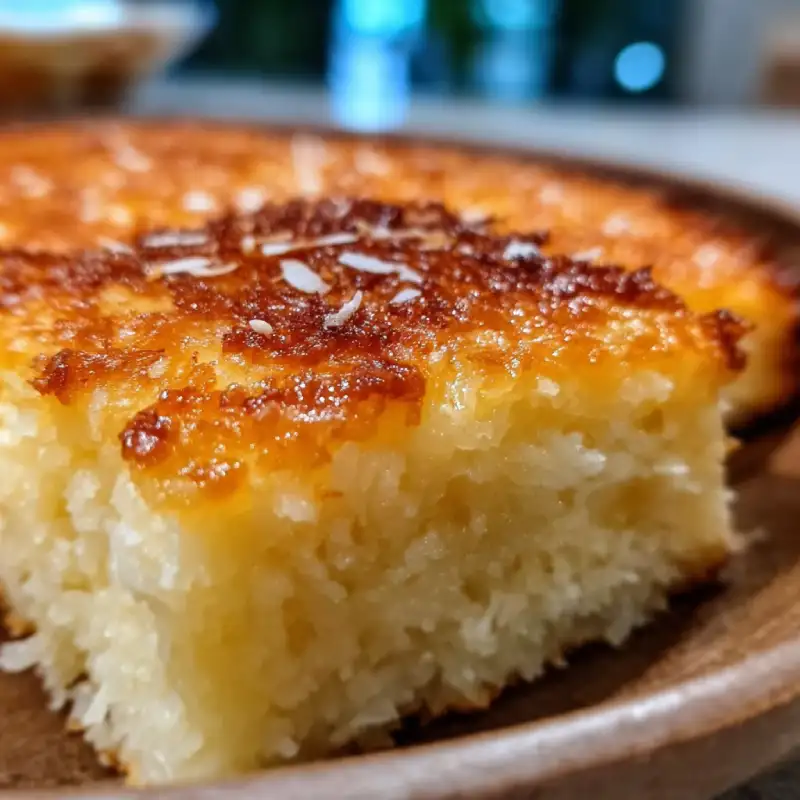
Bibingka: 5 Best Filipino Coconut Cake Recipes!
Table of Contents
- Introduction to Bibingka: The Beloved Filipino Coconut Cake
- Why These 5 Bibingka Recipes Are a Must-Try
- Traditional Bibingka Galapong Recipe
- Variations of Bibingka: From Cassava to Ube
- Tips for the Perfect Filipino Coconut Cake
- Serving Suggestions & Occasions
Welcome to our guide on crafting the perfect Bibingka: 5 Best Filipino Coconut Cake Recipes! This beloved Filipino delicacy, a rich and moist rice cake, is often enjoyed during special occasions, especially Christmas. Its unique texture and sweet, savory flavor profile make it an unforgettable treat.
Ready to bring the taste of the Philippines into your kitchen? We’ll explore various preparations of this iconic Read our in-depth guide here. dessert, from traditional methods to modern twists.
Introduction to Bibingka: The Beloved Filipino Coconut Cake
Bibingka is more than just a cake; it’s a culinary tradition deeply woven into Filipino culture. Traditionally cooked in clay pots lined with banana leaves over coals, its aroma signals festivities and togetherness.
This rice cake is characterized by its slightly charred exterior, fluffy interior, and distinct coconut flavor. It’s truly a taste of home for many. You can learn more about Filipino cuisine at Food Network’s Filipino recipes.
Why These 5 Bibingka Recipes Are a Must-Try
We’ve curated a selection of fantastic Bibingka recipes that cater to different tastes and skill levels. Whether you’re a seasoned baker or a kitchen novice, you’ll find a recipe to love.
From the classic to innovative variations, these recipes celebrate the versatility of this incredible Filipino dessert. Get ready to impress your friends and family!
Traditional Bibingka Galapong Recipe
This is the classic version of the Filipino coconut cake, often made with freshly ground soaked rice (galapong). It boasts a wonderfully chewy yet soft texture, perfect for any occasion.
Ingredients for Classic Bibingka Galapong
- 2 cups glutinous rice flour (or pre-soaked, ground long-grain rice)
- 1 cup regular rice flour
- 1 can (13.5 oz) full-fat coconut milk
- 1/2 cup granulated sugar
- 1/4 cup melted butter, plus extra for brushing
- 2 large eggs, beaten
- 1 tsp baking powder
- Pinch of salt
- Banana leaves, for lining (optional, but recommended)
- Toppings: Sliced salted eggs, shredded coconut, cheese
Step-by-Step Instructions for Baking
- Preheat your oven to 375°F (190°C). If using banana leaves, gently warm them over a flame or in the microwave to make them pliable. Line a round baking pan with the banana leaves, brushing with butter.
- In a large bowl, whisk together the glutinous rice flour, regular rice flour, sugar, baking powder, and salt.
- In a separate bowl, combine the coconut milk, melted butter, and beaten eggs.
- Gradually add the wet ingredients to the dry ingredients, mixing until a smooth batter forms. Do not overmix.
- Pour the batter into the prepared baking pan. Arrange sliced salted eggs and cheese on top if desired.
- Bake for 30-40 minutes, or until a wooden skewer inserted into the center comes out clean and the top is golden brown. You can broil for the last few minutes for a slightly charred top.
- Remove from oven, brush with more melted butter, and sprinkle with shredded coconut and additional cheese. Serve warm.
Variations of Bibingka: From Cassava to Ube
Beyond the traditional rice flour, Bibingka can be made with other starches and flavored in exciting ways. These variations offer unique textures and tastes.
Bibingka Cassava: A Chewy Delight
Cassava Bibingka uses grated cassava root, resulting in a denser, chewier texture that’s incredibly satisfying. It’s often topped with a luscious coconut cream sauce.
Ube Bibingka: A Purple Twist
Infused with ube (purple yam) extract, this version sports a vibrant purple hue and a distinct, earthy sweetness. It’s as delightful to look at as it is to eat!
Bibingka Royal: With Cheese and Salted Eggs
This decadent version elevates the classic with extra cheese and a generous topping of salted duck eggs. The salty-sweet combination is truly royal.
Quick & Easy Bibingka Mix Version
For those short on time, a pre-packaged Bibingka mix offers a convenient shortcut. Just follow the package instructions and add your favorite toppings for a quick treat.
Tips for the Perfect Filipino Coconut Cake
- Use good quality coconut milk: This is key for authentic flavor.
- Don’t overmix the batter: This can lead to a tough cake.
- Warm banana leaves: If using, warming them makes them pliable and prevents tearing.
- Bake at the right temperature: Ensures even cooking and a lovely brown crust.
- Serve warm: Bibingka is best enjoyed fresh and warm.
Serving Suggestions & Occasions
Bibingka is traditionally served during the Christmas season, especially after Simbang Gabi (dawn masses). Enjoy it with a hot cup of coffee or ginger tea.
It’s also a wonderful treat for birthdays, fiestas, or simply as a comforting snack. Garnish with grated coconut, more melted butter, and a sprinkle of sugar.
frequently asked question
What is Bibingka?
Bibingka is a traditional Filipino baked rice cake, often made with glutinous rice flour, coconut milk, and sugar. It’s a popular dessert, especially during Christmas season.
Can I make Bibingka without a special oven?
Yes, you can make Bibingka in a standard oven. While traditionally cooked in clay pots over coals, a regular oven with careful temperature control can yield excellent results, sometimes even with a broiler to replicate the charred top.
What toppings are best for Bibingka?
Common and delicious toppings include sliced salted eggs, grated cheese (like kesong puti or cheddar), shredded coconut, and a brush of melted butter. Some also add a sprinkle of sugar for extra sweetness.