


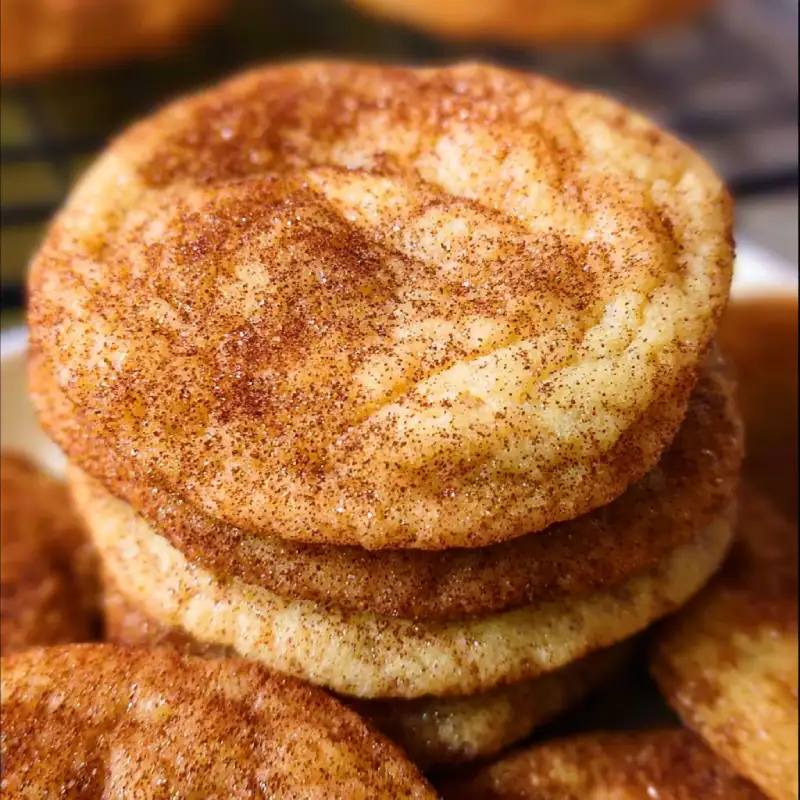
Chewy Snickerdoodle Cookies: 5-Step Perfect Recipe
Table of Contents
- 1. Introduction: The Allure of Perfect Snickerdoodles
- 2. Why This Chewy Snickerdoodle Cookies: 5-Step Perfect Recipe Works
- 3. What You’ll Need: Chewy Snickerdoodle Cookies Ingredients
- 4. How to Make Chewy Snickerdoodle Cookies: A 5-Step Guide
- 5. Pro Tips for the Best Chewy Snickerdoodle Cookies
- 6. Snickerdoodle Cookie Variations and Add-ins
- 7. Serving Your Delicious Snickerdoodles
Oh, the humble snickerdoodle! There’s something truly magical about a cookie that’s both wonderfully chewy and delicately crisp, with that signature tang from cream of tartar. Today, we’re diving into the delightful world of baking to create the ultimate Chewy Snickerdoodle Cookies. Get ready for a simple, yet utterly satisfying, baking adventure that will fill your home with the warm aroma of cinnamon and sugar.
These aren’t just any cookies; they are the kind that disappear from the plate in minutes, prompting pleas for “just one more!” I promise you, this recipe for snickerdoodle cookies is about to become your new go-to for a perfect, easy dessert.
1. Introduction: The Allure of Perfect Snickerdoodles
There’s an irresistible charm to a classic snickerdoodle. It’s not just a cookie; it’s a taste of nostalgia, a comforting bite that takes you back to childhood kitchens. The delightful combination of soft, chewy centers and slightly crisp edges, all rolled in cinnamon sugar, is simply unparalleled.
Many recipes promise perfection, but ours is specifically designed for that glorious chewiness you crave. This guide will walk you through each step, ensuring your baking journey is as enjoyable as the finished product. Let’s make some amazing cookies!
2. Why This Chewy Snickerdoodle Cookies: 5-Step Perfect Recipe Works
This particular Chewy Snickerdoodle Cookies recipe stands out because it balances simplicity with impeccable results. We focus on key techniques, like properly creaming butter and sugar, and the crucial addition of cream of tartar, to achieve that characteristic flavor and texture.
The method is broken down into easily manageable steps, making it accessible for bakers of all skill levels. Plus, the specific ratio of ingredients ensures a reliably chewy interior every single time. For more general baking tips, you can always check out resources like King Arthur Baking.
3. What You’ll Need: Chewy Snickerdoodle Cookies Ingredients
Gathering your ingredients beforehand is the first step to a smooth baking process. Make sure everything is at room temperature for the best results, especially your butter and eggs!
- 2 ¾ cups all-purpose flour
- 2 teaspoons cream of tartar
- 1 teaspoon baking soda
- ¼ teaspoon salt
- 1 cup (2 sticks) unsalted butter, softened
- 1 ½ cups granulated sugar, divided
- 2 large eggs
- 2 tablespoons ground cinnamon
4. How to Make Chewy Snickerdoodle Cookies: A 5-Step Guide
Now for the fun part! Follow these steps carefully, and you’ll be enjoying warm, homemade cinnamon sugar cookies in no time. Precision is key for perfect results.
4.1. Step 1: Preparing the Dough
- In a medium bowl, whisk together the flour, cream of tartar, baking soda, and salt. Set aside.
- In a large bowl, using an electric mixer, cream together the softened butter and 1 ½ cups of granulated sugar until light and fluffy (about 2-3 minutes).
- Beat in the eggs one at a time, mixing well after each addition. Scrape down the sides of the bowl as needed.
- Gradually add the dry ingredients to the wet ingredients, mixing on low speed until just combined. Be careful not to overmix the dough.
4.2. Step 2: Forming the Cookies
- Cover the cookie dough and chill it in the refrigerator for at least 30 minutes. This helps prevent the cookies from spreading too much.
- While the dough chills, preheat your oven to 375°F (190°C) and line baking sheets with parchment paper.
- In a small shallow bowl, combine the remaining ½ cup of granulated sugar and 2 tablespoons of ground cinnamon for the coating.
4.3. Step 3: The Secret Snickerdoodle Coating
- Once chilled, scoop out rounded tablespoons of dough. I recommend using a cookie scoop for uniform size.
- Roll each dough ball gently between your palms to smooth it out.
- Generously roll each dough ball in the cinnamon-sugar mixture, ensuring it’s fully coated. This is what gives snickerdoodles their classic sparkle and flavor!
- Place the coated dough balls about 2 inches apart on the prepared baking sheets.
4.4. Step 4: Baking to Perfection
- Bake the cookies for 8-10 minutes, or until the edges are set but the centers still look soft and slightly underbaked.
- For that perfectly chewy texture, avoid overbaking! The cookies will continue to cook slightly on the hot baking sheet.
- If baking multiple sheets, rotate them halfway through for even baking.
4.5. Step 5: Cooling and Enjoying
- Remove the baking sheets from the oven and let the cookies cool on the sheets for about 5 minutes. This allows them to firm up without breaking.
- Carefully transfer the cooled cookies to a wire rack to cool completely.
- Resist the urge to eat them all at once! Although, a warm snickerdoodle straight from the oven is a little slice of heaven.
5. Pro Tips for the Best Chewy Snickerdoodle Cookies
Achieving truly epic chewy cookies is an art, but these tips will make it easy for you. Don’t skip these little tricks!
- Room Temperature Ingredients: Ensure your butter and eggs are at room temperature. This helps them emulsify properly, leading to a smoother, more uniform dough.
- Don’t Overmix: Once you add the flour, mix until just combined. Overmixing develops gluten, which can make your cookies tough instead of chewy.
- Chill the Dough: Chilling isn’t just for preventing spread; it deepens the flavor and texture of the cookies. Don’t skip this step!
- Bake Just Right: Look for set edges and slightly soft centers. They might seem underbaked, but they will finish cooking as they cool, leading to a perfect chew.
6. Snickerdoodle Cookie Variations and Add-ins
While the classic Chewy Snickerdoodle Cookies are perfect as is, sometimes it’s fun to experiment! Here are a few ideas to get your creative juices flowing for this easy dessert.
- Nutty Snickerdoodles: Fold in ½ cup of finely chopped pecans or walnuts into the dough for added crunch.
- Spiced Up: Add a pinch of nutmeg or a tiny bit of cardamom to the cinnamon-sugar coating for an extra layer of warmth.
- Chocolate Chip Snickerdoodles: While unconventional, a handful of white chocolate chips can be a delightful addition, creating a creamy contrast.
- Brown Butter Snickerdoodles: Brown your butter before letting it cool and then cream it. This adds an incredible depth of nutty flavor!
7. Serving Your Delicious Snickerdoodles
These soft, delightful cookies are wonderful on their own, perhaps with a glass of cold milk or a warm cup of coffee. They make fantastic additions to holiday platters, potlucks, or simply as a special treat for yourself and your loved ones.
Remember, baking is about sharing joy. Enjoy the process, and savor every bite of your homemade deliciousness. See others recipes here .
Foire Aux Questions
Can I freeze Chewy Snickerdoodle Cookies?
Yes, absolutely! You can freeze both the dough and the baked cookies. To freeze dough, form balls, roll them in the cinnamon-sugar mixture, and then place them on a baking sheet to flash freeze until solid. Transfer to an airtight freezer-safe bag or container for up to 2-3 months. Bake from frozen, adding a minute or two to the baking time. Baked cookies can be frozen in an airtight container for up to 1 month; thaw at room temperature.
Why is cream of tartar important in snickerdoodles?
Cream of tartar is a crucial ingredient for traditional snickerdoodles! It reacts with the baking soda to give the cookies their distinctive tangy flavor and contributes to their signature chewy texture by preventing sugar crystallization. Without it, your cookies might still be tasty, but they won’t have that classic snickerdoodle tang or perfect chew.
How can I make my snickerdoodles extra chewy?
For an even chewier cookie, ensure your butter is perfectly softened (not melted) and cream it thoroughly with the sugar. Don’t overmix the flour, as this develops gluten and can lead to tougher cookies. Most importantly, avoid overbaking! Pull the cookies from the oven when the edges are just set and the centers still look slightly soft. They’ll continue to set as they cool on the baking sheet.