


Table of Contents
- Unlock Amazing Flavor: Your Go-To Chinese Coconut Shrimp Recipe
- Why This Chinese Coconut Shrimp Recipe Works Every Time
- Essential Ingredients & Smart Substitutions for Chinese Coconut Shrimp
- Step-by-Step: Your Visual Guide to Perfect Chinese Coconut Shrimp
- Expert Tips for Chinese Coconut Shrimp Success
- What to Serve With Your Delicious Chinese Coconut Shrimp
- Storing & Reheating Chinese Coconut Shrimp Like a Pro
- Chinese Coconut Shrimp: Your Top Questions Answered
Unlock Amazing Flavor: Your Go-To Chinese Coconut Shrimp Recipe
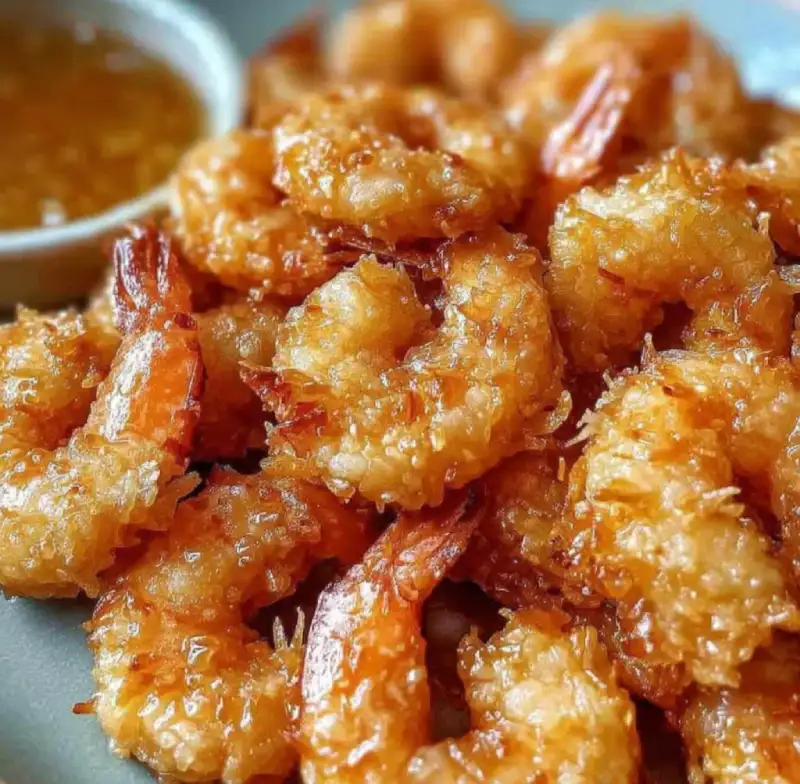
Imagine biting into a perfectly crisp, golden exterior, followed by a burst of tender, juicy shrimp infused with a delightful sweet and savory coconut flavor. That, my friends, is the magic of homemade Chinese Coconut Shrimp! Forget those sad, often greasy takeout versions; today, we’re making a batch so incredible, it’ll make your tastebuds sing. This recipe isn’t just about frying shrimp; it’s about achieving that phenomenal contrast in textures and a flavor profile that transports you straight to your favorite Asian bistro. If you’re looking for more amazing culinary adventures, see more good recipes here to spark your kitchen creativity!
From Takeout Craving to Homemade Delight: Why This Recipe is a Must-Try
For years, I’ve been chasing that perfect Chinese Coconut Shrimp experience at home. The anticipation of crunchy coconut paired with succulent shrimp is hard to beat, but achieving that ideal balance of sweetness, savory notes, and impeccable texture can be tricky. Many recipes fall short, resulting in soggy coatings or overcooked shrimp. Not this one! This recipe has been meticulously tested and refined to ensure every bite is a triumph. It’s truly a game-changer for anyone who adores this classic appetizer.
My Journey to the Perfect Chinese Coconut Shrimp
My quest began after a particularly disappointing restaurant serving. I was determined to crack the code and create a version superior to anything I could order. Countless batches of shrimp, various breading combinations, and endless temperature tweaks later, I finally landed on this golden formula. It’s a journey filled with crispy triumphs and a few (ahem) soggy setbacks, but every step was worth it to bring you this foolproof guide to the most delicious Chinese Coconut Shrimp you’ll ever make at home.
Why This Chinese Coconut Shrimp Recipe Works Every Time
- Crispy, Golden Coating: Achieving the Perfect Crunch: Our secret lies in a multi-layered breading system that locks in moisture and creates an unparalleled shatteringly crisp texture.
- Juicy, Tender Shrimp: Never Overcooked: We focus on proper prep and precise frying times to ensure your shrimp remains succulent and never rubbery.
- Sweet and Savory Balance: Flavor Harmony in Every Bite: The delicate sweetness of coconut perfectly complements the savory notes from soy and garlic, creating a beautifully balanced profile.
- Quick & Easy Prep: Minimal Fuss, Maximum Flavor: With a streamlined process, you’ll be enjoying these golden nuggets faster than you think!
Essential Ingredients & Smart Substitutions for Chinese Coconut Shrimp
Here is what you need and why:
The Star of the Show: Shrimp Selection and Prep
Shrimp: For the best results, use large, raw, peeled, and deveined shrimp (21/25 count or larger). Fresh is always best, but high-quality frozen shrimp, properly thawed, works wonderfully. Thaw in the refrigerator overnight or under cold running water for a quicker thaw. Ensure they are completely dry before breading – moisture is the enemy of crispiness!
Achieving the Perfect Coating: Flour, Egg, and Panko Secrets
All-Purpose Flour: This is our initial dusting layer, helping the egg adhere better. A light coating is all you need.
Eggs: Whisked eggs act as the binder for our crispy coating. A little water or milk can help thin them slightly for easier coating.
Panko Breadcrumbs: This is a non-negotiable for maximum crispiness! Panko, Japanese-style breadcrumbs, are lighter and flakier than traditional breadcrumbs, resulting in an incomparably crisp crust. Do not substitute regular breadcrumbs here if you want that stellar crunch.
Coconut Power: Shredded vs. Flaked Coconut
Sweetened Shredded Coconut: This is what gives our shrimp its signature flavor and texture. Sweetened works best as it caramelizes beautifully during frying. While desiccated or unsweetened can be used, you might want to add a pinch of sugar to the panko mixture to compensate for the lack of sweetness. Flaked coconut is larger and will give a more defined coconut texture; shredded integrates more seamlessly.
Flavor Boosters: Soy Sauce, Honey, and Garlic’s Role
Soy Sauce: A touch of soy sauce in the egg mixture or marinade (if you choose to marinate briefly) adds a savory depth and helps balance the sweetness.
Honey: A small amount of honey can be brushed on the fried shrimp or incorporated into a dipping sauce for an extra layer of complementary sweetness and gloss.
Garlic Powder/Fresh Garlic: A hint of garlic, either powdered in the breading or minced in an optional marinade, elevates the savory profile.
Oil Choices for Frying: Best Options for Crispy Results
Vegetable Oil, Canola Oil, or Peanut Oil: Choose a neutral-flavored oil with a high smoke point for deep frying. These oils will ensure your shrimp gets golden and crispy without imparting unwanted flavors. You’ll need enough to submerge the shrimp partially or fully.
Ingredient Swaps: Making It Work for You
Gluten-Free Option: Use gluten-free all-purpose flour and certified gluten-free panko breadcrumbs. Ensure your soy sauce is also gluten-free (tamari).
Less Sweet: If you prefer less sweetness, opt for unsweetened shredded coconut and reduce or omit honey in any dipping sauce.
Step-by-Step: Your Visual Guide to Perfect Chinese Coconut Shrimp
Prepping Your Shrimp: Cleaning and Deveining
1. Prepare the Shrimp
Start by ensuring your shrimp are fully thawed, peeled (leaving the tail on for a nice handle is optional but recommended!), and deveined. Pat them thoroughly dry with paper towels. This step is crucial for the breading to adhere and for achieving maximum crispiness. Place the dried shrimp in a bowl.
Setting Up Your Breading Station: The Assembly Line Approach
2. Set Up Your Breading Station
Create an assembly line with three shallow dishes. In the first dish, place your all-purpose flour seasoned with a pinch of salt and black pepper. In the second, whisk your eggs with a splash of water or soy sauce. In the third dish, combine the panko breadcrumbs, shredded coconut, and a touch of garlic powder and salt. Mix these well to ensure an even distribution.
Coating the Shrimp: Maximizing Adhesion for Crunch
3. Bread the Shrimp
Working one shrimp at a time, dredge it first in the seasoned flour, shaking off any excess. Next, dip it into the whisked egg, allowing excess to drip off. Finally, coat it generously in the panko and coconut mixture, pressing gently to ensure the crumbs adhere well. Place the breaded shrimp on a clean plate or baking sheet without overlapping. Repeat with all shrimp.
Frying Techniques: Temperature Control for Golden Perfection
4. Fry to Golden Perfection
Heat about 2-3 inches of your chosen frying oil in a deep, heavy-bottomed pot or Dutch oven over medium-high heat until it reaches 350-375°F (175-190°C). If you don’t have a thermometer, a small drop of breading should sizzle immediately when dropped in. Carefully place a few shrimp into the hot oil, making sure not to overcrowd the pan. Fry for 2-3 minutes per side, or until golden brown and cooked through. The internal temperature of the shrimp should reach 120°F (49°C).
Draining and Seasoning: The Final Touches
5. Drain and Serve
Using a slotted spoon or tongs, carefully remove the fried shrimp from the oil and transfer them to a wire rack set over a baking sheet lined with paper towels. Immediately sprinkle with a pinch of salt (if desired). This allows excess oil to drain and keeps them crispy. Continue frying in batches until all shrimp are cooked. Serve hot with your favorite dipping sauce!
Expert Tips for Chinese Coconut Shrimp Success
- Don’t Overcrowd the Pan: Fry in Batches: Frying too many shrimp at once will lower the oil temperature, leading to greasy, soggy shrimp. Work in batches to maintain consistent heat and achieve that perfect crispness.
- Temperature is Key: Maintain Consistent Oil Heat: Invest in a good thermometer. Keeping your oil between 350-375°F (175-190°C) is crucial for a crisp, golden exterior and perfectly cooked shrimp.
- Seasoning Your Breading: Beyond Just Salt: Don’t just rely on the dipping sauce for flavor! Season your flour and panko mixture with a little salt, pepper, and garlic powder for a more flavorful crust.
- The Power of a Wire Rack: Keeping It Crispy: Never place freshly fried shrimp directly on paper towels for prolonged periods. The steam will make them soggy. A wire rack allows air circulation, keeping them wonderfully crisp.
- Dipping Sauce Pairing: Elevate Your Experience: While delicious on their own, a tangy sweet chili sauce, a creamy sriracha aioli, or a simple honey-lime sauce can take your Chinese Coconut Shrimp to the next level.
What to Serve With Your Delicious Chinese Coconut Shrimp
Classic Pairings: Rice and Stir-fried Veggies
For a complete and satisfying meal, pair your crispy Chinese Coconut Shrimp with fluffy jasmine rice and a vibrant stir-fry of your favorite vegetables like broccoli, snap peas, and carrots. A light soy-ginger sauce for the veggies ties the meal together beautifully.
Fresh and Flavorful: Light Salads and Slaws
If you’re looking for something lighter, a fresh Asian-inspired slaw with shredded cabbage, carrots, bell peppers, and a sesame-ginger dressing provides a crisp, refreshing contrast to the richness of the shrimp. A simple green salad with a citrus vinaigrette also works wonders.
Creative Combos: Noodles or Lettuce Wraps
Get creative! Toss your shrimp with some quick-cooking lo mein noodles and a light sauce for a fun twist. Alternatively, serve them as the star of a fresh lettuce wrap with some shredded cucumber, carrots, and a drizzle of dipping sauce for a deconstructed appetizer experience. For a fantastic external resource on baking, check out King Arthur Baking’s recipes.
Beverage Boosters: What to Drink with Coconut Shrimp
A crisp, dry white wine like Sauvignon Blanc or Pinot Grigio pairs wonderfully with the sweet and savory notes. For non-alcoholic options, iced green tea, sparkling water with lime, or a ginger ale are refreshing choices that complement the flavors without overpowering them.
Storing & Reheating Chinese Coconut Shrimp Like a Pro
Best Storage Practices: Keeping It Fresh
Allow any leftover Chinese Coconut Shrimp to cool completely to room temperature before storing. Place them in an airtight container in a single layer if possible, with paper towels between layers to absorb any moisture. Refrigerate for up to 2-3 days.
Reheating for Optimal Crispness: Oven vs. Air Fryer
To bring back that glorious crispness, avoid the microwave! It will make them soggy.
- Oven: Preheat your oven to 375°F (190°C). Place the shrimp in a single layer on a wire rack set over a baking sheet. Heat for 8-12 minutes, or until heated through and crisp.
- Air Fryer: Preheat your air fryer to 350°F (175°C). Place shrimp in a single layer in the basket, ensuring they are not overcrowded. Air fry for 5-7 minutes, shaking the basket halfway through, until hot and crispy.
Chinese Coconut Shrimp: Your Top Questions Answered
Can I Bake or Air Fry Coconut Shrimp Instead of Frying?
How Do I Keep My Coconut Shrimp from Getting Soggy?
What’s the Best Type of Shrimp to Use?
Can I Prepare the Shrimp Ahead of Time?
Delicious Chinese Coconut Shrimp
- Total Time: 35 minutes
- Yield: 4 servings 1x
Description
Unlock amazing flavor with this easy, step-by-step recipe for crispy, juicy Chinese Coconut Shrimp. Perfect for a delicious appetizer or main course, boasting a perfect sweet and savory balance.
Ingredients
- 1 lb large raw shrimp (21/25 count), peeled and deveined, tails on or off
- 1/2 cup all-purpose flour
- 1/2 tsp salt, divided
- 1/4 tsp black pepper
- 2 large eggs, lightly beaten
- 1 tbsp water or soy sauce
- 1 cup Panko breadcrumbs
- 1 cup sweetened shredded coconut
- 1/2 tsp garlic powder
- 4 cups vegetable, canola, or peanut oil, for frying
Instructions
- 1. Prepare Shrimp: Pat shrimp thoroughly dry with paper towels.
- 2. Set Up Breading Station: In shallow dish 1, mix flour, 1/4 tsp salt, and pepper. In dish 2, whisk eggs with water/soy sauce. In dish 3, combine Panko, coconut, garlic powder, and remaining 1/4 tsp salt.
- 3. Bread Shrimp: Dredge each shrimp in flour, then egg, then Panko/coconut, pressing firmly to coat. Place on a clean plate.
- 4. Fry Shrimp: Heat oil in a deep pot to 350-375°F (175-190°C). Fry shrimp in batches for 2-3 minutes per side, until golden brown and cooked through.
- 5. Drain & Serve: Remove shrimp to a wire rack set over paper towels. Serve immediately with desired dipping sauce.
- Prep Time: 20 mins
- Cook Time: 15 mins