


Easy Biko Recipe: 5 Steps to Filipino Sweet Rice
Table of Contents
- Introduction: Sweet Delights of Filipino Biko
- Why This Easy Biko Recipe is Your New Favorite
- Essential Ingredients for Filipino Sweet Rice
- Step-by-Step Instructions: Mastering Biko in 5 Easy Steps
- Expert Tips for Perfect Biko Every Time
- Serving Suggestions and Variations
- Storing Your Delicious Filipino Sweet Rice
- Frequently Asked Question
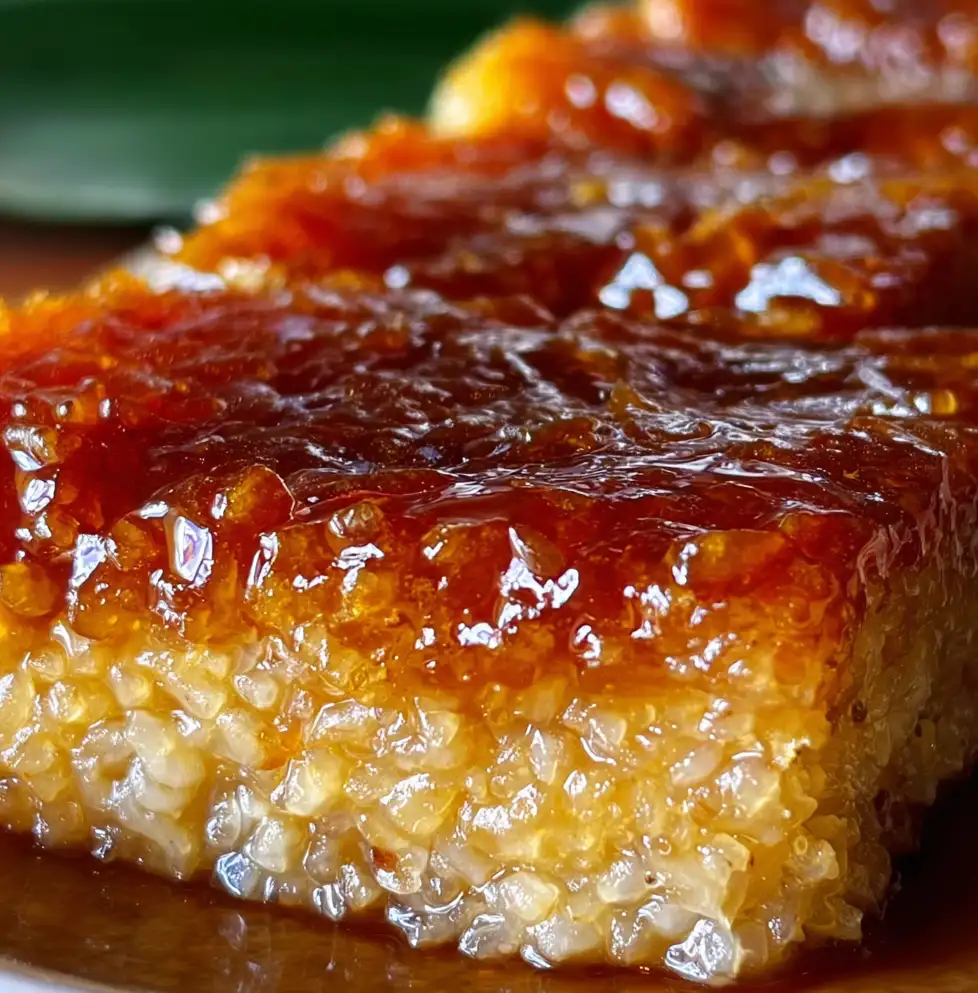
This comprehensive guide will walk you through an easy Biko recipe, allowing you to create this beloved Filipino sweet rice dessert right in your own kitchen! Biko is a traditional Filipino delicacy made from glutinous rice, coconut milk, and brown sugar, often served during special occasions or as a sweet treat. Get ready to impress your family and friends with this delightful kakanin.
Introduction: Sweet Delights of Filipino Biko
Biko is more than just a dessert; it’s a taste of Filipino culture and tradition. Its rich, sticky texture and sweet coconut flavor make it an irresistible favorite.
Often topped with golden-brown latik (toasted coconut curds), Biko offers a perfect balance of sweetness and subtle savory notes. It’s a comforting dish that brings people together.
Why This Easy Biko Recipe is Your New Favorite
This particular easy Biko recipe simplifies the process without compromising on authentic flavor. We’ve broken down each step to ensure even beginner cooks can achieve perfect results.
With readily available ingredients and clear instructions, you’ll find yourself making this Filipino sweet rice again and again. Say goodbye to complicated cooking and hello to delicious, homemade Biko!
Essential Ingredients for Filipino Sweet Rice
Gathering your ingredients is the first step to a successful Biko. Here’s what you’ll need for this delicious Filipino sweet rice:
- 2 cups glutinous rice (malagkit)
- 3 cans (13.5 oz each) full-fat coconut milk, divided
- 1.5 cups brown sugar, packed
- 1/2 teaspoon salt
- 1/4 cup water (for cooking rice)
Step-by-Step Instructions: Mastering Biko in 5 Easy Steps
Follow these detailed steps to create your perfect Biko recipe. Each stage is crucial for that authentic taste and texture.
Step 1: Preparing Your Glutinous Rice
Rinse the glutinous rice thoroughly under cold water until the water runs clear. This removes excess starch and helps prevent stickiness.
In a large pot, combine the rinsed glutinous rice with 1 can of coconut milk and 1/4 cup of water. Bring to a boil, then reduce heat to low, cover, and simmer for 15-20 minutes, or until the liquid is absorbed and the rice is half-cooked. Do not stir too much.
Step 2: Simmering the Coconut Milk Foundation
In a separate large pot or wok, combine the remaining 2 cans of coconut milk, brown sugar, and salt. Cook over medium heat, stirring constantly, until the sugar dissolves and the mixture thickens slightly.
Continue to cook for about 10-15 minutes, allowing the coconut milk to reduce and become fragrant. This creates the rich, sweet base for your Biko.
Step 3: Combining and Cooking the Biko Base
Add the half-cooked glutinous rice to the thickened coconut milk mixture in the wok. Stir gently to combine everything evenly.
Continue cooking over medium heat, stirring frequently to prevent sticking, for another 20-30 minutes, or until the rice is fully cooked, very sticky, and the mixture pulls away from the sides of the pan. This is the heart of your easy Biko recipe.
Step 4: Crafting the Rich Latik Topping
For the latik, pour one can of coconut cream (not milk) into a small saucepan. Cook over medium heat, stirring occasionally, until the liquid evaporates and oil separates, leaving behind golden-brown curds.
Carefully separate the latik from the oil using a slotted spoon. Set aside the latik to cool. For more details on making perfect latik, visit Panlasang Pinoy’s guide.
Step 5: Assembling and Baking Your Biko
Preheat your oven to 350°F (175°C). Grease a 9×13 inch baking dish. Spread the cooked Biko mixture evenly into the prepared dish.
Sprinkle the prepared latik evenly over the top of the Biko. Bake for 15-20 minutes, or until the top is slightly golden brown and caramelized. Let it cool completely before slicing and serving.
Expert Tips for Perfect Biko Every Time
Always use full-fat coconut milk and cream for the best flavor and texture. Don’t rush the simmering process; patience yields a richer Biko.
Stir constantly when cooking the Biko base to prevent burning and ensure even cooking. For an extra special touch, you can add pandan leaves to the coconut milk mixture for a subtle aroma.
Serving Suggestions and Variations
Serve your delicious Biko at room temperature or slightly warm. It pairs wonderfully with a cup of coffee or tea.
For variations, try adding a tablespoon of ube extract for a vibrant purple ube Biko, or a dash of vanilla extract to the base mixture. You can also press some toasted sesame seeds on top before baking for added crunch. Read our in-depth guide here.
Storing Your Delicious Filipino Sweet Rice
Leftover Biko can be stored in an airtight container at room temperature for up to 2 days. For longer storage, refrigerate for up to 5 days.
Reheat slices gently in the microwave or a warm oven until softened. This easy Biko recipe is perfect for making ahead!
Frequently Asked Question
What is the difference between Biko and Suman?
While both are Filipino sticky rice delicacies, Biko is typically baked in a dish and cut into squares, often topped with latik. Suman, on the other hand, is usually steamed in banana leaves, giving it a distinct shape and aroma.
Can I use light coconut milk for this Biko recipe?
For the best and most authentic flavor and texture, it is highly recommended to use full-fat coconut milk and coconut cream. Light coconut milk will result in a less rich and creamy Biko, altering the traditional taste.
How do I prevent my Biko from sticking to the pan?
Ensuring your pan is well-greased is crucial. Also, stirring constantly during the cooking process, especially when the rice mixture starts to thicken, will prevent it from sticking and ensure even cooking. Using a non-stick pan can also help significantly.