


{
“blog_html”: ”
Table of Contents
\n
\n
\n
\n
\n
\n
\n
\n
\n
\n\n
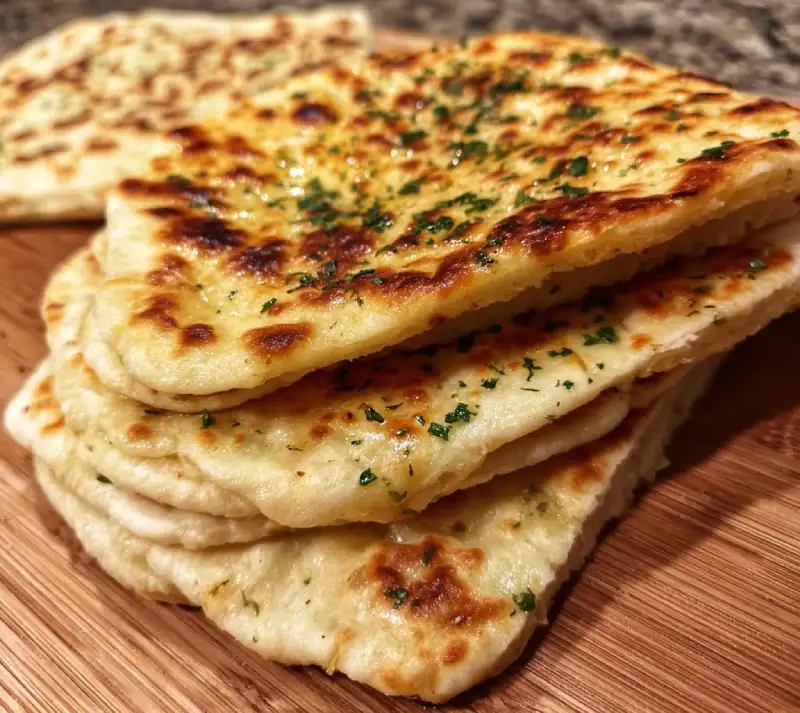
Get ready to elevate your bread-making game with a recipe that’s about to become your kitchen’s MVP: Greek Yogurt Turkish Flatbread! Imagine a flatbread, perfectly golden, with a delightful chew and an incredibly soft, tender crumb that practically melts in your mouth. This isn’t just any flatbread; it’s a revelation, so simple yet so utterly delicious. The magic lies in the Greek yogurt, which lends an unparalleled richness and moisture, creating a flatbread that’s far superior to many you’ve tried. Whether you’re dipping it into a vibrant hummus or using it to scoop up rich stews, this flatbread is versatile, comforting, and utterly addictive. Trust me, once you make this, you’ll be wondering where it’s been all your life. For more easy and incredible recipes, be sure to check out mycakesrecipes.com!
\n\n
Authentic Greek Yogurt Turkish Flatbread: Your New Favorite Recipe
\n
-
- \n
- Unbeatable Texture: The Greek yogurt creates an incredibly soft and tender crumb, making these flatbreads irresistible. It’s the secret to their pillowy perfection!
\n
-
- Rich Flavor Profile: A subtle tang from the yogurt combined with olive oil and a hint of salt and sugar elevates the flavor far beyond a basic bread.
\n
-
- Surprisingly Simple: Despite the gourmet results, this recipe is straightforward and accessible for bakers of all skill levels.
\n
-
- Versatility Personified: From a mezze platter star to a perfect sop for stews, these flatbreads complement an array of dishes.
\n
\n\n
Ingredients for Greek Yogurt Turkish Flatbread and Smart Substitutions
\n
Here is what you need and why:
\n
Greek Yogurt: More Than Just a Moistener: This is the star ingredient! Full-fat plain Greek yogurt not only adds incredible moisture to the dough, preventing it from drying out, but also contributes a delightful subtle tang that enhances the overall flavor. The acidity in the yogurt also helps tenderize the gluten, resulting in a more delicate texture. Avoid using low-fat or flavored yogurts as they won’t provide the same richness or flavor. If you absolutely must substitute, a thick, plain, full-fat regular yogurt (like a European-style yogurt) could work, but drain off any excess whey first.
\n
Yeast: Understanding Its Role and Activation: Active dry yeast is my preference here. It’s crucial for the rise and airiness of your flatbreads. It gets activated in warm water (around 105-115°F or 40-46°C) with a pinch of sugar, which serves as its food. This “blooming” step confirms your yeast is alive and well before you commit it to the dough. Instant yeast can be used directly without blooming; just mix it with the dry ingredients, but ensure your liquids are still warm enough to activate it.
\n
Water: Temperature Matters: The water you use isn’t just for hydration; it’s essential for activating the yeast. It needs to be warm, not hot (which would kill the yeast), and not cold (which would inhibit its activity). Aim for roughly 105-115°F (40-46°C) – it should feel comfortably warm to the touch, like a baby’s bath. If you don’t have a thermometer, err on the side of slightly cooler rather than too hot.
\n
Olive Oil: For Flavor and Tenderness: A good quality extra virgin olive oil not only infuses the flatbread with a beautiful, earthy flavor but also contributes to the dough’s tenderness. It helps to coat the gluten strands, keeping the dough supple and preventing it from becoming tough. You’ll use it in the dough and also for brushing before baking for that perfect golden finish.
\n
Salt and Sugar: The Unsung Heroes of Flavor and Dough Development: Don’t underestimate these two! Salt is vital for seasoning the dough, bringing out all the other flavors, and controlling yeast activity. Without it, your flatbread would taste bland. Sugar, though used in a small amount, is yeast food and helps with browning the crust, giving that lovely golden hue. It also balances the tang of the Greek yogurt beautifully.
\n
\n\n
Step-by-Step Instructions: Making Your Greek Yogurt Turkish Flatbread
\n
Follow these step-by-step instructions to create the ultimate Greek Yogurt Turkish Flatbread:
\n
1. Activate the Yeast and Mix the Dough
\n
In a large mixing bowl, combine the warm water, a pinch of sugar, and the active dry yeast. Let it sit for 5-10 minutes until foamy, indicating the yeast is active. Add the Greek yogurt, olive oil, remaining sugar, and salt to the yeast mixture and whisk well. Gradually add the flour, mixing with a wooden spoon or your hands until a shaggy dough forms. Turn it out onto a lightly floured surface and knead for 5-7 minutes until it’s smooth, elastic, and no longer sticky. It should spring back slowly when poked.
\n
\n
2. First Rise: The Key to Airiness
\n
Lightly oil a clean bowl. Place the kneaded dough in the bowl, turning it once to coat with oil. Cover the bowl tightly with plastic wrap or a clean kitchen towel. Let the dough rise in a warm, draft-free place for about 1 to 1.5 hours, or until it has doubled in size. This first rise develops rich flavor and helps create that airy texture.
\n
\n
3. Shape the Flatbreads
\n
Gently punch down the risen dough to release the air. Divide the dough into 8-10 equal pieces, depending on your desired flatbread size. On a lightly floured surface, take one piece of dough and gently roll it out into a roughly 6-8 inch circle, about 1/4 inch thick. Don’t worry about perfect circles; rustic shapes are charming! Repeat with the remaining dough pieces, placing them on parchment-lined baking sheets.
\n
\n
4. Second Rise and Prep for Baking
\n
Once shaped, cover the flatbreads loosely with a clean kitchen towel and let them rest for another 20-30 minutes. This second rise allows them to puff up slightly, building more flavor and a tender texture. During this time, preheat your oven to 450°F (230°C) with a baking stone or inverted baking sheet inside, if you have one, to get it screaming hot. This hot surface is crucial for a crisp exterior. Brush the tops of the flatbreads with a little olive oil or a beaten egg wash, for a beautiful golden shine.
\n
\n
5. Bake to Golden Perfection
\n
Carefully transfer the flatbreads (you may need to do this in batches) to the preheated hot baking stone or sheet. Bake for 6-10 minutes, or until they are puffed up, golden brown on the edges, and cooked through. They should have a few lovely blisters on the surface. Keep a close eye on them, as oven temperatures can vary. Remove from the oven and, if desired, brush with a little melted butter or more olive oil immediately after baking for extra flavor and shine. Serve warm.
\n
\n\n
Expert Tips for Success with Your Flatbread
\n
-
- \n
- Don’t Over-Flour Your Dough: While a lightly floured surface is necessary for kneading and shaping, too much flour will result in dry, tough flatbreads. Add just enough to prevent sticking.
\n
-
- Listen to Your Dough, Not Just the Clock: Rising times are estimates. Your dough is ready when it has doubled in size, regardless of whether it took 1 hour or 2. Factors like room temperature affect this.
\n
-
- The Importance of a Hot Baking Surface: A preheated baking stone or overturned baking sheet is key! This intense heat creates a lovely, crisp exterior and helps the flatbread puff beautifully.
\n
-
- Brushing for Shine and Flavor: A final brush with olive oil before baking or melted butter (or even garlic butter!) immediately after baking adds a gorgeous shine and boosts the flavor significantly.
\n
-
- Quality Ingredients Matter: Especially for simple recipes like this Greek Yogurt Turkish Flatbread, using quality extra virgin olive oil and fresh Greek yogurt will make a noticeable difference in the taste.
\n
\n
\n\n
What to Serve with Greek Yogurt Turkish Flatbread
\n
-
- \n
- Mezze, Dips, and Spreads: The absolute classic pairing! Serve these Greek Yogurt Turkish Flatbreads with hummus, baba ghanoush, tzatziki, labneh, or a spicy muhammara. They are perfect for scooping.
\n
-
- Grilled Meats and Vegetables: These flatbreads are an ideal accompaniment for grilled lamb, chicken kebabs, halloumi cheese, or grilled vegetables like eggplant and peppers. They soak up all those delicious juices!
\n
-
- Soups and Stews: Use them to sop up hearty lentil soup, a rich lamb stew, or a fragrant chickpea and tomato soup. Their sturdy yet soft texture makes them perfect for this.
\n
-
- Breakfast or Brunch: Top with feta cheese, fresh herbs, a drizzle of olive oil, and a fried egg for a savory and satisfying breakfast.
\n
-
- Quick Pizzas: Use the flatbreads as a base for quick personal pizzas. Add your favorite sauce, cheese, and toppings, then bake until bubbly and golden.
\n
\n\n
Storing and Reheating Your Turkish Flatbread
\n
Storing Leftovers Flatbread: Once completely cooled, store your Greek Yogurt Turkish Flatbreads in an airtight container or a large zip-top bag at room temperature for up to 2-3 days. To keep them at their freshest, I often wrap individual flatbreads in foil before placing them in the container.
\n
Best Reheating Methods:
\n
-
- \n
- Oven/Toaster Oven: This is my preferred method for bringing them back to life. Preheat your oven or toaster oven to 350°F (175°C). Place the flatbreads directly on the rack or a baking sheet and heat for 3-5 minutes, or until warmed through and lightly crisped.
\n
-
- Griddle/Skillet: Heat a dry skillet or griddle over medium heat. Place a flatbread in the pan and heat for 1-2 minutes per side, until soft and warm.
\n
-
- Microwave: While quick, the microwave can sometimes make bread tough. If using, heat for only 10-15 seconds at a time until just warm.
\n
\n\n
Greek Yogurt Turkish Flatbread FAQ
\n
Can I use regular yogurt instead of Greek yogurt?
\n
\n
\n
How do I prevent my flatbread from becoming tough?
\n
\n
\n
Can I freeze the dough or baked flatbreads?
\n
\n
“,
“recipe_card”: {
“title”: “Greek Yogurt Turkish Flatbread (Pide)”,
“description”: “Unlock the secret to incredibly soft and flavorful flatbreads with this easy Greek Yogurt Turkish Flatbread recipe. Perfect for dipping or serving with any meal.”,
“prep_time”: “20 mins”,
“cook_time”: “15 mins”,
“yield”: “8-10 flatbreads”,
“ingredients”: ”
-
- \n
- 1 cup (240ml) warm water (105-115°F / 40-46°C)
\n
-
- 1 teaspoon granulated sugar (plus a pinch for yeast)
\n
-
- 2 ¼ teaspoons active dry yeast (one standard packet)
\n
-
- 1 cup (240g) full-fat plain Greek yogurt
\n
-
- ¼ cup (60ml) extra virgin olive oil (plus more for greasing and brushing)
\n
-
- 1 teaspoon salt
\n
-
- 3 ½ – 4 cups (420-480g) all-purpose flour, plus more for dusting
\n
-
- Optional: Melted butter or additional olive oil for brushing after baking
\n
“,
“instructions”: ”
-
- \n
- Step 1: Activate Yeast & Mix Dough: In a large bowl, combine warm water, a pinch of sugar, and yeast. Let sit 5-10 mins until foamy. Stir in Greek yogurt, olive oil, remaining sugar, and salt. Gradually add flour, mixing until a shaggy dough forms. Knead on a lightly floured surface for 5-7 minutes until smooth and elastic.
\n
-
- Step 2: First Rise: Lightly oil a clean bowl. Place dough in, turning to coat. Cover with plastic wrap and let rise in a warm, draft-free place for 1-1.5 hours, or until doubled in size.
\n
-
- Step 3: Shape Flatbreads: Gently punch down dough. Divide into 8-10 equal pieces. On a lightly floured surface, roll each piece into a 6-8 inch circle, about 1/4 inch thick. Place on parchment-lined baking sheets.
\n
-
- Step 4: Second Rise & Prep: Cover shaped flatbreads loosely and let rise for 20-30 minutes. Preheat oven to 450°F (230°C) with a baking stone or inverted sheet inside. Brush flatbreads with olive oil before baking.
\n
-
- Step 5: Bake: Carefully transfer flatbreads to the hot baking surface. Bake for 6-10 minutes, until puffed and golden brown. Brush with melted butter or olive oil immediately after baking. Serve warm.
\n
”
}
}
“`