


Table of Contents
- Introduction: Your New Go-To Bagel Recipe
- How This Recipe Works: Achieving Bagel Perfection
- Ingredients and Smart Substitutions: What You Need and Why
- How to Make Healthy High-Protein Greek Yogurt Bagels
- Expert Tips for Success: Flawless Bagels Every Time
- What to Serve With Your Healthy Greek Yogurt Bagels
- Storing and Reheating Your Bagels
- Frequently Asked Questions About Greek Yogurt Bagels
Introduction: Your New Go-To Bagel Recipe
Imagine biting into a bagel that’s perfectly chewy on the outside, delightfully soft on the inside, and packed with flavor, all while secretly being incredibly healthy and high in protein! That’s precisely what you’ll get with these Healthy High-Protein Greek Yogurt Bagels. Forget those dense, calorie-laden imposters; these bagels are a game-changer. They deliver on taste, texture, and nutrition, making them an ideal breakfast, snack, or light lunch. See more good recipes here , but first, let’s dive into the magic of these bagels!
Why These Greek Yogurt Bagels Are a Game-Changer
For years, the thought of making homemade bagels seemed daunting, reserved only for expert bakers. But these Greek yogurt bagels shatter that myth! They require minimal ingredients, no boiling (truly!), and come together quicker than you might imagine. The secret? The incredible two-ingredient dough that utilizes the power of Greek yogurt. Not only does it simplify the process, but it also infuses each bagel with a significant protein boost, keeping you fuller for longer. It’s truly a revolutionary approach to a classic favorite.
My Journey to the Perfect Healthy Bagel
Like many of you, I’ve had my share of kitchen experiments – some glorious successes, others… well, let’s just say they taught me valuable lessons. My quest for the perfect healthy bagel began with a desire for a guilt-free pleasure, something that tasted indulgent but aligned with a balanced lifestyle. After countless tweaks, flour variations, and yogurt brands, I finally landed on this recipe. It consistently produces bagels that are not only delicious but also incredibly satisfying. This isn’t just a recipe; it’s the culmination of a passionate pursuit for bagel perfection!
How This Recipe Works: Achieving Bagel Perfection
- No-Fail Two-Ingredient Dough: Seriously, just Greek yogurt and self-rising flour. It’s almost foolproof and creates a lovely, pliable dough.
- Protein-Packed Goodness: The Greek yogurt isn’t just for texture; it significantly boosts the protein content, making these bagels a fantastic fuel source.
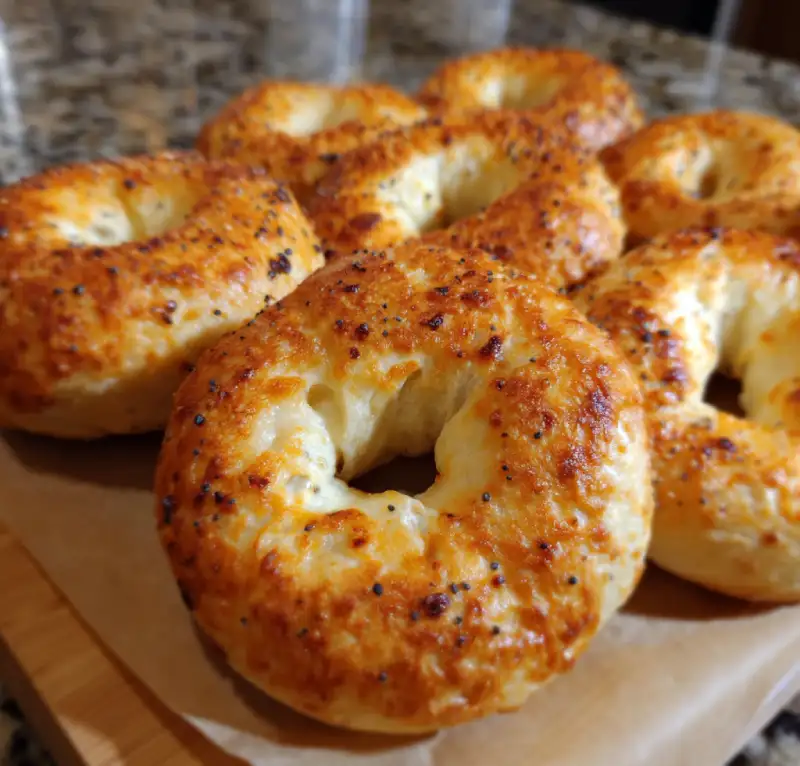
- Crispy, Golden Crust Without Boiling: A simple egg wash (or milk wash) and the right oven temperature create that coveted golden-brown, slightly crisp exterior.
- Tender, Chewy Interior: Despite being a quick recipe, these bagels develop a fantastic chew that rivals traditional, more labor-intensive methods.
The Magic of Two-Ingredient Dough
The brilliance of the two-ingredient dough lies in its simplicity and effectiveness. Self-rising flour already contains leavening agents (baking powder and salt), and when combined with the acidity of Greek yogurt, it reacts to create lift and a wonderful texture without the need for active yeast or hours of proofing. The yogurt also adds moisture and a subtle tang that complements the flour beautifully.
Crust That’s Perfectly Chewy and Golden
Achieving that iconic bagel crust without the traditional boiling step might seem impossible, but it’s not! The combination of a slightly higher baking temperature and an egg or milk wash prior to baking helps to create that desirable golden-brown, slightly chewy exterior that’s characteristic of a great bagel. The wash helps with browning and gives it that glossy finish.
Soft Interior, Authentic Bagel Texture
While the crust gets its chew, the interior remains wonderfully soft and tender. The Greek yogurt contributes significantly to this, providing moisture and a structure that, when baked, results in an authentic bagel-like texture. You won’t miss the traditional method once you taste the results of these Healthy High-Protein Greek Yogurt Bagels!
Ingredients and Smart Substitutions: What You Need and Why
Here is what you need and why:
Plain Greek Yogurt: The Protein Powerhouse
Use thick, plain, full-fat or 2% Greek yogurt for the best results. The higher the fat content, the more tender your bagels will be, but 0% fat works too if you prefer. Avoid flavored yogurts; their sugars and artificial ingredients will throw off the recipe. The acidity in the yogurt reacts with the leavening agents in the self-rising flour, creating lift and adding a wonderful moisture and tang to the dough. Fage, Chobani, or even store-brand Greek yogurts are all excellent options.
Self-Rising Flour: Simplicity in a Bag
This is your hero ingredient! Self-rising flour already contains all-purpose flour, baking powder, and salt, eliminating the need for separate measurements. If you don’t have self-rising flour, you can easily make your own by combining 1 cup of all-purpose flour with 1.5 teaspoons of baking powder and 1/4 teaspoon of fine salt. Just make sure to whisk it very well before using!
Optional Toppings: Elevation and Flavor
This is where you can truly customize your bagels! Think beyond the classic: sesame seeds, poppy seeds, everything bagel seasoning (my personal favorite!), dried minced onion or garlic, coarse sea salt, or even a sprinkle of grated cheese before baking. Don’t be afraid to experiment!
Egg Wash vs. Milk Wash: Your Choice for Shine
An egg wash (one egg beaten with a tablespoon of water or milk) will give your bagels a beautiful, deep golden-brown crust with a lovely shine. If you want to avoid egg or prefer a softer crust, a simple milk wash (a tablespoon or two of milk or non-dairy milk) brushed over the bagels will still help with browning and allow toppings to adhere.
How to Make Healthy High-Protein Greek Yogurt Bagels
Follow these step-by-step instructions (no photos needed here, just descriptive text):
1. Prep Your Workspace and Preheat
Preheat your oven to 375°F (190°C). Line a baking sheet with parchment paper or a silicone baking mat. Lightly flour a clean surface for kneading and shaping your dough. Having everything ready before you start mixing makes the process incredibly smooth! Make sure your parchment paper is flat and secured so your bagels don’t stick.
2. Form the Dough: No-Fuss Mixing
In a large bowl, combine the self-rising flour and plain Greek yogurt. Mix with a spoon or your hands until a shaggy dough begins to form. Once it’s too thick to stir, turn the dough out onto your lightly floured surface. Knead for about 5-8 minutes until the dough is smooth, elastic, and no longer sticky. It should feel soft and pliable, not overly dry or crumbly. If it’s too sticky, add a tiny bit more flour, a teaspoon at a time. If it seems too dry, a tiny bit more yogurt.
3. Shape Your Bagels: The Easy Way
Divide the dough into 6-8 equal portions (for larger or smaller bagels, adjust accordingly). Roll each portion into a rope about 6-8 inches long. Bring the ends of the rope together and pinch them firmly to form a ring. Alternatively, you can form each portion into a ball and then use your finger to poke a hole in the center, gently stretching it to create the classic bagel shape with about a 1-inch hole diameter. Ensure the holes are large enough, as they will shrink during baking.
4. Apply Wash and Toppings
In a small bowl, whisk together one egg with a tablespoon of water or milk for your egg wash (or just use milk for a milk wash). Place the shaped bagels on the prepared baking sheet. Using a pastry brush, generously brush the tops and sides of each bagel with the egg or milk wash. Immediately sprinkle your desired toppings evenly over the washed bagels. Press them gently to help them adhere.
5. Bake to Golden Perfection
Bake the bagels in the preheated oven for 20-25 minutes, or until they are beautifully golden brown and sound hollow when tapped on the bottom. Baking times can vary slightly depending on your oven, so keep an eye on them. Once baked, transfer the bagels to a wire rack to cool slightly before slicing and serving. This cooling time is crucial for the texture to set!
Expert Tips for Success: Flawless Bagels Every Time
- Don’t Overwork the Dough: While a few minutes of kneading are necessary to make it smooth, overworking can make the bagels tough. Once it’s smooth and elastic, stop!
- Achieving the Perfect Ring Shape: When forming the ring, make sure the hole in the center is at least 1 inch wide. It will shrink during baking, and you want that classic bagel look. Pinch the ends firmly together to prevent them from separating.
- Adjusting Baking Time for Your Oven: Every oven is a little different. Keep an eye on your bagels during the last 5-10 minutes of baking. If they’re browning too quickly, you might need to reduce the temperature slightly or tent them with foil.
- Troubleshooting Common Issues: If your dough is too sticky, add flour teaspoon by teaspoon. If it’s too dry and crumbly, add yogurt a teaspoon at a time. The perfect dough is soft, pliable, and just slightly tacky. Ensure your Greek yogurt is thick; watery yogurt can throw off the balance.
- External Link for Baking Wisdom: For more detailed baking tips and conversions, I often refer to reliable resources like King Arthur Baking’s website. They have a wealth of knowledge!
What to Serve With Your Healthy Greek Yogurt Bagels
Classic Cream Cheese Pairings
You can’t go wrong with classic cream cheese! Spread on plain, herb-and-garlic, or a sweet berry cream cheese for a delectable experience. For an extra protein boost, opt for Greek yogurt-based cream cheese spreads!
Savory Topping Ideas
Elevate your bagel game with savory options! Try smashed avocado with everything bagel seasoning and a sprinkle of chili flakes. Or, how about thinly sliced smoked salmon with capers and fresh dill? A fried egg and a slice of cheddar cheese also make a fantastic breakfast sandwich.
Sweet Spreads and Fruit Options
For those with a sweet tooth, slather your bagel with natural peanut butter or almond butter, sliced bananas, and a drizzle of honey. Fruit preserves, apple butter, or even a dollop of yogurt with fresh berries are also wonderful choices.
Storing and Reheating Your Bagels
Best Practices for Freshness
These Healthy High-Protein Greek Yogurt Bagels are best enjoyed fresh, ideally on the day they are made. However, you can store any leftovers in an airtight container or a large zip-top bag at room temperature for up to 2-3 days. For optimal freshness, consider slicing them in half before storing.
Freezing for Future Enjoyment
These bagels freeze beautifully! Once completely cooled, slice them in half (this makes future toasting easier), then place them in a freezer-safe bag or wrap them individually in plastic wrap and then foil. They can be frozen for up to 2-3 months. Freezing is an excellent way to always have a healthy, homemade bagel on hand!
Reheating for Optimal Texture
From room temperature, a quick toast in a toaster or toaster oven will bring them back to life. If reheating from frozen, you can pop them directly into the toaster/toaster oven on a medium setting, adding a few extra minutes until they are warmed through and slightly crisp. You can also warm them in a regular oven at 350°F (175°C) for about 5-7 minutes.
Frequently Asked Questions About Greek Yogurt Bagels
Can I Use Regular Flour?
Why Does My Dough Feel Sticky?
Are These Bagels Gluten-Free?
How Do I Make Them Vegan?
Healthy High-Protein Greek Yogurt Bagels
- Total Time: 44 minute
- Yield: 6-8 bagels 1x
Description
Discover how to make healthy high-protein Greek yogurt bagels with this step-by-step recipe. These bagels are easy to bake and offer the best flavor!
Ingredients
- 1 cup (240g) plain, thick Greek yogurt (full-fat or 2%)
- 1 cup (120g) self-rising flour, plus more for dusting
- 1 egg, beaten with 1 tbsp water or milk (for egg wash, optional)
- Optional toppings: Everything bagel seasoning, sesame seeds, poppy seeds, shredded cheese, etc.
Instructions
- 1. Preheat oven to 375°F (190°C). Line a baking sheet with parchment paper.
- 2. In a large bowl, combine Greek yogurt and self-rising flour until a shaggy dough forms.
- 3. Turn dough onto a lightly floured surface and knead for 5-8 minutes until smooth and elastic.
- 4. Divide dough into 6-8 equal portions. Roll each into a 6-8 inch rope, then join ends to form a ring, pinching firmly.
- 5. Place shaped bagels on the prepared baking sheet. Brush generously with egg wash (if using) and sprinkle with desired toppings.
- 6. Bake for 20-25 minutes, or until golden brown and cooked through.
- 7. Transfer to a wire rack to cool slightly before serving.
- Prep Time: 15 mins
- Cook Time: 20-25 mins