


Table of Contents
- Mastering Japanese Chicken Yakitori at Home
- How This Yakitori Recipe Works
- Ingredients and Smart Substitutions
- Step-by-Step Instructions for Perfect Yakitori
- Expert Tips for Yakitori Success
- What to Serve with Japanese Chicken Yakitori
- Storing and Reheating Yakitori
- Japanese Chicken Yakitori: Your Questions Answered
Mastering Japanese Chicken Yakitori at Home
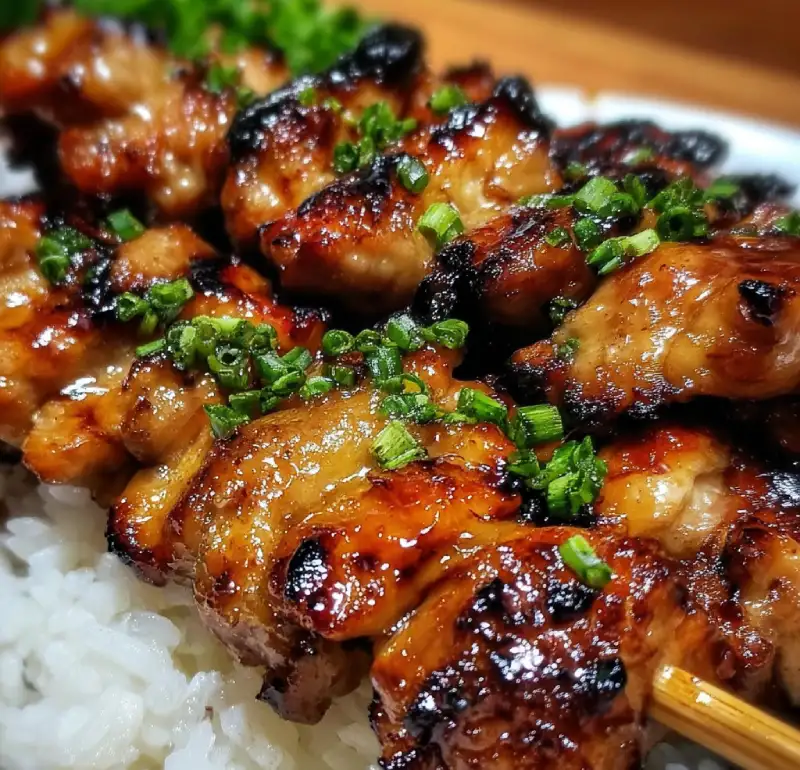
Is there anything more satisfying than biting into a perfectly grilled skewer of tender, juicy chicken, glazed with a glistening, sweet and savory sauce? That, my friends, is the magic of Japanese Chicken Yakitori. Each bite offers a symphony of flavors – the slight char from the grill, the umami depth of the glaze, and the succulent chicken that practically melts in your mouth. Many people relegate this culinary delight to restaurants, but I’m here to tell you that mastering Japanese Chicken Yakitori at home is not just possible, it’s incredibly rewarding! It’s a game-changer for weeknight dinners and a guaranteed crowd-pleaser for any gathering. My journey to perfect these savory skewers began years ago, inspired by countless visits to authentic izakayas. After much experimentation, countless batches of sauce, and grilling sessions, I’ve finally cracked the code to making restaurant-quality Yakitori right in your own kitchen. For more delectable culinary inspirations, you can always see more good recipes here.
How This Yakitori Recipe Works
- Achieving perfectly tender chicken: We’ll use chicken thighs, cut into uniform pieces, and a strategic marinating process to ensure every bite is incredibly juicy and tender.
- The irresistible sweet and savory glaze: Our homemade Yakitori tare (sauce) strikes the perfect balance of sweetness from sugar and mirin, and umami from soy sauce and sake, building layers of flavor with each basting.
- Crispy skin without deep frying: By carefully incorporating chicken skin onto some skewers and using high heat grilling or broiling, we achieve that coveted crispy texture without the fuss of deep-frying.
- Versatile cooking methods: Whether you have an outdoor grill, a broiler in your oven, or even just a trusty pan, this recipe is adaptable so you can enjoy perfect Yakitori no matter your kitchen setup.
Ingredients and Smart Substitutions
Here is what you need and why:
Chicken Thighs: These are the undisputed champions for Yakitori. Their higher fat content keeps them incredibly moist and flavorful during cooking, standing up beautifully to the high heat. While chicken breast can be used, it’s prone to drying out, so I highly recommend thighs for the best result.
Soy Sauce: For a truly authentic flavor, opt for a good quality Japanese soy sauce. Kikkoman or Yamasa are excellent choices. If you need a gluten-free option, tamari is a fantastic 1:1 substitute that maintains the umami depth.
Mirin & Sake: These Japanese rice wines are crucial flavor enhancers. Mirin adds that characteristic sweet glaze and nuanced flavor, while sake contributes another layer of umami and helps tenderize the chicken. For alcohol-free options, you can use a mixture of rice vinegar with a pinch of sugar to mimic mirin, and for sake, a dash of white grape juice with a tiny splash of rice vinegar can work in a pinch, though the flavor profile will be slightly different. For more insight into traditional Japanese ingredients, you might find Food Network’s guide to Japanese pantry staples helpful.
Sugar: Granulated sugar balances the savory elements in the tare, contributing to that signature sweet and sticky glaze. Brown sugar can also be used for a slightly deeper, molasses-like sweetness.
Chicken Skin: Don’t discard it! Including pieces of chicken skin on some skewers renders down to a delightful crispiness, adding incredible flavor and texture. If not using skin, ensure your chicken thighs have a good amount of fat.
Scallions: Fresh scallions (green onions) threaded onto the skewers add a wonderful fresh, pungent counterpoint to the rich chicken and sauce. They also caramelize beautifully when grilled.
Skewers: Wood or metal, both have their merits. If using wooden skewers, remember to pre-soak them to prevent burning. Metal skewers are reusable and conduct heat well, but can get very hot, so handle with care.
Step-by-Step Instructions for Perfect Yakitori
Follow these simple steps for perfectly grilled skewers:
1. Prep the Chicken and Assemble Skewers
Start by trimming any excess fat from your boneless, skinless chicken thighs, but don’t remove ALL of it; some fat is good for flavor and moisture. Cut the chicken into uniform 1-inch (2.5 cm) cubes. If using chicken skin, cut it into 1-inch squares as well. Alternate threading chicken pieces and scallion segments (cut into 1-inch lengths) onto presoaked wooden or metal skewers. Aim for 3-4 pieces of chicken per skewer. Uniform pieces are key for even cooking.
2. Make the Yakitori Tare (Sauce)
In a small saucepan, combine the soy sauce, mirin, sake, and sugar. Bring the mixture to a gentle simmer over medium heat, stirring until the sugar is fully dissolved. Reduce the heat to low and let it simmer for about 5-7 minutes, or until the sauce slightly thickens to a glazing consistency. It should coat the back of a spoon. This Yakitori tare is simple to make and can be prepared ahead of time.
3. Cook the Yakitori
Grill Method: Preheat your grill to medium-high heat (about 400°F / 200°C). Lightly brush the grill grates with oil to prevent sticking. Place the skewers on the hot grill. Cook for 2-3 minutes per side, turning frequently. Begin basting generously with the Yakitori tare after the first turn. Continue grilling and basting, turning every 1-2 minutes, until the chicken is cooked through and beautifully glazed, about 10-12 minutes total. The internal temperature should reach 165°F (74°C).
Broiler Method: Line a baking sheet with foil and place a wire rack on top. Preheat your broiler to high. Arrange the skewers on the wire rack. Broil for 3-4 minutes per side, about 6 inches from the heat source, until lightly browned. Begin basting after the first turn. Continue broiling and basting, turning every 2-3 minutes, until the chicken is cooked through and caramelized, about 12-15 minutes total. Watch carefully to prevent burning!
Pan-Sear Method: Heat 1-2 tablespoons of oil in a large non-stick skillet or cast-iron pan over medium-high heat. Add the skewers in a single layer, ensuring not to overcrowd the pan. Cook for 3-4 minutes per side, until browned. Begin basting with the tare after the first turn. Continue to cook and baste, turning frequently, until the chicken is cooked through and glazed, about 10-15 minutes total.
4. Rest and Serve
Once cooked, remove the Japanese Chicken Yakitori from the heat and let it rest for 5 minutes. This allows the juices to redistribute, ensuring incredibly tender and flavorful chicken. Garnish with a sprinkle of fresh sesame seeds or an extra dusting of chopped scallions, and serve immediately.
Expert Tips for Yakitori Success
- Pre-soak wooden skewers: Always soak wooden skewers in water for at least 30 minutes before threading chicken to prevent them from burning on the grill or under the broiler.
- Don’t overcrowd the grill/pan: Cook in batches if necessary. Overcrowding lowers the cooking temperature and steams the chicken instead of searing and glazing it, preventing that beautiful char.
- Basting frequency for ultimate glaze: Begin basting once the chicken starts to brown and continue every 1-2 minutes during the cooking process. This builds up those delicious layers of sticky, caramelized glaze.
- Resting the chicken post-cooking: This simple step makes a huge difference in the final tenderness and juiciness of your Yakitori. Don’t skip it!
- Uniform cutting: Ensure chicken pieces are roughly the same size so they cook evenly.
What to Serve with Japanese Chicken Yakitori
Japanese Chicken Yakitori is versatile and pairs wonderfully with a variety of sides. Here are some of my favorites:
- Steamed rice: A classic pairing, the plain rice perfectly complements the rich flavor of the Yakitori.
- Quick cucumber salad: A light, refreshing Japanese cucumber salad (sunomono) with a tangy dressing cuts through the richness of the chicken beautifully.
- Miso soup: A warm, savory bowl of miso soup is a comforting addition that rounds out the meal.
- Japanese beer or sake pairing: For adults, a crisp Japanese lager or a smooth, dry sake is the ideal accompaniment to enhance the dining experience.
Storing and Reheating Yakitori
If you happen to have any glorious Japanese Chicken Yakitori leftovers, congratulations! They’re still delicious.
Best practices for leftovers: Store cooked Yakitori in an airtight container in the refrigerator for up to 3 days. Ensure it cools completely before refrigerating to prevent condensation.
Reheating methods for optimal taste: To reheat, the best method is to gently warm them in an oven or toaster oven at 300°F (150°C) for about 10-15 minutes, or until heated through. This helps to re-crisp the skin and glaze without drying out the chicken. You can also pan-sear them briefly over medium heat with a tiny splash of water or extra tare to keep them moist. Microwaving is an option for speed, but may make the chicken a bit chewier.
Japanese Chicken Yakitori: Your Questions Answered
Can I use chicken breast?
How long can I marinate the chicken?
Is there a gluten-free option for the sauce?
Can I make the sauce ahead of time?
Japanese Chicken Yakitori
- Total Time: 35 minutes
- Yield: 4 servings (12-16 skewers) 1x
Description
Tender, juicy chicken skewers glazed with an irresistible sweet and savory tare, grilled to perfection. This recipe brings authentic Japanese flavors to your home kitchen with ease.
Ingredients
- 1.5 lbs (680g) boneless, skinless chicken thighs, cut into 1-inch cubes
- 4 scallions, cut into 1-inch pieces (optional, for skewering)
- 1/2 cup (120ml) Japanese soy sauce
- 1/2 cup (120ml) mirin
- 1/4 cup (60ml) sake (or dry white wine alternative)
- 2 tablespoons granulated sugar
- Wooden or metal skewers (if wooden, pre-soak for 30 min)
Instructions
- 1. Prepare Chicken: Cut chicken thighs into uniform 1-inch cubes. Thread chicken pieces and scallion segments onto skewers, alternating as desired.
- 2. Make Yakitori Tare: In a small saucepan, combine soy sauce, mirin, sake, and sugar. Bring to a simmer over medium heat, stirring until sugar dissolves. Reduce heat to low and simmer for 5-7 minutes until slightly thickened.
- 3. Cook Yakitori (Grill/Broil/Pan): Heat grill to medium-high (or preheat broiler/pan with oil). Place skewers on hot surface. Cook 2-3 minutes per side.
- 4. Baste and Finish: Begin basting generously with the tare. Continue cooking, turning and basting every 1-2 minutes, until chicken is cooked through and beautifully glazed (10-15 minutes total).
- 5. Rest and Serve: Remove from heat and let rest for 5 minutes. Garnish with sesame seeds or extra scallions, and serve hot.
- Prep Time: 20 minutes
- Cook Time: 15 minutes