


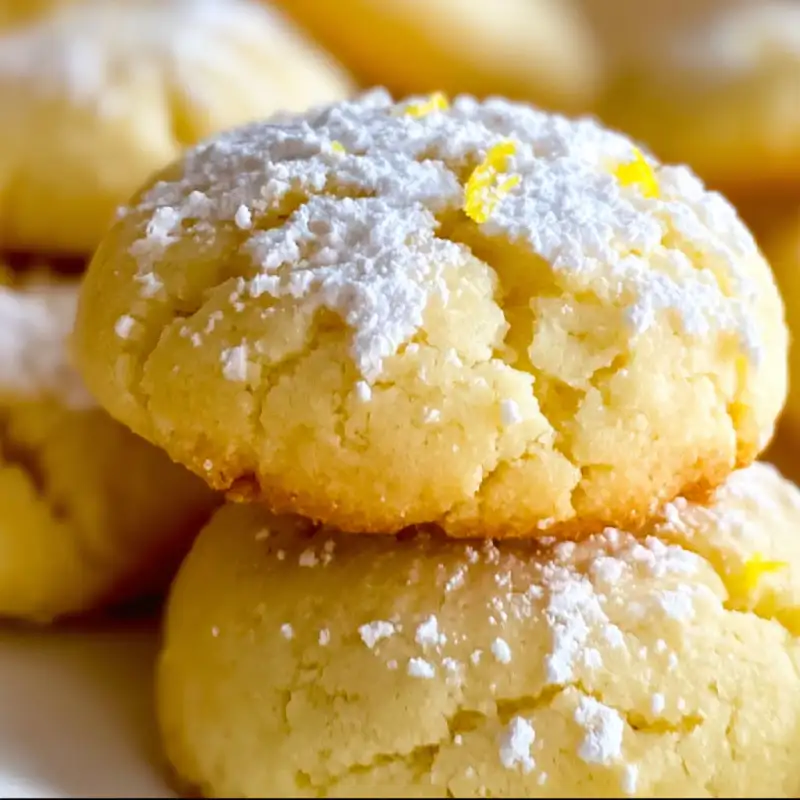
Limoncello Cookies: Delicious Recipe Guide
Imagine biting into a cookie that instantly transports you to the sun-drenched Amalfi Coast. That’s the magic of these Limoncello Cookies! They’re soft, chewy, bursting with vibrant citrus, and have a melt-in-your-mouth texture that’s simply irresistible. Forget dry, crumbly cookies – these are buttery dreams glazed with even more limoncello goodness. Whether you’re a seasoned baker or just starting, this recipe is designed to deliver pure lemon bliss. For more delightful baking adventures, See more easy recipes and expand your culinary repertoire!
Table of Contents
- Introduction to Irresistible Limoncello Cookies
- How This Limoncello Cookie Recipe Works
- Key Ingredients and Smart Substitutions
- Step-by-Step Instructions for Limoncello Cookie Success
- Expert Tips for Perfect Limoncello Cookies Every Time
- What to Serve with Limoncello Cookies
- Storing and Reheating Your Limoncello Cookies
- Limoncello Cookie FAQs
Introduction to Irresistible Limoncello Cookies
My journey to crafting the perfect batch of Limoncello Cookies began years ago during a trip through Italy. The bright, sweet-tart notes of limoncello captured my heart, and I knew I had to translate that sunshine into an edible form. After countless experiments, tweaks, and taste-tests (a tough job, but someone has to do it!), I finally landed on this recipe. It’s a true celebration of citrus, balanced beautifully with a buttery, tender crumb.
Why These Limoncello Cookies Are a Must-Bake
These aren’t just any lemon cookies; they’re an experience. The vibrant limoncello infuses both the cookie dough and the glaze, creating a multi-layered flavor profile that’s truly addictive. Their soft, almost cake-like texture, combined with that intense lemon zing, makes them stand out from the crowd. They are perfect for gifting, entertaining, or simply treating yourself to a taste of Italian luxury.
How This Limoncello Cookie Recipe Works
Understanding the science behind these cookies is key to their success. Every ingredient and step plays a vital role in achieving that perfect balance of flavor and texture.
Achieving the Perfect Soft, Chewy Texture
The secret to their incredible texture lies in a specific ratio of wet to dry ingredients, along with careful mixing. We’re aiming for a cookie that’s substantial enough to hold its shape but delicate enough to practically melt in your mouth. Overmixing, as you’ll learn, is the enemy of tenderness!
Balancing Sweetness with Zesty Limoncello Flavor
Limoncello is potent, so balancing its sweetness and tartness with the sugar in the dough is crucial. A dual approach of incorporating limoncello into the dough and then drizzling it into a glaze ensures every bite delivers that signature bright, lemony punch without being overpowering or too sweet.
The Glaze: Essential for Brightness and Moisture
Do not skip the glaze! It’s not just for aesthetics; it provides an extra layer of limoncello flavor and, perhaps more importantly, locks in moisture. This sugary, boozy coating keeps the cookies delightfully soft for days and adds a beautiful sheen that makes them utterly irresistible.
Key Ingredients and Smart Substitutions
Here is what you need and why:
Unlocking Flavor: Limoncello and Lemon Zest: The star of the show! Use a good quality limoncello for the best flavor; you can often find excellent options at most liquor stores or even make your own. Fresh lemon zest provides an additional layer of bright citrus flavor, boosting the limoncello notes. For a non-alcoholic version, you can substitute limoncello with lemon juice mixed with a little lemon extract and simple syrup, though the depth of flavor will subtly change.
Flour Power: All-Purpose vs. Cake Flour Options: All-purpose flour works beautifully for a traditional cookie texture. If you desire an even softer, more tender, and cake-like crumb, you can substitute a portion of the all-purpose flour for cake flour. For every cup of all-purpose flour, remove 2 tablespoons and replace it with 2 tablespoons of cornstarch for a DIY cake flour.
Fat Matters: Butter vs. Margarine vs. Shortening: Unsalted butter is my preferred choice for its rich flavor and tenderizing properties. If using salted butter, reduce the added salt in the recipe. Margarine can be used as a substitute, but it may affect the flavor and texture slightly due to its higher water content. Shortening will produce a very soft cookie but lacks the butter flavor, so I advise against it for this recipe.
Sweeteners: Granulated vs. Powdered Sugar for Texture: Granulated sugar in the dough provides structure and chew, while powdered sugar in the glaze gives that smooth, quick-setting finish. Using powdered sugar in the dough itself would make the cookies too delicate and crumbly.
Leavening Agents: Baking Powder’s Role: Baking powder is our primary leavening agent here, providing lift and creating that desirable soft, slightly puffy texture. Ensure it’s fresh for optimal results; old baking powder can lead to flat cookies.
Step-by-Step Instructions for Limoncello Cookie Success
Follow these step-by-step photos:
1. Prepare Your Dough: Creaming Butter and Sugar
In a large mixing bowl, cream together the softened unsalted butter and granulated sugar until light, fluffy, and pale in color. This process incorporates air, which is crucial for a tender cookie. Scrape down the sides of the bowl frequently to ensure everything is evenly combined.
2. Add Wet Ingredients: Limoncello and Eggs
Crack in your egg and add the limoncello and vanilla extract. Beat until just combined; the mixture might look slightly curdled at this point, but don’t worry, it will come together once the dry ingredients are added. Add the lemon zest and mix lightly.
3. Incorporate Dry Ingredients: Mixing to Perfection
In a separate bowl, whisk together the all-purpose flour, baking powder, and salt. Gradually add the dry ingredients to the wet ingredients, mixing on low speed until just combined. Overmixing will develop the gluten in the flour, leading to tough cookies. Stop as soon as no dry streaks of flour remain.
4. Chill the Dough: The Secret to Shape and Flavor
Cover the dough with plastic wrap and refrigerate for at least 1 hour, or up to overnight. Chilling allows the butter to re-solidify, preventing the cookies from spreading too much, and deepens the flavors. Trust me, this step is non-negotiable for perfectly shaped and flavored cookies!
5. Baking the Cookies: Timing for Optimal Texture
Preheat your oven to 375°F (190°C) and line baking sheets with parchment paper. Scoop out rounded tablespoons of chilled dough and place them about 2 inches apart on the prepared baking sheets. Bake for 9-12 minutes, or until the edges are lightly golden and the centers are just set but still slightly soft. Do not overbake! Allow them to cool on the baking sheet for 5 minutes before transferring to a wire rack.
6. Crafting the Limoncello Glaze: The Finishing Touch
While the cookies cool, whisk together the powdered sugar and limoncello in a small bowl until smooth. You want a glaze that’s thick enough to coat a spoon but still pourable. If it’s too thick, add a tiny bit more limoncello; if too thin, add a little more powdered sugar. Once the cookies are completely cool, dip the tops into the glaze or drizzle it over them. Let the glaze set before serving, which usually takes about 30 minutes. The King Arthur Baking website offers some great tips for achieving the perfect glaze consistency!
Expert Tips for Perfect Limoncello Cookies Every Time
- Don’t Overmix the Dough: Prevent Tough Cookies. Once you add the flour, mix only until just combined. Overmixing develops gluten, leading to a tough, chewy cookie instead of a tender one.
- Chill Time is Crucial: Why It Matters. Don’t skip chilling the dough! It helps solidify the butter, preventing excessive spreading, and allows the flavors (especially the limoncello) to meld and deepen.
- Even Scooping for Consistent Baking. Use a cookie scoop (about 1.5 tablespoons) to ensure all your cookies are the same size. This guarantees even baking and a beautiful, consistent final product.
- Knowing When Your Cookies Are Done. Look for lightly golden edges and centers that appear set but still slightly soft. They will continue to set as they cool on the baking sheet. A pale center is okay!
- Glazing Warm vs. Cool Cookies. For the best results and a smooth, elegant glaze, ensure your cookies are completely cool before glazing. Glazing warm cookies will cause the glaze to melt and run off.
What to Serve with Limoncello Cookies
Coffee and Tea Pairings
These Limoncello Cookies are divine with a robust cup of freshly brewed coffee, cutting through the sweetness, or a delicate cup of Earl Grey tea, which complements the citrus notes beautifully. For a refreshing afternoon treat, serve them alongside iced tea.
Dessert Wine and Liqueur Companions
To truly elevate the experience, pair these cookies with a small pour of chilled limoncello itself, or a light Prosecco for a bubbly counterpoint. A Moscato d’Asti would also be a fantastic sweet wine pairing.
Fruit and Cream Additions
Consider serving them alongside a bowl of fresh berries (strawberries, blueberries, or raspberries) or a dollop of lightly sweetened whipped cream. The freshness of the fruit and the lightness of the cream enhance the cookies beautifully.
Storing and Reheating Your Limoncello Cookies
Room Temperature Storage for Freshness
Store your glazed Limoncello Cookies in an airtight container at room temperature for up to 3-4 days. Placing a slice of bread in the container can sometimes help keep them softer, though with the glaze, they tend to stay quite fresh on their own.
Freezing Dough and Baked Cookies for Later
You can freeze the unbaked cookie dough for up to 3 months. Form it into balls, place on a baking sheet, freeze until solid, then transfer to a freezer-safe bag. Bake from frozen, adding a couple of minutes to the baking time. Baked and glazed cookies can also be frozen for up to 2 months. Place them in a single layer in an airtight container with parchment paper between layers, then thaw at room temperature.
Reviving Stale Cookies
If your cookies start to lose their freshness, a quick zap in the microwave for 5-10 seconds can often revive their soft texture, making them warm and delicious again.
Limoncello Cookie FAQs
Can I Make These Cookies Without Alcohol?
Why Are My Cookies Spreading Too Much?
How Long Do Limoncello Cookies Last?
Can I Add Other Flavorings?
Irresistible Limoncello Cookies
- Total Time: 47 minute
- Yield: 24 cookies 1x
Description
These soft, chewy Limoncello Cookies are bursting with vibrant citrus flavor, enhanced by a luscious limoncello glaze. They are perfectly balanced, making them a delightful treat for any occasion.
Ingredients
- 1 cup (226g) unsalted butter, softened
- 1 cup (200g) granulated sugar
- 1 large egg
- 1/4 cup (60ml) limoncello liqueur
- 1 teaspoon vanilla extract
- Zest of 1 large lemon
- 2 1/2 cups (300g) all-purpose flour
- 1 teaspoon baking powder
- 1/2 teaspoon salt
- For the Glaze:
- 2 cups (240g) powdered sugar
- 3–4 tablespoons limoncello liqueur
Instructions
- 1. Cream Butter and Sugar: In a large bowl, cream together the softened butter and granulated sugar until light and fluffy (2-3 minutes).
- 2. Add Wet Ingredients: Beat in the egg, 1/4 cup limoncello, vanilla extract, and lemon zest until just combined.
- 3. Combine Dry Ingredients: In a separate bowl, whisk together the flour, baking powder, and salt. Gradually add the dry ingredients to the wet, mixing on low speed until just combined. Do not overmix.
- 4. Chill Dough: Cover the dough and refrigerate for at least 1 hour, or up to overnight.
- 5. Preheat Oven & Scoop: Preheat oven to 375°F (190°C). Line baking sheets with parchment paper. Scoop rounded tablespoons of dough onto baking sheets, spacing them 2 inches apart.
- 6. Bake Cookies: Bake for 9-12 minutes, or until edges are lightly golden and centers are set but still soft. Let cool on the baking sheet for 5 minutes, then transfer to a wire rack to cool completely.
- 7. Prepare Glaze: Whisk powdered sugar and 3-4 tablespoons limoncello until smooth. Adjust liquid or sugar for desired consistency.
- 8. Glaze Cookies: Once cookies are completely cool, dip or drizzle with the limoncello glaze. Let set before serving.
- Prep Time: 20 mins
- Cook Time: 10-12 mins