


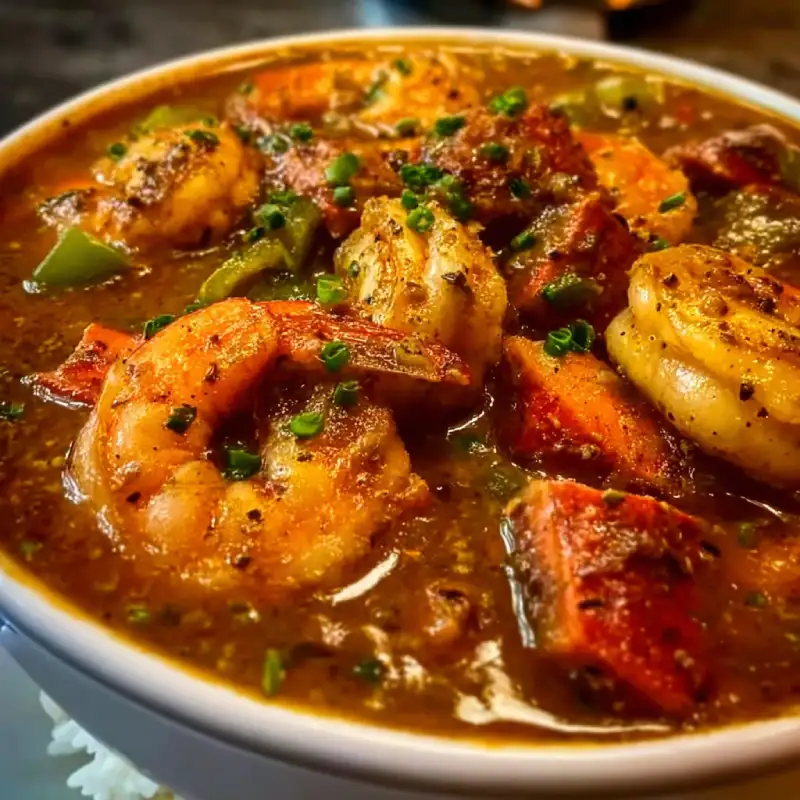
Louisiana Seafood Gumbo: 10 Delicious & Easy Home Recipes
Table of Contents
- Introduction: The Soul of Louisiana Cuisine
- Why You’ll Love These 10 Easy Gumbo Recipes
- Dive into Louisiana Seafood Gumbo: 10 Delicious & Easy Home Recipes
- Essential Ingredients for Authentic Seafood Gumbo
- Step-by-Step: Classic Shrimp & Crab Gumbo (Example Recipe)
- Expert Tips for Gumbo Success
- Serving Suggestions & Perfect Pairings
- Frequently Asked Questions (FAQ)
- Conclusion: Enjoy Your Homemade Gumbo!
Welcome to the heart of Southern comfort! Today, we’re diving deep into the world of Louisiana Seafood Gumbo: 10 Delicious & Easy Home Recipes that will bring the vibrant flavors of the Bayou right to your kitchen. Gumbo, a culinary masterpiece, stands as a testament to Louisiana’s rich cultural heritage, blending French, Spanish, African, and Native American influences into one soulful bowl.
There’s nothing quite like a steaming pot of homemade gumbo, simmering on the stove, filling your home with an irresistible aroma. It’s more than just a dish; it’s an experience, a celebration of community and tradition. Get ready to embark on a flavorful journey!
Introduction: The Soul of Louisiana Cuisine
Gumbo is undeniably the soul food of Louisiana, a staple that transcends generations and occasions. Whether it’s a family gathering, a holiday feast, or just a cozy weeknight meal, gumbo holds a special place in the hearts of Louisianans and food lovers worldwide.
Its complexity comes from simple, wholesome ingredients transformed through patient cooking. Every spoonful tells a story of Creole and Cajun traditions, making it a truly unique culinary art form. Mastering gumbo is a rewarding endeavor for any home cook.
Why You’ll Love These 10 Easy Gumbo Recipes
We understand that making gumbo can seem intimidating, but it doesn’t have to be! This collection focuses on making the authentic flavors of Louisiana seafood gumbo accessible to everyone. Our recipes are designed to be delicious, easy to follow, and yield fantastic results every time.
You’ll find options ranging from classic shrimp and crab to variations that might surprise and delight your palate. These recipes prioritize flavor without demanding hours of complex preparation. Get ready to impress your family and friends with your newfound gumbo-making skills!
Dive into Louisiana Seafood Gumbo: 10 Delicious & Easy Home Recipes
While we can’t list all 10 recipes here, we’ll provide a classic example and discuss how to adapt it to create many variations. The core principles remain the same: a deep, flavorful roux, the “holy trinity” of vegetables, and fresh seafood. This approach allows for endless creativity in your own kitchen.
For more detailed insights into various regional styles and ingredients, Read our in-depth guide here.
Essential Ingredients for Authentic Seafood Gumbo
To create a truly authentic experience, sourcing fresh, quality ingredients is key. Here’s what you’ll typically need for a delicious homemade seafood gumbo:
- Seafood: Shrimp (peeled & deveined), crab (lump crab meat or crab legs), oysters (optional), fish (firm white fish like snapper or cod, optional).
- Roux Ingredients: All-purpose flour, vegetable oil or bacon fat.
- Holy Trinity: Diced yellow onions, celery, and green bell peppers.
- Aromatics: Minced garlic.
- Liquid: Seafood stock or chicken stock (or a mix), water.
- Seasonings: Cajun or Creole seasoning blend, bay leaves, smoked paprika, thyme, salt, black pepper, cayenne pepper (to taste).
- Optional Thickener: Filé powder (sassafras leaves, added at the end, off heat).
- Garnish: Fresh parsley, sliced green onions.
Crafting the Perfect Roux: Your Gumbo’s Foundation
The roux is the heart and soul of any good gumbo. It’s a mixture of fat and flour cooked together until it reaches a rich, dark brown color. This process adds incredible depth of flavor and acts as a thickening agent.
Patience is paramount when making a gumbo roux. Stir constantly over medium heat to prevent burning, aiming for a color similar to milk chocolate or even darker. This step truly sets the stage for your flavorful gumbo.
Step-by-Step: Classic Shrimp & Crab Gumbo (Example Recipe)
Let’s make a classic shrimp and crab gumbo, a favorite among easy gumbo recipes. This recipe serves 6-8 people and is sure to become a family favorite.
Ingredients:
- 1 cup vegetable oil
- 1 cup all-purpose flour
- 2 large yellow onions, diced
- 2 celery stalks, diced
- 1 large green bell pepper, diced
- 4 cloves garlic, minced
- 8 cups seafood stock
- 1 (14.5 ounce) can diced tomatoes (optional, for Creole style)
- 2 bay leaves
- 1 tbsp Cajun or Creole seasoning (plus more to taste)
- 1 tsp dried thyme
- 1 lb medium shrimp, peeled and deveined
- 1 lb lump crab meat (or 1 lb crab legs, cooked and shelled)
- Salt and freshly ground black pepper to taste
- Fresh parsley and green onions, chopped, for garnish
- Cooked white rice, for serving
Instructions:
- Make the Roux: In a large, heavy-bottomed pot or Dutch oven, heat the vegetable oil over medium heat. Gradually whisk in the flour until smooth. Cook, stirring constantly, for 30-45 minutes, until the roux turns a rich, dark brown color (like milk chocolate or darker). Be patient and don’t rush this step!
- Add the Holy Trinity: Once your roux is ready, immediately add the diced onions, celery, and bell pepper. Cook, stirring frequently, until the vegetables soften, about 8-10 minutes.
- Add Garlic and Seasonings: Stir in the minced garlic, Cajun/Creole seasoning, and thyme. Cook for another 2 minutes until fragrant.
- Introduce Liquid: Slowly whisk in the seafood stock, a cup at a time, ensuring it’s fully incorporated before adding more to prevent lumps. Add the diced tomatoes if using, and the bay leaves. Bring to a boil, then reduce heat to low, cover, and simmer for at least 45 minutes, or up to 2 hours, allowing the flavors to meld. Stir occasionally to prevent sticking.
- Add Seafood: About 10-15 minutes before serving, increase the heat to medium-low. Add the shrimp and crab meat. Cook until the shrimp turn pink and opaque, about 5-7 minutes. Do not overcook the seafood.
- Season and Serve: Remove bay leaves. Taste and adjust seasonings with salt, pepper, and more Cajun seasoning if needed. Serve hot over steamed white rice, garnished with fresh parsley and green onions.
Variations & Customizations: Your Gumbo, Your Way
The beauty of gumbo lies in its versatility. Once you master the basic technique, feel free to experiment:
- Smoky Kick: Add sliced Andouille sausage or tasso ham along with the holy trinity for a smoky flavor.
- Chicken & Sausage: Omit seafood and use cooked chicken (rotisserie chicken works great!) and sausage.
- Okra: For a traditional Creole touch and natural thickening, add sliced fresh or frozen okra along with the stock.
- Oyster Gumbo: Add shucked oysters during the last 5 minutes of cooking.
- Different Seafood: Incorporate firm white fish, mussels, or scallops.
Explore resources like the Louisiana Tourism website for more authentic insights into regional gumbo styles.
Expert Tips for Gumbo Success
Achieving gumbo greatness is all about a few key techniques and a little love:
- Patience with the Roux: This is the most critical step. Don’t rush it! A darker roux yields a deeper flavor.
- Low and Slow Simmer: Gumbo flavors develop over time. A long, gentle simmer allows all the ingredients to meld beautifully.
- Don’t Overcook Seafood: Seafood cooks quickly. Add it towards the end of the cooking process to keep it tender and flavorful.
- Season Gradually: Different stocks and seasonings have varying salt levels. Taste and adjust as you go.
- Filé Powder: If using, stir it in *after* removing the gumbo from the heat. Boiling filé powder can make it stringy.
Serving Suggestions & Perfect Pairings
Gumbo is typically served in a bowl over a scoop of fluffy white rice. The rice soaks up the rich broth, making each bite incredibly satisfying. For a complete meal, consider these pairings:
- Crusty French Bread: Perfect for soaking up every last drop of the delicious gravy.
- Potato Salad: A surprising but traditional pairing in some parts of Louisiana, offering a cool contrast.
- Cornbread: Another classic Southern accompaniment.
- Green Salad: A simple, light salad can provide a refreshing balance to the rich gumbo.
- Beverages: Iced tea, beer, or a crisp white wine complement the flavors wonderfully.
Frequently Asked Questions (FAQ)
What is the difference between Cajun and Creole gumbo?
Cajun gumbo typically features a dark roux and often includes meat like chicken and sausage, with little to no tomatoes. Creole gumbo, on the other hand, often has a lighter roux, commonly includes tomatoes, and frequently showcases a wider variety of seafood. Both are delicious variations of Louisiana seafood gumbo.
Can I make gumbo ahead of time?
Absolutely! Gumbo often tastes even better the next day as the flavors have more time to meld. You can prepare the base (roux and broth) in advance and add the seafood closer to serving time to ensure it doesn’t overcook. Reheat gently on the stove.
What is filé powder and is it necessary?
Filé powder, made from ground sassafras leaves, is a traditional seasoning and thickening agent for gumbo. It adds an earthy, distinctive flavor. While not strictly necessary (the roux provides thickening), many consider it essential for an authentic taste. Add it off the heat, just before serving, to prevent stringiness.
Conclusion: Enjoy Your Homemade Gumbo!
There you have it – your guide to creating incredible Louisiana Seafood Gumbo at home. We hope these 10 delicious and easy recipes inspire you to get cooking and explore the rich culinary landscape of Louisiana. Remember, gumbo is a dish made with love, patience, and a dash of personal flair.
So gather your ingredients, take your time with that roux, and prepare to savor one of the world’s most comforting and flavorful dishes. Enjoy the process, and most importantly, enjoy eating your magnificent homemade gumbo!