


Table of Contents
- Intro: My Weeknight Savior, Your New Favorite Meal
- How This One-Pot Pasta Works (The Magic Behind the Flavor)
- Ingredients and Smart Substitutions
- Step-by-Step Instructions: Your Visual Walkthrough
- Expert Tips for One-Pot Pasta Success
- What to Serve With Your Spring Pasta
- Storing and Reheating Your Leftovers
- Frequently Asked Questions About One-Pot Pasta
Intro: My Weeknight Savior, Your New Favorite Meal
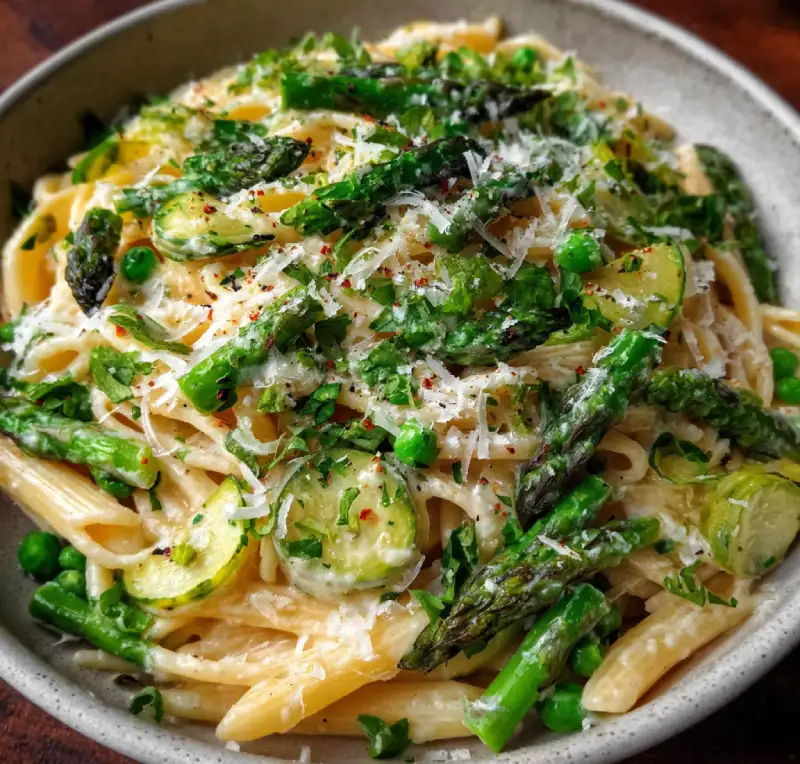
Imagine a vibrant, creamy pasta dish bursting with fresh spring flavors, all magically coming together in a single pot. No multiple pans, no draining, just pure, unadulterated deliciousness! This One-Pot Spring Vegetable Pasta isn’t just a recipe; it’s an absolute lifesaver on busy weeknights, offering a symphony of tender-crisp vegetables and perfectly al dente pasta enveloped in a luscious, savory sauce. It’s the kind of meal that makes you feel like a culinary genius without breaking a sweat, delivering comfort and freshness in every single bite. If you’re looking for more incredibly easy and satisfying meals, you’ll find plenty of inspiration at mycakesrecipes.com.
Simplify Dinner Tonight: One-Pot Spring Vegetable Pasta
Forget the endless sink full of dishes! This recipe streamlines your cooking process without sacrificing an ounce of flavor. The genius lies in how the pasta cooks directly in the sauce, absorbing every nuanced ingredient and thickening the liquid into a silky, savory dream. It’s truly a game-changer for those evenings when time is short but your craving for something homemade and nourishing is strong.
Why I Love This Recipe (And You Will Too!)
- Unbeatable Flavor: The pasta absorbs all the delicious broth and vegetable juices, resulting in a deeply savory and cohesive dish.
- Minimal Cleanup: One pot, people! That means less scrubbing and more time enjoying your fantastic meal.
- Customizable for Any Season: While we’re highlighting spring veggies, this method is incredibly versatile for whatever produce is in season (or whatever you have on hand!).
- Quick & Easy: From start to finish, you’re looking at under 30 minutes, making it perfect for those frantic weeknights.
How This One-Pot Pasta Works (The Magic Behind the Flavor)
This isn’t just throwing ingredients into a pot; there’s a method to the magic of this One-Pot Spring Vegetable Pasta that ensures every element shines.
Pasta Cooks Directly in the Sauce for Maximum Flavor Absorption
This is the core of the one-pot wonder! As the pasta cooks, it releases starch into the cooking liquid. This starch, combined with the broth and other ingredients, creates a naturally creamy and flavorful sauce. The pasta itself soaks up all those fantastic flavors, making every bite incredibly delicious and infused.
Vegetables Retain Crispness with Layered Addition
The key to perfectly cooked vegetables – not mushy, but tender-crisp – is strategic layering. We add heartier vegetables first, allowing them a head start, and then incorporate more delicate greens later in the cooking process. This ensures everything reaches its ideal texture at the same time.
Creamy Sauce Develops Naturally, No Extra Steps
Thanks to the starch released by the pasta, and a touch of cream or milk at the end, a rich, velvety sauce forms without the need for a separate roux or thickening agent. It’s effortlessly luxurious!
Minimal Cleanup, Maximum Taste
Let’s be honest, cleaning up is often the worst part of cooking. With this one-pot method, you seriously reduce the number of dishes, leaving you more time to savor your culinary creation.
Ingredients and Smart Substitutions
Here is what you need and why:
The Pasta: Why Short Pasta Works Best: For One-Pot Spring Vegetable Pasta, short, sturdy pasta shapes like penne, fusilli, orecchiette, or rotini are ideal. They stand up well to simmering, cook evenly, and their nooks and crannies are perfect for grabbing onto that luscious sauce and flavorful veggies. Long, thin pastas can sometimes clump or break easily in this method. For a gluten-free option, ensure your chosen brand has a good reputation for holding its shape through cooking.
The Vegetables: Essential Spring Produce & Flexible Swaps: This recipe truly celebrates spring! Think vibrant asparagus, sweet green peas (fresh or frozen), tender baby spinach, and perhaps some sliced leeks or spring onions. Don’t be afraid to customize! Broccolini, snap peas, finely chopped bell peppers, or even quartered cherry tomatoes would also work beautifully. An excellent resource for seasonal produce ideas and cooking techniques is Food Network’s vegetable recipe collection.
Aromatics & Broth: Building the Flavor Foundation: Minced garlic and shallots (or a small onion) are essential for building a deep, aromatic base. Use a high-quality vegetable broth or chicken broth; this is where a lot of your sauce’s flavor will come from. Opt for low-sodium broth so you can control the seasoning.
The Creaminess: Dairy & Dairy-Free Options: A splash of heavy cream, half-and-half, or full-fat coconut milk (for a dairy-free alternative) added at the end makes the sauce wonderfully rich and velvety. Don’t use skim milk, as it can curdle.
Parmesan & Fresh Herbs: Finishing Touches: Grated Parmesan cheese (or a dairy-free alternative) adds a salty, umami depth. Fresh herbs like parsley, chives, dill, or basil brighten the entire dish. Don’t skip these; they awaken the flavors!
Step-by-Step Instructions: Your Visual Walkthrough
Follow these simple steps to create your delicious One-Pot Spring Vegetable Pasta:
1. Sauté Aromatics and Initial Veggies
In a large, deep pot or Dutch oven, heat a tablespoon of olive oil over medium heat. Add your minced shallots (or onion) and cook until softened and fragrant, about 2-3 minutes. Toss in the minced garlic and cook for another minute until aromatic, being careful not to burn it. Add any heartier vegetables like asparagus (cut into 1-inch pieces) or finely sliced leeks and sauté for 3-4 minutes to start softening them. Season lightly with salt and freshly ground black pepper.
2. Add Pasta and Liquid
Stir in your uncooked short pasta directly into the pot with the sautéed aromatics and veggies. Pour in the vegetable or chicken broth, ensuring the pasta is mostly submerged. If it’s not quite covered, add a little extra water or broth until it is. Bring the mixture to a boil, then reduce the heat to a simmer, cover the pot, and cook for about 8-10 minutes, stirring occasionally to prevent sticking.
3. Incorporate Remaining Vegetables
After the initial cooking time for the pasta, stir in the more delicate vegetables like green peas and baby spinach. Continue to simmer, uncovered now, stirring frequently until the pasta is al dente and most of the liquid has been absorbed, about another 3-5 minutes. The sauce should be thickening wonderfully at this stage.
4. Finish with Dairy and Herbs
Remove the pot from the heat. Stir in the heavy cream (or dairy-free alternative), grated Parmesan cheese, and a generous handful of fresh chopped herbs (like parsley and chives). Stir well until the sauce is creamy and all ingredients are combined. Taste and adjust seasoning with additional salt and pepper as needed. Serve immediately.
Expert Tips for One-Pot Pasta Success
- Don’t Overcrowd Your Pot: Use a pot large enough to comfortably hold all ingredients and liquid. Overcrowding can lead to uneven cooking and sticking.
- Stir Frequently to Prevent Sticking: Especially during the simmering phase, stir every few minutes to ensure the pasta doesn’t clump together or stick to the bottom of the pot.
- Adjust Liquid as Needed: The amount of liquid can vary slightly depending on your specific pasta and stove. If the pot seems too dry and the pasta isn’t cooked, add a splash more broth. If it’s too soupy, remove the lid for the last few minutes to allow more evaporation.
- Taste and Adjust Seasoning Throughout: Season your aromatics and initial veggies, and then taste the sauce before serving. Pasta absorbs salt, so you may need to add more at the end.
- Optimal Vegetable Order for Texture: Heartier vegetables (like asparagus, broccoli, carrots) go in earlier. Delicate greens (like spinach, peas, fresh herbs) go in towards the end to avoid overcooking and preserve their freshness and color.
What to Serve With Your Spring Pasta
This One-Pot Spring Vegetable Pasta is a complete meal on its own, but a few additions can elevate the experience:
- Simple Green Salad: A light, crisp green salad with a vinaigrette dressing is the perfect palate cleanser and adds a refreshing crunch.
- Crusty Bread for Dipping: Don’t let a drop of that amazing sauce go to waste! A warm, crusty baguette or artisan bread is fantastic for soaking up every last bit.
- Grilled Chicken or Fish (Optional Protein Boost): For those who desire more protein, a simply grilled salmon fillet, pan-seared chicken breast, or even some shrimp would pair wonderfully with the vibrant flavors of the pasta.
Storing and Reheating Your Leftovers
Making a batch of this One-Pot Spring Vegetable Pasta for leftovers is a brilliant idea!
Best Storage Practices
Allow the pasta to cool completely before transferring it to an airtight container. It will last in the refrigerator for up to 3-4 days. While technically freezable, the vegetables might become a bit softer and the sauce might separate slightly upon thawing, so it’s best enjoyed fresh or from the fridge.
Reheating for Optimal Texture
The key to good leftover pasta is gentle reheating. For individual portions, microwave on medium power, stirring occasionally, until heated through. For a larger batch, reheat gently on the stovetop over low heat. Add a splash of broth, milk, or water to loosen the sauce, as the pasta will absorb more liquid as it sits.
Tips for Freshening Up Day-Old Pasta
If your pasta seems a bit dry, don’t despair! Stir in an extra drizzle of olive oil, a splash of broth, or even a spoonful of cream. A squeeze of fresh lemon juice and a sprinkle of fresh herbs or Parmesan cheese can also work wonders to bring back that fresh, vibrant flavor.
Frequently Asked Questions About One-Pot Pasta
Can I use whole wheat pasta?
What if my sauce is too thick/thin?
Can I make this dairy-free or vegan?
Which vegetables are best for this method?
One-Pot Spring Vegetable Pasta
- Total Time: 30 minutes
- Yield: 4 servings 1x
Description
This incredible one-pot pasta dish combines tender-crisp spring vegetables with al dente pasta in a luscious, creamy sauce, all made in a single pan. It’s the perfect weeknight savior for a delicious and easy meal.
Ingredients
- 1 tbsp olive oil
- 1 shallot, minced (or 1/2 small onion, minced)
- 2 cloves garlic, minced
- 1 lb short pasta (penne, fusilli, rotini)
- 4 cups vegetable or chicken broth (low sodium)
- 1 cup chopped asparagus (1-inch pieces)
- 1/2 cup fresh or frozen green peas
- 2 cups fresh baby spinach
- 1/2 cup heavy cream (or full-fat coconut milk for dairy-free)
- 1/4 cup grated Parmesan cheese (or dairy-free alternative)
- 1/4 cup fresh parsley, chopped
- 2 tbsp fresh chives, chopped
- Salt and freshly ground black pepper to taste
Instructions
- In a large, deep pot or Dutch oven, heat olive oil over medium heat. Add minced shallots and cook until softened (2-3 minutes). Stir in minced garlic and cook for 1 minute until fragrant. Add asparagus and sauté for 3-4 minutes. Season with salt and pepper.
- Stir in uncooked pasta, then pour in broth, ensuring pasta is mostly submerged. Bring to a boil, then reduce heat to a simmer, cover, and cook for 8-10 minutes, stirring occasionally.
- Stir in green peas and spinach. Continue to simmer, uncovered, stirring frequently until pasta is al dente and most liquid is absorbed (3-5 minutes).
- Remove from heat. Stir in heavy cream, Parmesan cheese, parsley, and chives. Taste and adjust seasoning. Serve immediately.
- Prep Time: 10 mins
- Cook Time: 20 mins