


Table of Contents
- Mastering the Japanese Egg Sandwich: A Home Cook’s Guide
- Essential Ingredients & Smart Substitutions
- Step-by-Step: Crafting Your Perfect Japanese Egg Sandwich
- Expert Tips for Japanese Egg Sandwich Success
- Serving Suggestions for Your Japanese Egg Sandwich
- Storing and Reheating Your Japanese Egg Sandwich
- Japanese Egg Sandwich: Your Questions Answered (FAQ)
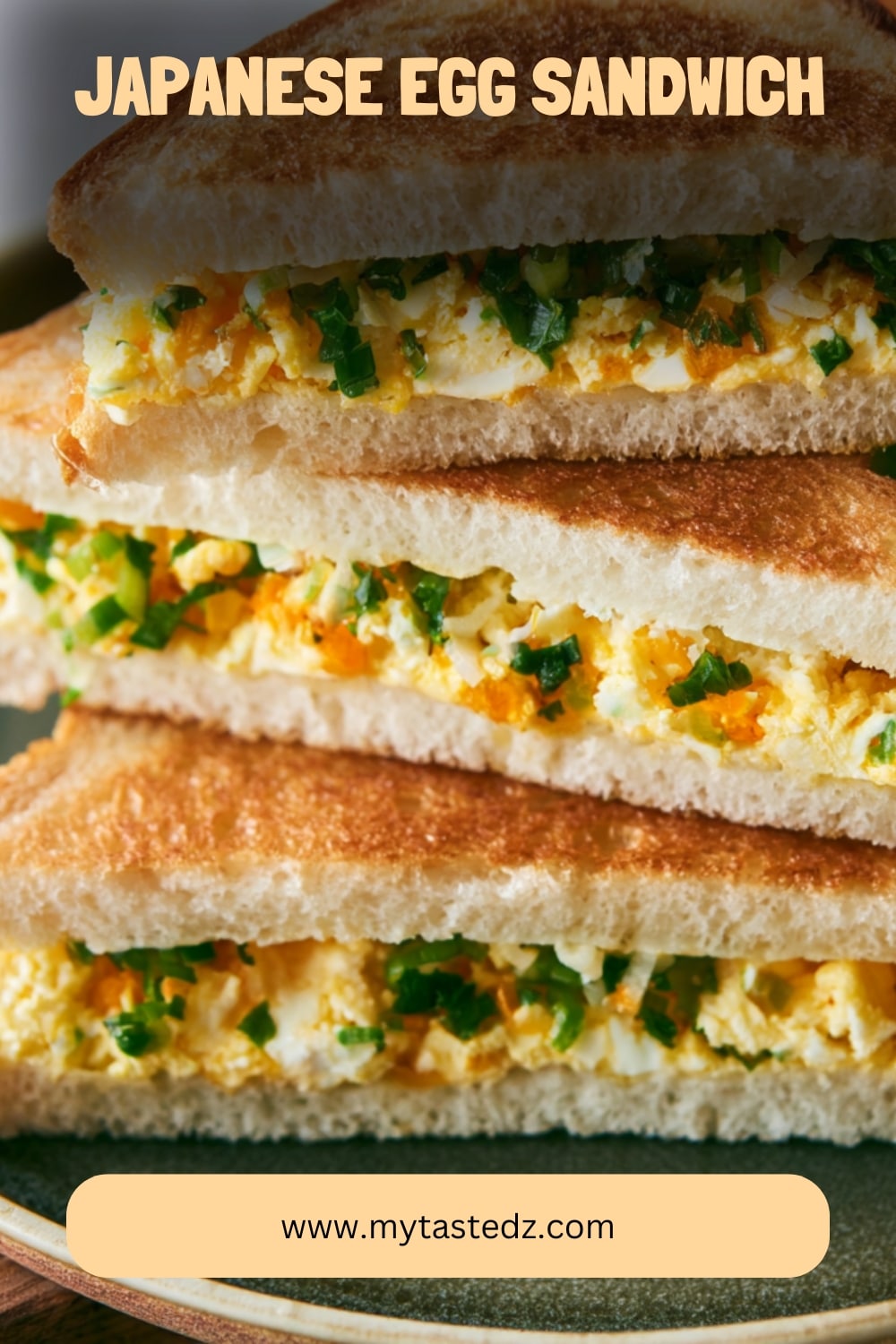
Oh, the elusive Japanese Egg Sandwich! If you’ve ever had the pleasure of biting into one, you know it’s not just any egg sandwich. It’s a symphony of textures and flavors – impossibly soft bread, a rich and creamy filling that melts in your mouth, and a subtle sweetness that leaves you craving more. This isn’t your grandma’s egg salad; this is a culinary masterpiece, perfected down to the last crumb. Get ready to transform humble ingredients into a sandwich experience that’s truly unforgettable. We’re deep-diving into the secrets behind creating that ethereal mouthfeel and umami-packed flavor that makes this Japanese egg sandwich truly shine. See more good recipes here if you’re looking for other culinary adventures, but today, our focus is on mastering this iconic creation.
Mastering the Japanese Egg Sandwich: A Home Cook’s Guide
There’s a reason why the Japanese egg sandwich (Tamago Sando) has captured hearts worldwide. It’s an understated luxury, a comfort food elevated to an art form. This guide is designed to empower every home cook to recreate that magic in their own kitchen.
Why This Japanese Egg Sandwich Recipe Works
- Achieves Perfect Creaminess: We use a combination of mashed yolks and gently folded egg whites to create a filling that is both rich and airy.
- Balances Flavors Beautifully: The interplay of savory egg with the distinct tang and sweetness of Kewpie mayonnaise, plus a touch of seasoning, creates a harmonious taste profile.
- Features Irresistibly Soft Bread: The use of soft, fluffy milk bread (Shokupan) is non-negotiable, providing the ideal tender casing for our delicate filling.
- Simple Yet Sophisticated: While the results are gourmet, the steps are straightforward and achievable for cooks of all levels.
Achieving Silky Smoothness and Rich Flavor
The secret lies in the details: perfectly cooked eggs, the right mayonnaise, and gentle handling. We’ll show you exactly how to get that signature silky texture and deeply satisfying flavor profile that sets the Japanese egg sandwich apart.
Essential Ingredients & Smart Substitutions
Here is what you need and why:
Eggs: The Foundation of Flavor: We’re not just boiling eggs; we’re aiming for that perfect firm-but-creamy yolk. Eggs are truly the star here, so make sure they’re fresh. For an extra rich flavor, try using pasture-raised eggs if available.
Bread: The Crucial Softness of Shokupan: This is a non-negotiable. Traditional Japanese milk bread, or Shokupan, offers unparalleled softness and a slight sweetness that is essential. Look for it at Asian markets or specialty bakeries. If Shokupan is absolutely unavailable, a very soft, white sandwich bread (ensure it’s not too dense) can be a last resort, but it won’t be quite the same.
Mayonnaise: Umami-Rich Kewpie vs. Western Alternatives: Kewpie mayonnaise is a game-changer. Made with only egg yolks (not whole eggs), rice vinegar, and a touch of MSG, it’s richer, tangier, and more umami-forward than conventional Western mayonnaise. This is key to the authentic flavor profile. While you can substitute with a good quality, full-fat Western mayonnaise, try to find Kewpie for the best results. You might need to add a tiny pinch of sugar and a drop of rice vinegar if using Western mayo to get closer to the Kewpie profile.
Seasonings: Salt, Pepper, and Optional Sugar: Simple seasonings are all you need. Fine sea salt and freshly ground black pepper enhance the egg’s natural flavors. Many authentic recipes also include a small pinch of sugar, which balances the tang of the mayonnaise and adds another layer of subtle sweetness, complementing the Shokupan beautifully. Don’t skip it!
Step-by-Step: Crafting Your Perfect Japanese Egg Sandwich
Follow these step-by-step photos:
1. Perfectly Boiling Your Eggs
Place your eggs gently into a saucepan. Cover them with cold water by about an inch. Bring the water to a rolling boil over medium-high heat. Once boiling, immediately turn off the heat, cover the pot, and let sit for exactly 10 minutes for firm but still creamy yolks. Prepare an ice bath. Transfer the eggs to the ice bath using a slotted spoon and let them cool completely for at least 5 minutes. This stops the cooking process and makes them easier to peel. Peel the cooled eggs gently under running water if needed.
2. Preparing the Yolk and Mayonnaise Mix
Carefully separate the yolks from the whites. Place the yolks into a medium-sized mixing bowl. Using a fork, mash the yolks until they are smooth and creamy, with no large lumps. Add the Kewpie mayonnaise, salt, black pepper, and optional pinch of sugar to the mashed yolks. Mix everything thoroughly until well combined and a smooth, rich paste forms. This creates the flavor base for your Japanese egg sandwich.
3. Folding in the Egg Whites
Roughly chop the reserved egg whites. You want some texture, so don’t chop them too finely. Add the chopped egg whites to the yolk and mayonnaise mixture. Using a rubber spatula, gently fold the egg whites into the yolk mixture. Be careful not to overmix or mash them; the goal is to incorporate them while keeping some distinct pieces for textural contrast. The filling should look light and fluffy.
4. Assembling the Sandwich
Take two slices of Shokupan. Spread a generous amount of the egg salad mixture onto one slice of bread, ensuring it reaches almost to the edges. Don’t be shy with the filling! Place the second slice of bread on top, pressing down very gently to create a cohesive sandwich. Repeat with the remaining bread and filling.
5. The Signature Cut
For that iconic convenience store look and perfect presentation, carefully trim off all the crusts from each sandwich using a sharp serrated knife. Then, slice each crustless sandwich diagonally from one corner to the opposite corner, creating two perfect triangles. A very sharp knife is key for clean cuts. For more guidance on achieving super sharp edges, check out this great resource on King Arthur Baking’s guide to slicing bread.
Expert Tips for Japanese Egg Sandwich Success
- Don’t Overcook Your Eggs: Overcooked eggs will result in dry, greenish yolks. Stick to the 10-minute sit time for perfect consistency.
- Chill Your Filling for Best Texture: After mixing the egg salad, chilling it for at least 30 minutes in the refrigerator allows the flavors to meld and the mayonnaise to firm up slightly, making it easier to spread and providing a better eating experience.
- Gentle Handling of Egg Whites: When folding in the egg whites, be delicate. Overmixing will break down their structure and prevent that desirable fluffy texture.
- Crust Removal: Yes or No?: For an authentic Japanese egg sandwich, crust removal is traditional and contributes to the soft, luxurious mouthfeel. However, if you prefer to keep the crusts, feel free to do so – it won’t affect the flavor.
- Pressing for Perfect Presentation: After assembling but before cutting, you can gently press the sandwiches under a light weight (like a cutting board) for 5-10 minutes. This helps the layers adhere better and makes for cleaner cuts.
Serving Suggestions for Your Japanese Egg Sandwich
While delicious on its own, a Japanese egg sandwich can be part of a delightful meal. Here are some ideas:
- Classic Complement: Coffee or Tea: A hot cup of coffee or a soothing green tea perfectly balances the richness of the sandwich.
- Light Sides: Fruit or Salad: A simple side of fresh fruit (like strawberries or orange slices) or a small, lightly dressed green salad adds a refreshing contrast.
- Japanese Inspired Pairings: Consider serving alongside a small bowl of miso soup, a quick cucumber salad dressed with rice vinegar, or even some edamame for a more complete Japanese-inspired meal.
Storing and Reheating Your Japanese Egg Sandwich
The beauty of the Japanese egg sandwich is best enjoyed fresh, but sometimes leftovers happen!
- Optimal Storage for Freshness: Store individual sandwiches wrapped tightly in plastic wrap or in an airtight container in the refrigerator for up to 1-2 days. The bread can start to dry out and the filling can become less vibrant after this time.
- Best Practices for Enjoying Leftovers: These sandwiches are best eaten chilled, straight from the fridge. Reheating is not recommended as it will alter the texture of both the bread and the egg filling, making it less appealing. Plan to consume them cold for the best experience.
Japanese Egg Sandwich: Your Questions Answered (FAQ)
What kind of bread is best for Japanese egg sandwiches?
Can I use regular mayonnaise instead of Kewpie?
How do I prevent my egg salad from being watery?
Can I make Japanese egg sandwiches ahead of time?
What’s the secret to perfectly cooked eggs?
Creamy Japanese Egg Sandwich (Tamago Sando)
- Total Time: 25 minutes
- Yield: 2 sandwiches (4 triangles) 1x
Description
Indulge in the iconic Japanese egg sandwich with impossibly soft milk bread and a rich, creamy egg filling. This recipe delivers authentic flavors and textures that will transport you to a Tokyo convenience store.
Ingredients
- 4 large eggs
- 2 tbsp Kewpie mayonnaise (or quality full-fat mayonnaise)
- 1/4 tsp fine sea salt
- 1/8 tsp black pepper
- Optional: pinch of sugar
- 4 slices Japanese milk bread (Shokupan)
Instructions
- Step 1: Boil the eggs. Place eggs in a saucepan, cover with cold water. Bring to a rolling boil, then turn off heat, cover, and let sit for 10 minutes. Immediately transfer to an ice bath and cool completely.
- Step 2: Peel and separate. Peel the cooled eggs. Carefully separate the yolks from the whites, placing them in separate bowls.
- Step 3: Prepare the yolk mixture. Mash the yolks with a fork until smooth. Add Kewpie mayonnaise, salt, pepper, and optional sugar. Mix until well combined and creamy.
- Step 4: Fold in egg whites. Roughly chop the egg whites into small pieces. Gently fold them into the yolk mixture with a spatula, being careful not to overmix.
- Step 5: Assemble sandwiches. Spread a generous layer of egg salad onto two slices of Shokupan. Top with the remaining bread slices, pressing gently.
- Step 6: Trim and cut. Carefully trim off all crusts from the sandwiches. Slice each sandwich diagonally to create two triangles. Serve immediately or chill briefly.
- Prep Time: 15 mins
- Cook Time: 10 mins