


What Is a Binder in Cooking? (Definition & Purpose)
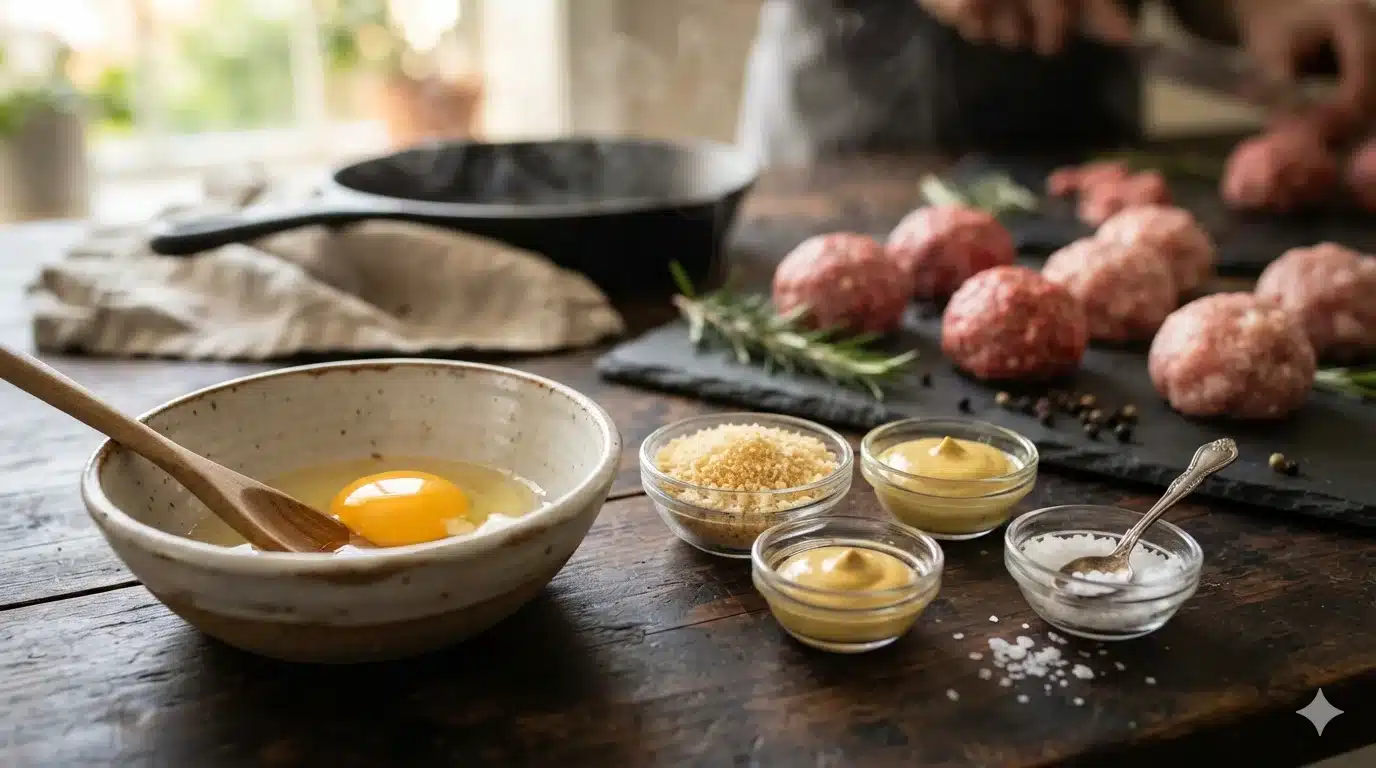
In culinary terms, a binder (or binding agent) is an ingredient added to a mixture to hold separate ingredients together, create structural stability, and prevent food from crumbling or falling apart during the cooking process. Binders work by absorbing excess liquids, coagulating proteins under heat, or creating a cohesive network that locks in moisture and unifies texture.
Whether you are shaping meatballs, baking a cake, or preparing smoked ribs on the grill, binders play three vital roles:
- Structural Integrity: Keeping patties, croquettes, and loaves intact during flipping and slicing.
- Moisture & Flavor Retention: Preventing meat from drying out as fats render during high-heat cooking.
- Surface Adhesion: Helping dry rubs and seasoning blends adhere evenly to raw meats before smoking or roasting.
Common culinary binders range from protein-based ingredients like eggs and gelatin to starches like breadcrumbs and flour, as well as surface adhesives like mustard and oil.
Why Do We Use Binders in Cooking?
While a binder might seem like a minor background ingredient, it plays a critical scientific role in how food cooks, tastes, and feels. Without the right binding agent, even the best cuts of meat or highest-quality baking ingredients can turn into a dry, crumbly, or unappealing dish.
Here are the four primary reasons why chefs and home cooks rely on binders:
1. Holding Ingredients Together (Structural Integrity)
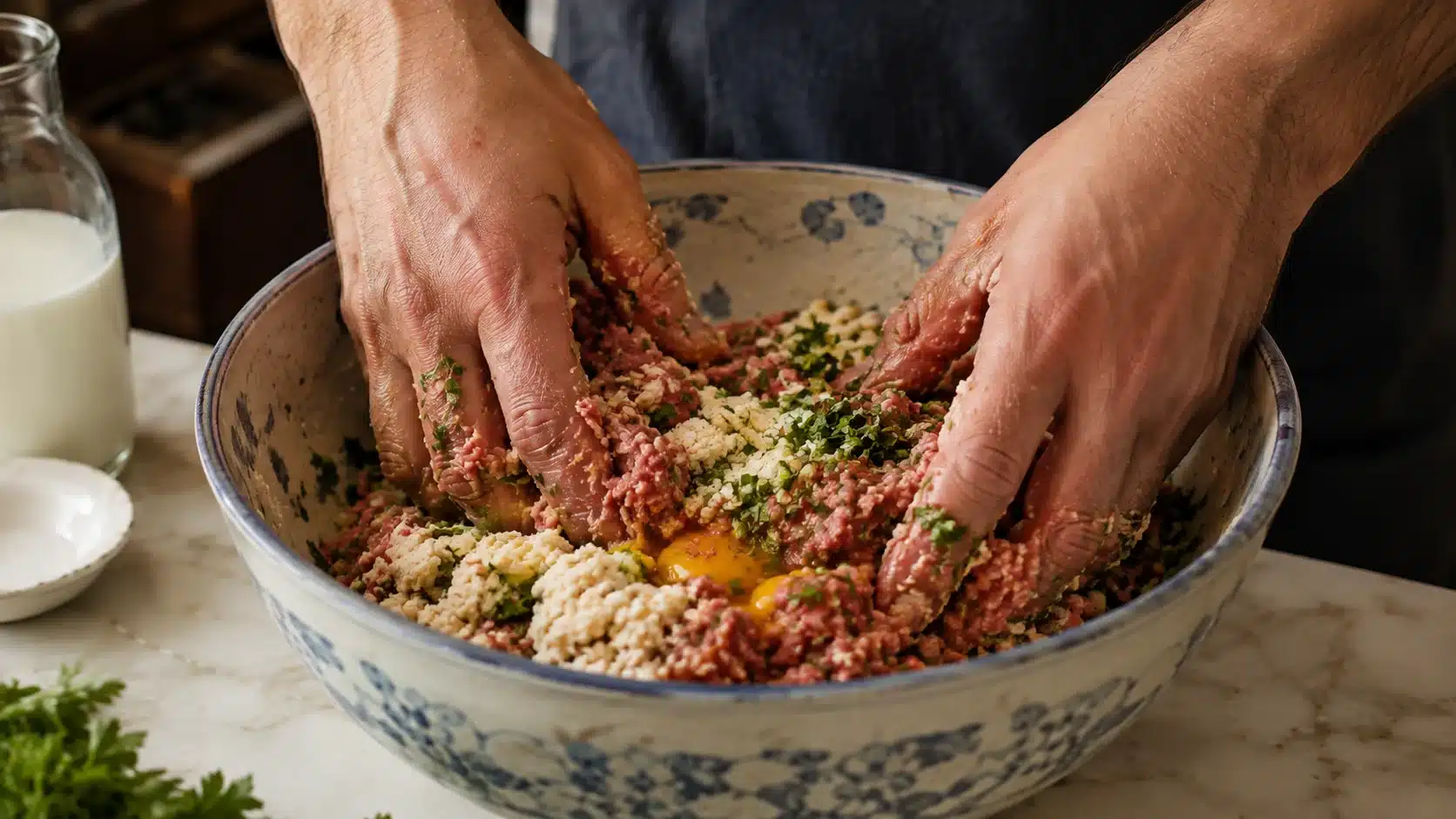
The most fundamental job of a binder is acting as “culinary glue.” When foods are exposed to high cooking temperatures, proteins shrink, steam expands, and fats melt—all of which cause loose mixtures to fall apart.
Binders solve this by forming a stable, solid network under heat:
- Protein binders (like eggs) coagulate as they warm up, locking minced meat, chopped vegetables, or crab meat firmly in place.
- Starch binders (like breadcrumbs or flour) absorb liquid, swell, and create a sticky matrix that binds loose particles together.
Whether you are flipping a burger on a scorching grill, tossing meatballs into simmering sauce, or slicing a delicate meatloaf, a binder ensures your food holds its shape from prep to plate.
2. Retaining Moisture & Juiciness
When meat cooks, its muscle fibers contract and squeeze out natural juices and fats. If there is nothing inside the mixture to catch that moisture, it leaks out into the pan, leaving you with dry, rubbery results.
Binders act like microscopic sponges:
- Starches trap escaping fat and meat juices before they can evaporate.
- Using a classic panade (a mixture of breadcrumbs and milk) creates pockets of moisture throughout ground meat, resulting in exceptionally tender, melt-in-your-mouth textures even after prolonged cooking.
3. Enhancing Texture and Consistency
Beyond simply holding things together, binders define the overall mouthfeel (texture) of a dish.
- Preventing Toughness: Pure ground meat cooked on its own tends to become dense, tight, and tough. Adding a binder softens the protein structure, yielding a soft and yielding bite.
- Creating Uniformity: In baking and casseroles, binders prevent separation, ensuring an even crumb, creamy mouthfeel, and consistent density throughout every bite.
4. Helping Rubs and Seasonings Stick (Surface Adhesion)
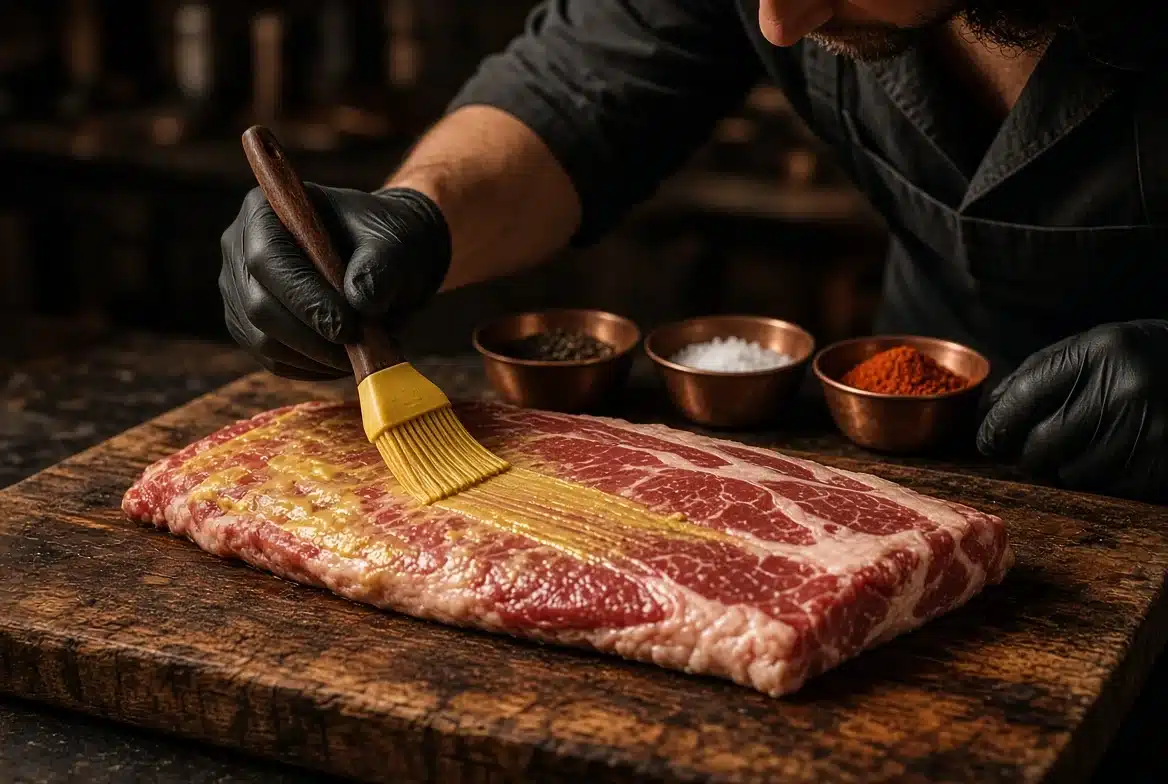
In the world of BBQ, smoking, and roasting, binders serve a completely different, external purpose. Raw, cold meat has a slick surface that often causes dry spices and barbecue rubs to bounce off or slide down.
Applying a thin coat of a surface binder (such as yellow mustard, olive oil, hot sauce, or mayonnaise) accomplishes two things:
- Tackiness: It creates a sticky layer that allows heavy spice rubs to adhere evenly across the entire surface.
- Bark Formation: It helps herbs and spices caramelize properly during low-and-slow smoking, forming that deeply flavorful, coveted outer crust known as the “bark.”
The 4 Main Types of Food Binders
Binders are classified based on their scientific properties and culinary function. Understanding which category to choose depends on whether you need structural cohesion under heat, moisture retention, surface adhesion, or a plant-based alternative.
Here is a breakdown of the four main types of culinary binders:
1. Protein-Based Binders (Eggs, Gelatin, and Dairy)
Protein-based binders are the gold standard for hot dishes because of a process called thermal coagulation. When raw proteins are heated, their folded structures unravel and bond tightly together, transforming from liquid to a firm, solid state.
- Whole Eggs & Egg Whites: The most versatile binder in culinary arts. Egg yolks provide fat and rich moisture, while egg whites deliver pure structural holding power.
- Gelatin & Agar-Agar: Extracted from animal collagen (or seaweed for agar), these form a strong, elastic jelly when cooled.
- Cheese & Dairy Proteins: Melted cheeses (like mozzarella or parmesan) and heavy creams act as both binders and flavor enhancers in bakes and casseroles.
- Best Used For: Meatballs, burger patties, meatloaves, quiches, soufflés, and panna cottas.
2. Starch & Grain Binders (Breadcrumbs, Flour, and Starches)
Starch-based binders rely on gelatinization and high absorption capacity. As starch molecules heat up in the presence of water, they absorb the liquid, swell drastically, and create a thick, sticky network.
- Breadcrumbs (Dry, Fresh, or Panko): Standard breadcrumbs absorb escaping fat and juices, preventing ground meats from shrinking and toughening up.
- Flour & Cornstarch: Essential for thickening sauces, dusting meat, or holding together delicate crab cakes and fritters.
- Rolled Oats & Potato Starch: Fantastic gluten-free-friendly starches that add both structural density and moisture retention.
- Best Used For: Meatloaves, veggie burgers, croquettes, fish cakes, and fried coatings.
3. Plant-Based & Fiber Binders (Flax, Chia, and Aquafaba)
Plant-based binders utilize soluble fiber and specialized proteins to mimic the binding capabilities of eggs, making them indispensable for vegan and allergen-friendly cooking.
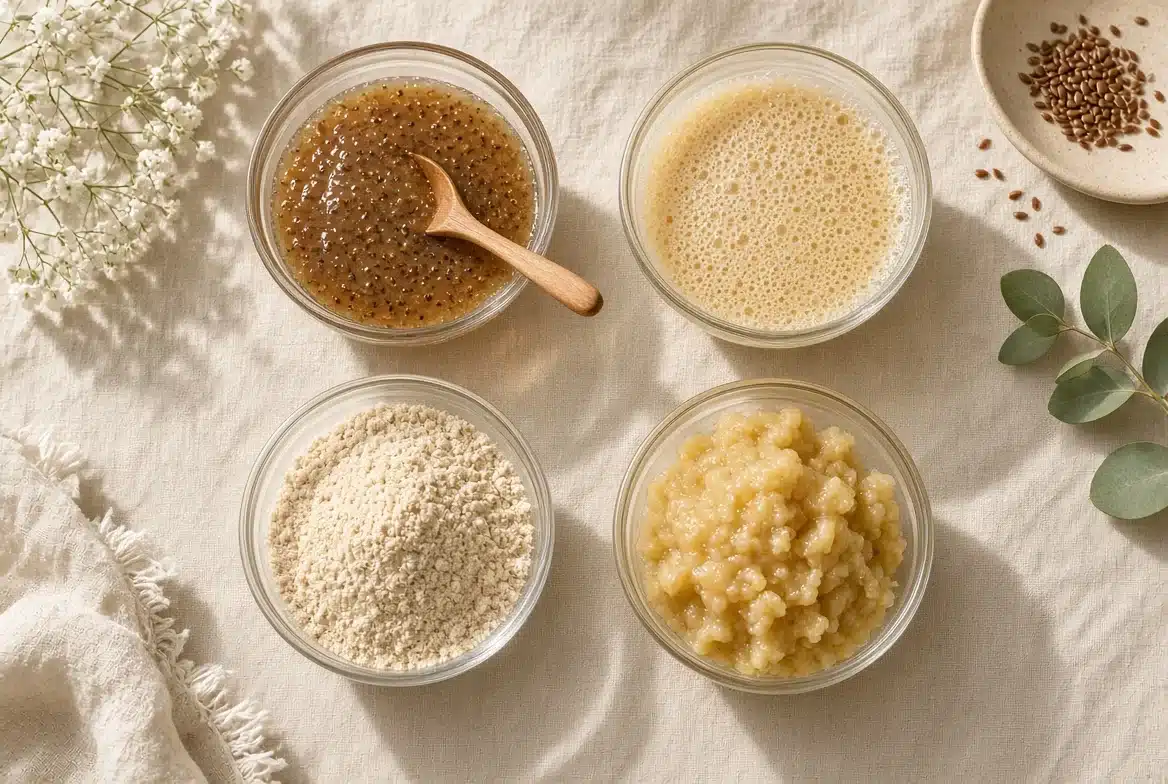
- Flaxseed & Chia Seeds (“Flax Egg / Chia Egg”): When mixed with water (1 tbsp ground seeds + 3 tbsp water), their soluble fibers create a thick, viscous gel (mucilage) that bonds baked goods and veggie patties.
- Aquafaba (Chickpea Liquid): The viscous liquid from canned chickpeas mimics egg whites almost identically and can be whipped to create structure in meringues, batters, and savory mixes.
- Mashed Beans & Cooked Grains: Lentils, black beans, and cooked rice provide a starchy, fibrous mass perfect for holding vegan burger patties together.
- Best Used For: Vegan baking, plant-based burger patties, egg-free fritters, and gluten-free pastries.
4. Fat & Emulsion Binders (Mustard, Mayonnaise, and Oils)
Fat and emulsion-based binders are primarily used for surface adhesion rather than internal structural binding. They provide viscosity and surface tension, allowing seasonings to cling to smooth foods.
- Yellow Mustard & Dijon: The quintessential BBQ binder. Vinegar and emulsified mustard seeds create a tacky surface without altering the final meat flavor.
- Mayonnaise: An emulsion of oil, egg yolk, and acid that holds seasonings on chicken or fish while locking in surface moisture during high-heat searing.
- Olive Oil & Melted Butter: Simple fat layers that help coarse dry rubs, herbs, and breadcrumb coatings stick securely before roasting.
- Best Used For: Smoked brisket, ribs, roasted poultry, grilled seafood, and binder bases for crispy outer crusts.
Quick Comparison: Food Binder Types at a Glance
| Binder Category | Common Examples | How It Works | Best Culinary Applications |
|---|---|---|---|
| Protein-Based | Eggs, Egg whites, Gelatin | Coagulates under heat to form a solid matrix | Meatballs, burgers, quiches, terrines |
| Starch & Grain | Breadcrumbs, Flour, Cornstarch | Absorbs liquid, swells, and creates a sticky gel | Meatloaves, crab cakes, croquettes, gravies |
| Plant & Fiber | Flax seeds, Chia, Aquafaba | Soluble fibers form a thick mucilaginous gel | Vegan baking, plant-based burgers, gluten-free bakes |
| Fat & Emulsion | Mustard, Mayonnaise, Olive oil | Creates surface tackiness for seasoning adhesion | BBQ smoking (brisket/ribs), roasted meats, fish |
What Is a Binder in Meat? (Meatballs, Burgers, and Meatloaf)
When it comes to ground meat dishes—such as meatballs, meatloaf, and certain burger patties—binders are essential for achieving the perfect balance of tenderness, moisture, and structural integrity.
When meat is ground in a grinder, its natural connective muscle fibers are severed. As soon as ground meat hits heat, the individual proteins rapidly tighten and squeeze out natural juices. Without a binding agent to lock that moisture in place and glue the ground particles together, the dish will dry out, shrink drastically, or crumble apart.
The Best Binders for Ground Meat
Not all binders perform the same task in ground meat. Culinary science relies on combining two types of binders: a protein binder (to hold shape) and a starch-liquid binder (to retain moisture).
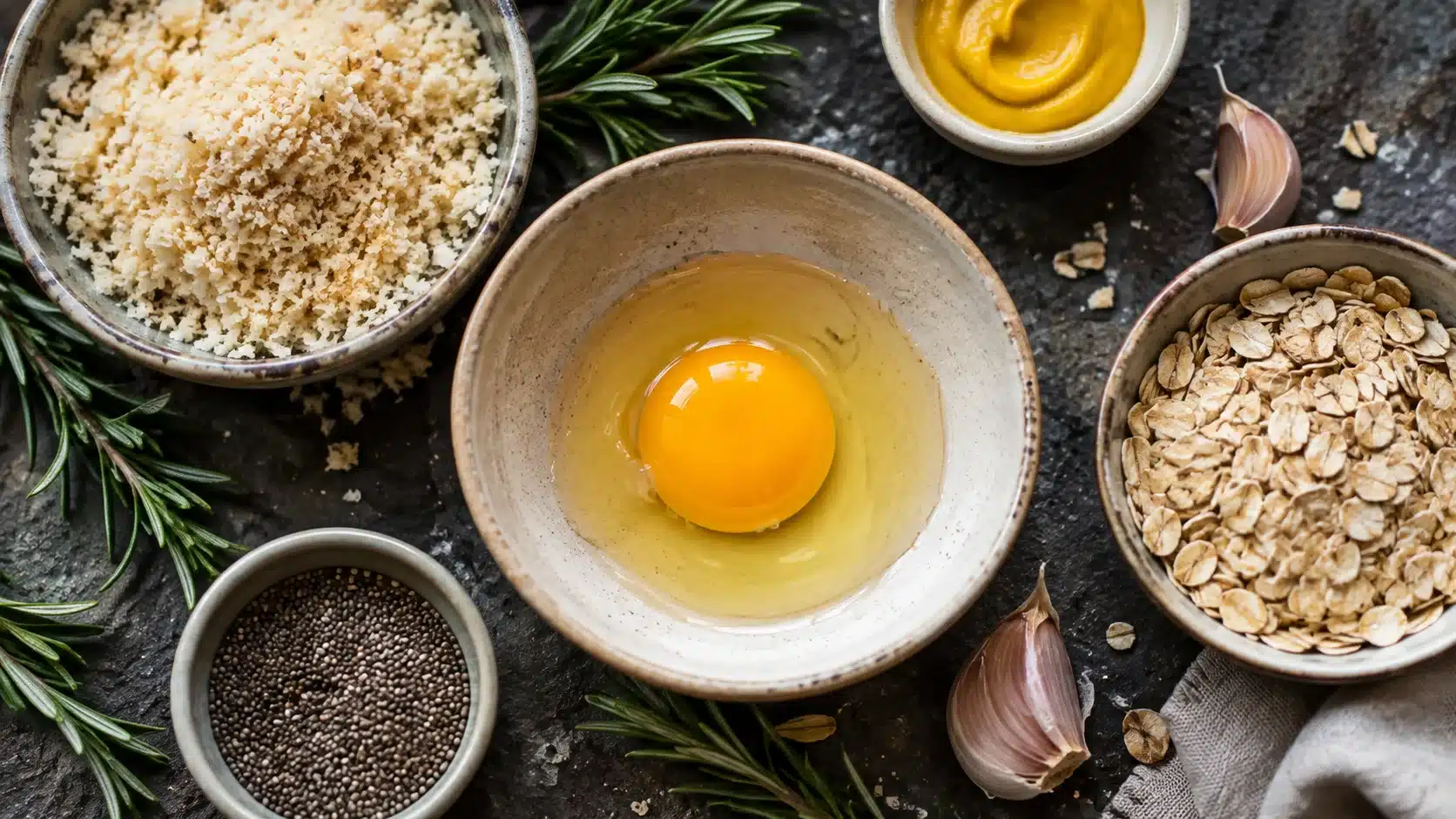
- The Classic Duo (Whole Egg + Breadcrumbs):
- Whole Eggs: The protein in egg whites coagulates during cooking, acting like an invisible net that holds minced meat together. The yolk adds essential fats and richness. binder in cooking
- Breadcrumbs (Panko or Fine Dry Crumbs): Breadcrumbs absorb rendering fats and juices that would otherwise seep out into the pan, keeping the interior tender.
- The Panade Method (The Chef’s Secret for Ultra-Tender Meatballs):
- A panade is a paste made by soaking fresh or stale bread (or panko) in whole milk, buttermilk, or broth for 5–10 minutes.
- Why it works: Starch molecules in the milk-soaked bread form a protective gel around the meat proteins, preventing them from tightening too hard when cooked. This guarantees that meatballs and meatloaf remain incredibly soft, juicy, and melt-in-your-mouth.
- Dairy & Cheese Binders (Ricotta and Parmesan):
- Incorporating whole-milk ricotta or finely grated parmesan cheese into ground beef, pork, or veal adds both moisture and mild binding power while contributing savory umami depth.
What Happens If You Don’t Use a Binder in Meatballs or Burgers?
The necessity of a binder depends largely on what you are making:
- In Meatballs: If you skip the binder in cooking , meatballs will crack, turn dense and rubbery, and frequently disintegrate or melt away when dropped into a simmering tomato sauce.
- In Meatloaf: Without eggs and starches, slicing a cooked meatloaf becomes impossible; it will simply fall apart into loose ground meat instead of clean, hearty slices.
- In Hamburgers (The Exception):
- Traditional beef burgers made from 80/20 ground chuck do NOT require a binder. Natural beef fat and gentle handling are enough to hold a beef patty together on a hot skillet or grill. Adding breadcrumbs or eggs turns a burger into a “mini-meatloaf.”
- However, lean meats (like ground turkey, ground chicken, or lean fish cakes) have very little fat and always require a binder to prevent them from drying out or sticking and breaking on the grill.
The Golden Ratio: How Much Binder per Pound of Meat?
Using too little binder causes crumbling, while using too much makes meat spongy and doughy. Use this reference chart to achieve the perfect ratio every time:
| Amount of Ground Meat | Large Eggs (Beaten) | Breadcrumbs (Dry / Panko) | OR Fresh Panade (Bread + Liquid) |
|---|---|---|---|
| 1 lb (450g) | 1 Large Egg | 1/4 to 1/2 cup (30–50g) | 1 slice white bread + 2–3 tbsp milk |
| 2 lbs (900g) | 2 Large Eggs | 1/2 to 3/4 cup (60–80g) | 2 slices white bread + 1/4 cup milk |
| 3 lbs (1.35kg) | 2–3 Large Eggs | 1 to 1 1/4 cups (100–120g) | 3 slices white bread + 1/3 cup milk |
Chef’s Pro Tip: Always whisk your eggs and prep your panade in a separate bowl before adding them to the ground meat. This prevents overworking and over-kneading the meat, which can make meatballs tough.
What Is a Binder in BBQ & Smoking?
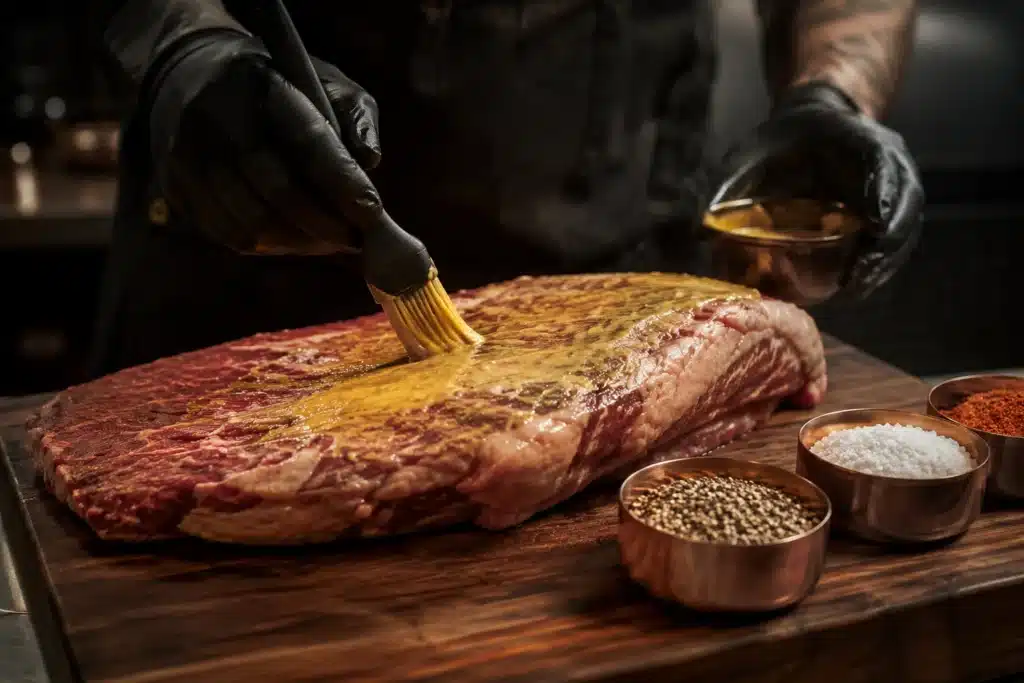
In the world of low-and-slow barbecue, a BBQ binder serves a completely different purpose than it does in baking or meatball prep. Rather than holding internal meat fibers together, a barbecue binder is a thin, liquid or paste-like layer applied to the exterior surface of raw meat immediately before applying a dry rub or seasoning blend.
Whether you are smoking a whole beef brisket, baby back ribs, or a pork butt (pork shoulder), a binder acts as a temporary adhesive that ensures your expensive spices stay right where they belong.
Why Pitmasters Use Binders on Brisket, Ribs, and Pork Butt
Raw meat straight out of the refrigerator has a chilled, slick surface that causes dry spice rubs (like coarse salt, black pepper, and paprika) to slide off or scatter unevenly.
Pitmasters and backyard BBQ enthusiasts use a binder for three critical reasons:
- Superior Rub Adhesion: It creates a sticky, tacky foundation so that heavy coarse seasonings cling firmly to the meat without falling into the smoker grates.
- Promoting an Epic “Bark”: The bark is the dark, flavorful, crunchy crust that forms on smoked meat as smoke, meat proteins, fat, and spices caramelize. A binder locks spices into continuous contact with heat and wood smoke, creating a thicker, more uniform bark.
- Preventing Bare Spots: As meat contracts and renders fat during a 12-hour smoke, bare spots can develop. A binder ensures seamless, full-surface seasoning coverage.
The Best BBQ Binders (Ranked & Explained)
You do not need specialized or expensive ingredients for a BBQ binder. The best options are common household staples:
1. Yellow Mustard (The Undisputed King of BBQ Binders)
- Why it works: Plain yellow mustard is water, vinegar, and ground mustard seeds. The acidity helps break down surface enzymes slightly, while the texture creates the perfect sticky canvas for heavy rubs.
- Best used for: Pork ribs, pork butt (pulled pork), beef brisket, and smoked sausages.
2. Hot Sauce (Sriracha or Louisiana-Style)
- Why it works: Offers the same acidic and tacky benefits as mustard, but adds a minute hint of warm aromatics.
- Best used for: Smoked chicken wings, pork chops, and spicy pork ribs.
3. Worcestershire Sauce
- Why it works: Packed with natural umami (anchovies, molasses, and tamarind). While thinner than mustard, it seeps slightly into beef grain, holding coarse black pepper and salt exceptionally well.
- Best used for: Beef brisket, beef ribs, and smoked chuck roast.
4. Olive Oil, Canola Oil, or Duck Fat Spray
- Why it works: Oil is non-acidic and delivers a glossy sheen. Since many seasoning compounds are fat-soluble, an oil binder helps flavor compounds dissolve and penetrate.
- Best used for: Whole turkey, chicken breasts, prime rib, and grilled seafood.
5. Mayonnaise
- Why it works: An emulsion of egg yolk, oil, and vinegar. Mayonnaise creates a protective fat barrier that prevents lean meat skins from drying out and promotes extraordinary browning (Maillard reaction).
- Best used for: Smoked poultry (spatchcock chicken, turkey), white fish, and pork loin.
Best BBQ Binder by Meat Type (Quick Reference Guide)
| Cut of Meat | Recommended Binder | Why It Works Best |
|---|---|---|
| Beef Brisket | Worcestershire sauce or Yellow Mustard | Maximizes Texas-style salt-and-pepper bark adhesion |
| Pork Ribs & Pork Butt | Yellow Mustard or Hot Sauce | Creates a tacky glue for sweet/savory brown sugar rubs |
| Smoked Chicken & Turkey | Mayonnaise or Olive Oil | Locks in moisture, crisps skin, prevents dry poultry meat |
| Smoked Salmon / Fish | Dijon Mustard or Melted Butter | Gentle on delicate fish flesh without overpowering |
Does a BBQ Binder Affect the Final Flavor of the Meat?
The short answer: No, not at all.
The most common fear among BBQ beginners is: “Will my 12-hour smoked brisket taste like hot dog mustard?”
The answer is an absolute no. Here is the culinary science behind why:
- Evaporation: The pungent aromatic compounds in mustard and hot sauce are volatile. During a low-and-slow smoke (at 225°F to 275°F / 107°C to 135°C), the vinegar and strong acids completely evaporate within the first 1 to 2 hours.
- What Remains: Only the microscopic layer of mustard solids and spices that formed the sticky base for your bark remains.
- The Result: The finished smoked meat will taste exclusively of rich smoke, rendered meat fat, and your chosen spice rub—with zero detectable mustard flavor.
Pitmaster Tip: Apply your binder in an ultra-thin layer. You only need enough to make the surface shiny and tacky. If you put too much on, your dry rub will turn into a muddy sludge that slides off into the fire pot!
The Best Binder Substitutes for Every Dietary Need
Whether you are cooking for someone with an egg allergy, managing celiac disease, or adhering to a plant-based or ketogenic lifestyle, you do not have to sacrifice the structural integrity or juiciness of your meals.
Here are the most effective, kitchen-tested binder substitutes categorized by dietary need.
1. Egg-Free Binder Substitutes
Eggs are the most common culinary binder, but they can easily be replaced in both sweet and savory recipes using these functional alternatives:
- Aquafaba (Liquid from Canned Chickpeas):
- How to use: 3 tablespoons of aquafaba equals 1 large egg.
- Why it works: It contains dissolved starches and plant proteins that mimic the exact binding, emulsifying, and foaming properties of egg whites without imparting any chickpea flavor.
- Best for: Savory fritters, meatballs, veggie burgers, and light baking.
- Unsweetened Applesauce:
- How to use: 1/4 cup (60g) replaces 1 large egg.
- Why it works: Natural pectin and fruit fibers create structural cohesion while adding moisture.
- Best for: Quick breads, muffins, brownies, and dense cakes.
- Mashed Ripe Banana:
- How to use: 1/2 medium mashed banana replaces 1 large egg.
- Why it works: High starch and moisture content hold dry ingredients together. (Keep in mind it adds a subtle banana flavor and natural sweetness).
- Best for: Pancakes, breakfast loaves, and cookies.
- Pureed Silken Tofu:
- How to use: 1/4 cup blended silken tofu replaces 1 egg.
- Why it works: Delivers a rich, neutral protein base that binds dense mixtures firmly.
- Best for: Quiches, veggie loaves, and heavy baked goods.
2. Gluten-Free Binder Options (Breadcrumb Replacements)
Standard breadcrumbs contain gluten, which is problematic for those with celiac disease or wheat sensitivities. Replace them with these stellar starches:
- Gluten-Free Rolled Oats (Pulsed/Blended):
- How to use: Substitute cup-for-cup with standard breadcrumbs.
- Why it works: When pulsed in a food processor into coarse crumbs, rolled oats absorb meat juices, expand, and create an identical texture to traditional breadcrumbs.
- Best for: Classic gluten-free meatloaf, meatballs, and salmon patties.
- Almond Flour (Blanched):
- How to use: Use in equal amounts to breadcrumbs.
- Why it works: Provides a moist crumb and rich, healthy fats that prevent lean meats (like ground turkey) from drying out.
- Best for: Low-carb meatballs, grain-free coatings, and burger patties.
- Chia Seeds or Ground Flaxseed:
- How to use: Mix 1 tbsp ground chia or flaxseed with 3 tbsp warm water; let sit for 5 minutes until a thick gel forms.
- Why it works: Rich in soluble mucilage fiber that holds grains and legumes together tightly without gluten networks.
- Best for: Vegan burger patties, gluten-free sandwich bread, and energy bars.
- Crushed Gluten-Free Crackers or Rice Cereal:
- How to use: 1:1 replacement for breadcrumbs or panko.
- Why it works: Delivers a crisp, crunchy coating for fried chicken and absorptive binding for fish cakes.
3. Low-Carb & Keto-Friendly Binders
When on a strict ketogenic or low-carb diet, traditional grain starches and breadcrumbs are off-limits. These zero-to-low carb binders yield incredible results:
- Finely Crushed Pork Rinds (“Pork Panko”):
- How to use: 1:1 substitute for breadcrumbs.
- Why it works: Contains zero carbohydrates, high protein, and natural pork fat. It absorbs moisture effortlessly and adds a savory crispness to meat dishes.
- Best for: Keto meatballs, meatloaves, and crispy low-carb breading.
- Finely Grated Parmesan Cheese:
- How to use: 1/3 cup parmesan per 1/2 cup of breadcrumbs.
- Why it works: As the cheese warms up, its milk solids and fats melt together, acting as a natural binder while delivering a massive blast of savory umami.
- Best for: Italian meatballs, zucchini fritters, and chicken cutlets.
- Coconut Flour (Use Sparingly):
- How to use: 1 to 2 tablespoons per pound of meat (or per recipe).
- Why it works: Coconut flour is extremely absorbent—it soaks up 4 to 5 times its weight in liquid, binding mixtures with very small quantities.
- Best for: Keto baking and moist meat mixes.
Ultimate Binder Substitution Chart
Use this quick-reference matrix to choose the ideal substitute and exact measurement for any recipe:
| Original Ingredient | Recommended Substitute | Substitution Ratio | Best Recipe Type |
|---|---|---|---|
| 1 Large Egg (Savory) | Aquafaba (Chickpea brine) | 3 tbsp per egg | Meatballs, patties, fritters |
| 1 Large Egg (Sweet) | Unsweetened Applesauce | 1/4 cup (60ml) per egg | Cakes, muffins, quick breads |
| 1 Large Egg (Vegan) | Flax Egg (Ground flax + water) | 1 tbsp flax + 3 tbsp water | Cookies, veggie burgers, brownies |
| 1/2 Cup Breadcrumbs | Crushed Pork Rinds (Keto) | 1/2 cup (1:1) | Low-carb meatloaf & meatballs |
| 1/2 Cup Breadcrumbs | Pulsed Gluten-Free Rolled Oats | 1/2 cup (1:1) | Gluten-free meatloaf & salmon patties |
| 1/2 Cup Breadcrumbs | Blanched Almond Flour | 1/2 cup (1:1) | Grain-free meatballs & poultry burgers |
| 1/2 Cup Breadcrumbs | Grated Parmesan Cheese | 1/3 cup | Italian meatballs & zucchini fritters |
Common Mistakes When Using Binders (And How to Fix Them)
Even seasoned cooks can ruin a dish with minor binding errors. Using the wrong binder, miscalculating quantities, or handling the mixture incorrectly can turn a tender meal into a rubbery or soggy mess.
Avoid these four common binding pitfalls to ensure consistent, restaurant-quality results every time:
1. Over-Binding (The “Rubber-Like / Spongy” Texture)
- The Mistake: Adding too much egg, flour, or dry starch in hopes of creating an indestructible meatball or burger patty.
- Why It Ruins the Dish: When excess proteins from eggs coagulate under heat, they form an overly tight, dense matrix. Similarly, excess starch absorbs all available fat and moisture, expanding into a heavy, bread-like paste. The result is a rubbery, bouncy, or spongy meatball rather than a soft, melt-in-your-mouth bite.
- How to Fix It: Stick to the proven standard ratio: no more than 1 large egg and 1/4 to 1/2 cup of starch per pound (450g) of meat. If your mixture feels slightly too wet, let it chill in the refrigerator for 20 minutes before adding more dry binder; the starches will hydrate and firm up naturally.
2. Forgetting to Control Excess Moisture (Waterlogged Mixtures)
- The Mistake: Adding wet ingredients (such as grated onions, drained canned beans, boiled zucchini, or wet spinach) straight into a meat or veggie patty mixture without removing excess water.
- Why It Ruins the Dish: High water content dilutes your binding agents. When the food cooks, the excess moisture turns to steam, causing meatloaves to turn mushy or burger patties to split and crumble into pieces on the grill.
- How to Fix It:
- Squeeze watery vegetables: Always squeeze grated zucchini, spinach, or shredded potatoes firmly in a clean kitchen towel before adding them to your bowl.
- Sauté aromatics: Lightly cook chopped onions and mushrooms first to evaporate water and concentrate flavor before mixing them with ground meat and binders.
3. Overworking and Overmixing the Meat
- The Mistake: Aggressively kneading, squeezing, or using an electric stand mixer to combine ground meat with eggs and breadcrumbs.
- Why It Ruins the Dish: Meat contains a protein called myosin. When raw ground meat is overworked, myosin proteins link tightly together into a dense, sausage-like emulsion. This causes cooked meatballs and burgers to turn tough, dry, and dense rather than light and juicy.
- How to Fix It:
- Mix binders first: Whisk your eggs, spices, and milk-soaked panade together in a separate small bowl before pouring them over the meat.
- Use a light touch: Use clean fingertips or a fork to gently fold the mixture together just until the binder is evenly distributed. Never compress or squeeze the meat forcefully.
4. Applying a Heavy, Thick Layer of BBQ binder in cooking
- The Mistake: Slathering thick coatings of mustard, mayonnaise, or oil onto raw brisket or ribs before applying a dry rub.
- Why It Ruins the Dish: A thick layer of condiment creates a barrier that traps moisture against the meat surface. Instead of forming a crisp, caramelized “bark,” the heavy binder turns the dry rub into a gummy sludge that easily slides off inside the smoker.
- How to Fix It: Apply only a microscopic, paper-thin film. The meat should look shiny and feel slightly tacky to the touch—not heavily coated or dripping with sauce.
Pro Tip: The “Test Patty” Method : read more here
If you are unsure whether your binder ratio and seasoning are balanced, never cook the entire batch at once. Pinch off a marble-sized piece of your mixture and fry it in a hot skillet for 60 seconds. Taste it to check the tenderness, structural hold, and seasoning, then adjust your binders before shaping the rest of your recipe.
Is an egg a binder or a thickener?
An egg is both a binder and a thickener depending on the recipe. In solid foods like meatballs, burger patties, or baked goods, egg proteins coagulate under heat to hold ingredients firmly together as a binder. In liquid mixtures like custards, curds, and sauces, gently heated eggs trap moisture to increase viscosity and create a rich consistency as a thickener.
Can you use water or milk as a binder?
No, water and milk cannot act as binders on their own because they lack the protein or starch structures required to solidify under heat. However, they serve as essential activating agents when paired with dry binders—such as soaking bread in milk to make a meatball panade, or mixing water with ground flaxseeds and cornstarch to create binding gels.
Do burgers really need a binder?
Traditional all-beef hamburgers do not need a binder. High-quality ground beef with an 80/20 lean-to-fat ratio contains sufficient natural proteins and rendered fats to hold the patty together on the grill when handled gently. However, lean burger alternatives like ground turkey, chicken, salmon, and plant-based veggie patties always require a binder to avoid drying out or breaking apart.
What is the strongest natural food binder?
For hot and cooked dishes, whole eggs and egg whites are the strongest natural binders due to their rapid, resilient thermal protein coagulation. For chilled and gelled dishes, gelatin (animal-based) and agar-agar (plant-based) are the strongest natural gelling agents, capable of setting liquids into a solid structure. For vegan cooking, ground flaxseed gel and chia seeds provide the highest structural hold.
The Ultimate Juicy Meatballs (Mastering the Panade Binder)
- Total Time: 35 mins
- Yield: 6 servings (about 18 meatballs) 1x
Description
Learn how to make the ultimate tender, melt-in-your-mouth Italian meatballs using the classic milk-soaked bread (panade) and egg binder technique to lock in moisture and prevent falling apart.
Ingredients
1 lb (450g) ground beef (80/20 or 85/15 blend)
1/2 lb (225g) ground pork
2 slices white sandwich bread (crusts removed and torn into small pieces)
1/3 cup whole milk
1 large egg (lightly beaten)
1/2 cup freshly grated Parmesan cheese
3 cloves garlic (minced)
1/4 cup fresh Italian parsley (finely chopped)
1 teaspoon kosher salt
1/2 teaspoon freshly cracked black pepper
1/2 teaspoon dried oregano
2 tablespoons olive oil (for searing or baking)
Instructions
Make the Panade Binder: In a small bowl, combine the torn bread pieces and whole milk. Mash with a fork and let sit for 5 to 10 minutes until a smooth, thick paste forms.
Mix the Binders and Seasonings: In a separate large mixing bowl, whisk together the beaten egg, Parmesan cheese, minced garlic, chopped parsley, kosher salt, black pepper, oregano, and the prepared bread panade until thoroughly blended.
Add the Meat: Add the ground beef and ground pork to the bowl with the binder mixture.
Gently Combine: Using clean hands or a fork, gently fold and combine the ingredients just until incorporated. Do not squeeze or overmix, as this makes the meatballs tough.
Shape the Meatballs: Scoop and gently roll the mixture into roughly 1.5-inch balls (makes about 18 to 20 meatballs).
Cook: Heat olive oil in a large skillet over medium-high heat. Brown the meatballs on all sides for 6 to 8 minutes, then simmer in your favorite marinara sauce for 15 to 20 minutes until the internal temperature reaches 165°F (74°C). (Alternatively, bake on a lined baking sheet at 400°F / 200°C for 18 to 20 minutes).
Notes
Do not overwork the meat: Overworking ground meat tightens the protein fibers, resulting in dense meatballs. Mix gently just until the binder is distributed.
Gluten-Free Swap: Replace the white bread with 1/2 cup of gluten-free rolled oats pulsed into fine crumbs or gluten-free bread slices.
Egg-Free Swap: Replace the egg with 3 tablespoons of chickpea aquafaba brine.
- Prep Time: 15 mins
- Cook Time: 20 mins
- Category: Main Course
- Method: Stovetop / Baking
- Cuisine: Italian-American
Nutrition
- Serving Size: 3 meatballs
- Calories: 310 kcal
- Sugar: 1 g
- Sodium: 540 mg
- Fat: 19 g
- Saturated Fat: 7 g
- Unsaturated Fat: 10 g
- Carbohydrates: 7 g
- Fiber: 1 g
- Protein: 25 g
- Cholesterol: 95 mg
Keywords: what is a binder in cooking, meatball binder, panade meatballs, juicy homemade meatballs