


Table of Contents
- Introduction: Why This Ricotta Pasta Works for You
- How This Recipe Works: Achieving Creamy Perfection
- Ingredients & Smart Substitutions
- Step-by-Step: Making Your Delicious Ricotta Pasta
- Expert Tips for Ricotta Pasta Success
- What to Serve with Delicious Ricotta Pasta
- Storing & Reheating Your Ricotta Pasta
- Frequently Asked Questions About Ricotta Pasta
Introduction: Why This Ricotta Pasta Works for You
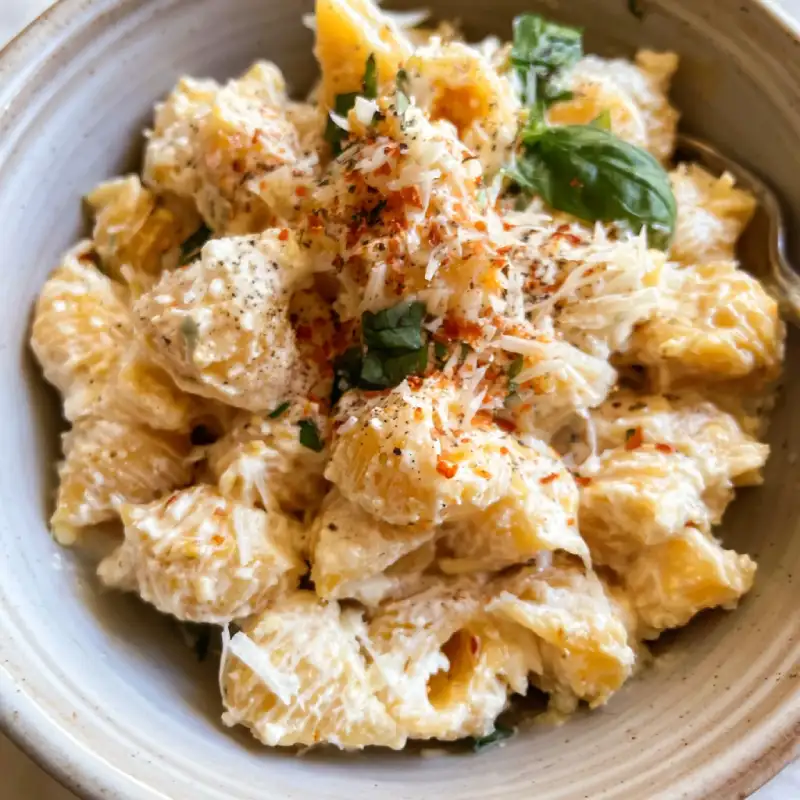
Imagine a velvety, comforting pasta dish that coats every strand with a delicate richness, brightened by a hint of lemon and fresh basil. That’s exactly what you get with this incredibly delicious Ricotta Pasta recipe! It’s an absolute game-changer for those busy weeknights when you crave something deeply satisfying but don’t have hours to spend in the kitchen. The texture is surprisingly luxurious, thanks to the creamy ricotta, and the flavors sing a harmonious tune that will have you coming back for seconds (and thirds!). For more fantastic and easy recipes, see more good recipes here.
- Quick Weeknight Meal Solution: From pantry to plate in under 30 minutes, making it perfect for chaotic evenings.
- Comfort Food with Minimal Effort: Delivers that warm hug feeling without a complex ingredient list or technique.
- Versatile and Customizable: A beautiful blank canvas for your culinary creativity – add veggies, proteins, or adjust spices to your heart’s content!
How This Recipe Works: Achieving Creamy Perfection
This delicious Ricotta Pasta recipe isn’t just good; it’s brilliant in its simplicity and effectiveness. It leverages a few key principles to create an unbelievably creamy and flavorful sauce with minimal fuss.
- Creaminess from Ricotta & Pasta Water: The magic happens when fresh ricotta is emulsified with starchy pasta water. The protein and fat in the ricotta combine with the dissolved starches from the pasta, creating a silky, clingy sauce that’s utterly irresistible.
- Balanced Flavors: Sweet, Savory, and Acidic: We hit all the right notes with garlic for savory depth, sweet creamy ricotta, bright lemon zest and juice for acidity, and salty Parmesan. This balance prevents the dish from being bland or heavy.
- Minimal Ingredients, Maximum Impact: You’ll be amazed at how much flavor you can extract from a handful of humble ingredients, proving that sometimes less truly is more.
- Quick Cooking Time: The sauce comes together in the time it takes to boil your pasta, making this one of the speediest gourmet meals you’ll ever make.
Ingredients & Smart Substitutions
Here is what you need and why, ensuring every bite of your delicious Ricotta Pasta is perfect:
Ricotta Cheese: This is the star! Always opt for full-fat ricotta. The higher fat content is crucial for achieving that luscious, smooth, and creamy texture we’re aiming for. Part-skim versions tend to be grainy and won’t emulsify as beautifully. Look for good quality, preferably whole-milk ricotta from a local dairy for the best results, like the kind you find from Murray’s Cheese.
Pasta: For this sauce, short, tubular shapes are best. Think rigatoni, penne, orecchiette, or cavatappi. These shapes have grooves and openings that perfectly capture and hold onto the creamy ricotta sauce. While you can use long pasta, the texture experience is truly enhanced by shapes that offer a little ‘pocket’ for the sauce.
Garlic: Fresh is non-negotiable for this recipe. Minced or finely grated garlic releases its aromatic oils, infusing the olive oil with a foundational savory flavor that dried garlic simply cannot replicate. Aim for 2-3 cloves, but feel free to add more if you’re a garlic enthusiast!
Lemon: Both zest and fresh juice provide essential brightness and acidity. The zest carries the concentrated lemon oils, offering a fragrant lift, while the juice cuts through the richness of the ricotta, preventing the dish from tasting heavy. Don’t skip this – it’s a flavor transformer!
Parmesan/Pecorino Romano: A good quality, freshly grated hard cheese adds a wonderful salty umami warmth. Parmesan offers a nuttier, slightly milder flavor, while Pecorino Romano brings a sharper, saltier kick. Feel free to use a blend of both, or whichever you prefer. Always grate it fresh for the best melt and flavor.
Basil: Freshness and aroma are key here. Torn or roughly chopped fresh basil leaves add a beautiful herbaceous note and a pop of color. Add it at the very end to preserve its delicate flavor and vibrant green hue. Dried basil is not a suitable substitute for this dish.
Olive Oil: Use a good quality extra virgin olive oil. Since it’s not just a cooking fat but also a flavor component in this simple sauce, its taste will shine through. A fruity, slightly peppery olive oil will elevate the entire dish.
Red Pepper Flakes: These are optional heat! A pinch or two can add a fantastic subtle warmth that complements the creamy sauce beautifully. If you prefer things milder, simply omit them.
Salt & Pepper: These are your seasoning essentials. Use kosher salt for cooking the pasta and fine sea salt for seasoning the sauce. Freshly cracked black pepper will always offer more aroma and flavor than pre-ground.
Step-by-Step: Making Your Delicious Ricotta Pasta
Follow these simple steps for a truly delicious Ricotta Pasta, guaranteed to impress!
1. Cook the Pasta Al Dente
Bring a large pot of heavily salted water to a rolling boil. Add your chosen short pasta shape and cook according to package directions until it’s perfectly al dente – meaning it still has a slight bite to it. Before draining, reserve about 1.5 to 2 cups of the starchy pasta water. This is your secret weapon for a silky sauce!
2. Prepare the Ricotta Sauce Base
While the pasta cooks, in a large pan or skillet (preferably one that can later accommodate all the pasta), heat a good glug of extra virgin olive oil over medium-low heat. Add your minced garlic and red pepper flakes (if using). Sauté gently for 1-2 minutes until fragrant, being careful not to brown the garlic. Remove the pan from the heat briefly.
3. Combine Pasta and Sauce
Drain the al dente pasta and immediately add it to the skillet with the garlic-infused olive oil. Add the full-fat ricotta, lemon zest, about half of the fresh lemon juice, and about half of the reserved pasta water. Begin to toss everything together vigorously with tongs. The heat from the pasta and the gentle mixing will start to melt and emulsify the ricotta.
4. Adjust Consistency and Seasoning
As you toss, the sauce will come together. Gradually add more pasta water, a splash at a time, until the sauce reaches your desired creamy, glossy consistency. You want it coating every strand beautifully, not watery or overly thick. Stir in most of the grated Parmesan/Pecorino Romano. Taste the sauce – this is crucial! Add more salt, pepper, or lemon juice as needed until the flavors sing. Remember, the pasta water is salty, and the cheese adds salt, so season gradually.
5. Garnish and Serve Immediately
Once you’re happy with the sauce and seasoning, stir in the fresh torn basil leaves. Transfer the delicious Ricotta Pasta to serving bowls. Garnish with a final sprinkle of freshly grated cheese, a drizzle of good quality extra virgin olive oil, and a few more fresh basil leaves. Serve warm, as the sauce will thicken as it cools.
Expert Tips for Ricotta Pasta Success
- Save Pasta Water: Your Secret Weapon: This cannot be stressed enough! The starchy water is essential for emulsifying the sauce and achieving that perfect creamy consistency. Never drain all of it.
- Don’t Overcook the Ricotta Sauce: Once the ricotta is added to the warm pasta, keep the heat low or off. Overcooking ricotta can cause it to break or become grainy. The residual heat from the pasta and pan is usually enough to warm it through and create the sauce.
- Use Fresh, Quality Ingredients: With such a simple recipe, the quality of each ingredient truly shines. Splurge a little on good full-fat ricotta, fresh garlic, a quality lemon, and excellent extra virgin olive oil.
- Taste and Adjust Seasoning Frequently: Seasoning is a journey, not a destination. Taste the sauce throughout the process and adjust salt, pepper, and lemon juice until you reach perfection.
- Serve Warm: Ricotta Sauce Thickens as it Cools: This creamy sauce is best enjoyed immediately. As it cools, the ricotta will naturally thicken, so plan to serve it fresh off the stove.
What to Serve with Delicious Ricotta Pasta
This delicious Ricotta Pasta is wonderfully satisfying on its own, but it also pairs beautifully with a few simple accompaniments to complete your meal:
- Simple Green Salad: A crisp, lightly dressed green salad with a vinaigrette provides a refreshing counterpoint to the rich pasta.
- Garlic Bread or Crusty Ciabatta: Perfect for soaking up any leftover creamy sauce!
- Roasted Vegetables (Asparagus, Broccoli): Roasted asparagus or broccoli with a squeeze of lemon adds texture and extra nutrition without overpowering the main dish.
Storing & Reheating Your Ricotta Pasta
While best enjoyed fresh, you can absolutely save leftovers of your delicious Ricotta Pasta.
- Refrigeration Guidelines: Store any leftover pasta in an airtight container in the refrigerator for up to 3 days.
- Best Reheating Methods (Stovetop vs. Microwave): For best results, gently reheat on the stovetop over low heat, adding splashes of water or milk to help bring back the creaminess. Stir frequently. The microwave can be used, but it’s more likely to dry out the pasta; reheat in short bursts, stirring often, and add liquid as needed.
- Tips for Maintaining Creaminess During Reheating: Always add a splash of water, milk, or even a tiny bit more ricotta when reheating to loosen the sauce and restore its creamy texture. Don’t be afraid to add a tiny drizzle of fresh olive oil as well.
Frequently Asked Questions About Ricotta Pasta
What kind of ricotta is best?
Can I add vegetables?
Is this dish gluten-free?
How can I make it spicier?
What if my sauce is too thick?
Delicious Ricotta Pasta
- Total Time: 25 minutes
- Yield: 4 servings 1x
Description
Indulge in this incredibly creamy and flavorful ricotta pasta, whipped up in under 30 minutes. It’s the perfect weeknight comfort food with minimal effort.
Ingredients
- 12 oz short pasta (rigatoni, penne, orecchiette)
- 1 ½ cups whole-milk ricotta cheese
- 3 cloves garlic, minced
- ¼ cup extra virgin olive oil, plus more for drizzling
- 1 lemon, zested and juiced
- ½ cup freshly grated Parmesan or Pecorino Romano cheese, plus more for serving
- ½ cup fresh basil leaves, torn
- ½–1 tsp red pepper flakes (optional)
- Salt and freshly ground black pepper to taste
- 1.5–2 cups reserved pasta water
Instructions
- 1. Cook Pasta: Bring a large pot of heavily salted water to a boil. Cook pasta according to package directions until al dente. Reserve 1.5-2 cups starchy pasta water before draining.
- 2. Sauté Aromatics: While pasta cooks, heat olive oil in a large skillet over medium-low heat. Add minced garlic and red pepper flakes (if using). Sauté for 1-2 minutes until fragrant, being careful not to brown. Remove from heat.
- 3. Combine & Emulsify: Add drained hot pasta, ricotta, lemon zest, half of the lemon juice, and about 1 cup of reserved pasta water to the skillet. Toss vigorously with tongs until the sauce becomes creamy and coats the pasta.
- 4. Adjust & Season: Gradually add more pasta water, a splash at a time, until the sauce reaches your desired creamy consistency. Stir in most of the grated cheese. Taste and adjust seasoning with salt, pepper, and additional lemon juice as needed.
- 5. Garnish & Serve: Stir in fresh basil. Serve immediately in bowls, garnished with extra grated cheese, a drizzle of olive oil, and more fresh basil.
- Prep Time: 10 mins
- Cook Time: 15 mins