


Table of Contents
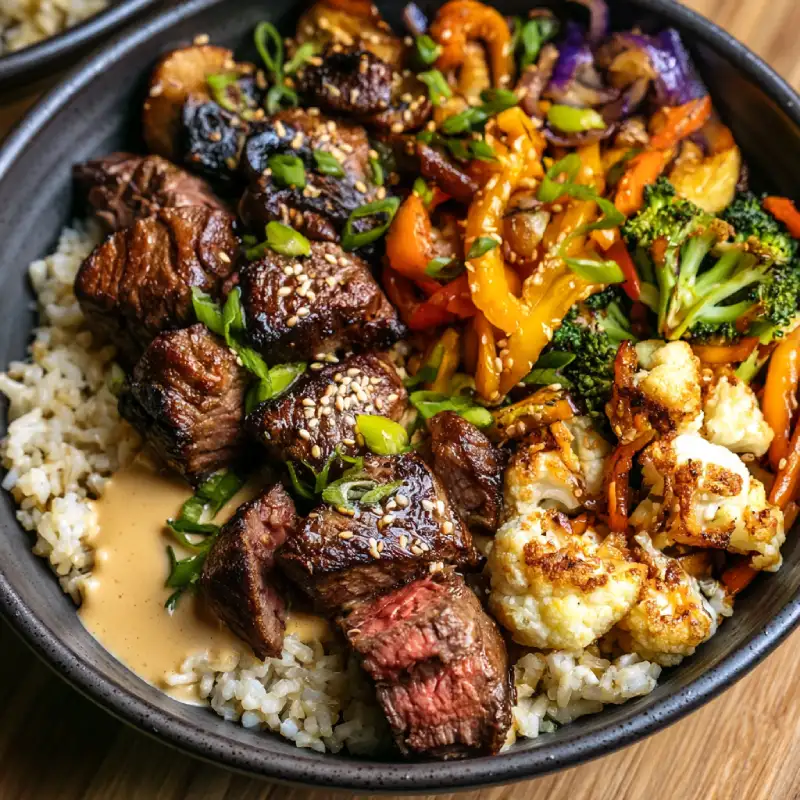
Ever crave that sizzling, savory delight that only a hibachi grill can deliver, but don’t want to leave the comfort of your kitchen? Get ready to experience the magic of fresh, perfectly cooked steak and crisp vegetables bathed in an umami-rich sauce, all laid over a bed of fluffy rice. These Hibachi Steak Bowls are packed with incredible flavor and satisfying textures that will make your taste buds sing!
Imagine tender, quick-seared steak with a beautiful crust, vibrant zucchini, earthy mushrooms, and sweet onions, all brought together by a homemade hibachi sauce that rivals your favorite Japanese steakhouse. And the best part? It’s genuinely easy to make right at home, often faster than ordering takeout! For more delicious weeknight meal inspirations, you can always See more good recipes here.
Make Your Own Hibachi Steak Bowls at Home
Forget the long waits and the crowded tables! Crafting these sensational Hibachi Steak Bowls in your own kitchen is not only incredibly rewarding but also surprisingly straightforward. You get all the authentic flavor without the fuss. I absolutely adore making these bowls for weeknight dinners because they’re a complete meal in one, versatile, and satisfy everyone at the table. It’s the perfect balance of healthy and indulgent, making it a regular rotation in my meal planning.
How This Recipe Works
The beauty of this Hibachi Steak Bowls recipe lies in its simplicity and smart technique:
- Quick-seared steak for tender results: We’ll use high heat for a short time to achieve a gorgeous brown crust while keeping the interior perfectly tender and juicy.
- Homemade hibachi sauce ties everything together: This isn’t just any sauce; it’s the heart of the dish, blending savory, sweet, and tangy notes that elevate every bite.
- Fresh vegetables add crunch and color: A medley of crisp-tender veggies provides essential nutrients and a delightful textural contrast.
- Rice provides a satisfying base: Fluffy and absorbent, it’s the ideal canvas for soaking up all that incredible hibachi sauce.
Ingredients and Smart Substitutions
Here is what you need and why:
Steak Cuts: For the best Hibachi Steak Bowls, I highly recommend using either sirloin or ribeye. Sirloin is a fantastic balance of flavor and tenderness at a reasonable price, while ribeye offers superior marbling for an even richer, melt-in-your-mouth experience. Cut against the grain into bite-sized pieces for maximum tenderness.
Key Vegetables: My go-to trio includes onions (for sweetness), zucchini (for freshness), and mushrooms (for an earthy umami). However, don’t stop there! Green bell peppers, broccoli florets, carrots (thinly sliced), or even snap peas would be delicious additions and excellent ways to boost your veggie intake.
Soy Sauce: This is a cornerstone of the hibachi flavor. Always opt for low-sodium soy sauce to better control the saltiness of your dish. Kikkoman is a reliable brand, but any quality low-sodium option will do. If you’re gluten-free, use tamari.
Mirin & Sake: These Japanese staples are crucial for an authentic hibachi sauce. Mirin is a sweet rice wine that adds a mild sweetness and a beautiful glaze. Sake (Japanese rice wine) contributes depth and complexity. If you can’t find sake, a dry sherry or even a splash of chicken broth could work in a pinch, but the flavor profile will be slightly different. For authentic Japanese ingredients, check out sites like Japanese Food Express.
Sesame Oil: There are two main types: toasted and untoasted. For this recipe, you absolutely want toasted sesame oil. Its nutty, intense flavor is unmistakable and adds a huge punch to the sauce and the finished dish. Untoasted sesame oil has a much milder, almost neutral flavor and wouldn’t provide the same depth.
Garlic & Ginger: Please, for the love of flavor, use fresh garlic and ginger. The pre-minced jars simply don’t compare in terms of aroma and potency. Mince them finely or grate them for the best distribution of flavor in your sauce and stir-fry.
Butter: Not just for richness, butter is essential for achieving that beautiful sear on the steak and adds incredible flavor to the vegetables. Don’t skip it!
Rice: A fluffy bed of rice is non-negotiable for soaking up all the delicious sauce. Jasmine rice is my personal favorite for its delicate fragrance, but a good quality short-grain or medium-grain white rice works perfectly well.
Step-by-Step for Perfect Hibachi Steak Bowls
Follow these step-by-step photos for perfectly executed Hibachi Steak Bowls:
1. Prep the Ingredients
Wash and pat dry all your vegetables. Slice the onion into thin wedges, the zucchini into half-moons, and mushrooms into thick slices. Mince your garlic and ginger. Cut your steak into bite-sized 1-inch pieces, trimming any excess fat. Having everything ready before you start cooking is key for a fast and efficient stir-fry!
2. Marinate the Steak (Optional but Recommended)
For an extra layer of flavor and tenderness, marinate the steak. In a bowl, toss the steak pieces with 1 tablespoon of soy sauce, 1 tsp sesame oil, and a pinch of black pepper. Let it sit for at least 15 minutes while you prepare other components, or up to 30 minutes at room temperature. This step makes a noticeable difference in the final taste of your Hibachi Steak Bowls.
3. Make the Hibachi Sauce
In a small saucepan, whisk together soy sauce, mirin, sake, a touch of sugar (if using), 1 tsp sesame oil, and your minced garlic and ginger. Bring the mixture to a gentle simmer over medium heat, stirring until the sugar dissolves. Let it simmer for 2-3 minutes to slightly thicken and allow the flavors to meld. Taste and adjust seasonings as needed – you might want a touch more sweetness or a dash more soy sauce. Set aside.
4. Cook the Rice
Prepare your rice according to package directions, aiming for fluffy, separate grains. I usually rinse my rice thoroughly before cooking to prevent stickiness. Keep it warm until ready to assemble your bowls.
5. Sear the Steak
Heat a large skillet or wok over high heat. Add 1 tablespoon of butter and let it melt until just beginning to brown. Add half of your marinated steak pieces to the hot pan in a single layer, ensuring not to overcrowd. Sear for 1-2 minutes per side for medium-rare, or longer for your desired doneness, until a beautiful, inviting crust forms. Remove the steak from the pan and set it aside, covered loosely with foil, while you cook the vegetables. Repeat with the remaining steak, adding more butter if needed.
6. Cook the Vegetables
Using the same pan (add another tablespoon of butter if needed), add onions, zucchini, and mushrooms. Stir-fry over high heat for 3-5 minutes until they are crisp-tender and slightly caramelized. You want them to retain a bit of their bite, not become mushy. Add the remaining minced garlic and ginger during the last minute of cooking the vegetables for maximum aromatic impact.
7. Assemble Your Bowls
Divide the cooked rice among serving bowls. Artfully arrange the seared steak pieces and the stir-fried vegetables over the rice. Drizzle generously with your delicious homemade hibachi sauce. Garnish with sesame seeds and chopped green onions for a vibrant finish to your perfect Hibachi Steak Bowls.
Expert Tips for Success
- Don’t Overcrowd the Pan: This is crucial for both the steak and the vegetables. Overcrowding lowers the pan temperature, leading to steaming instead of searing, which means no beautiful crust or crisp-tender veggies. Work in batches if necessary.
- High Heat is Key: A screaming-hot pan is essential for achieving that restaurant-quality sear on your steak and the vibrant, crisp-tender texture in your vegetables. Don’t be afraid of the heat!
- Taste and Adjust Sauce: Your hibachi sauce is the star. Always taste it before serving. If you prefer it sweeter, add a pinch of sugar or a touch more mirin. If you want it saltier, a dash more soy sauce.
- Rest the Steak: After searing, let your steak rest for 5 minutes before slicing or serving. This allows the juices to redistribute, ensuring every bite is succulent and tender.
- Prep Ahead: To make weeknights even easier, chop all your vegetables and whisk together your sauce up to a day in advance. Store them separately in the refrigerator. This significantly cuts down on active cooking time.
What to Serve With Your Hibachi Steak Bowls
These Hibachi Steak Bowls are a complete meal, but you can certainly enhance the dining experience with a few additions:
- Additional Sauces: Offer classic hibachi accompaniments like a creamy homemade Yum Yum sauce, a tangy Ginger sauce, or a fiery Sriracha for those who like a kick.
- Garnish Options: Elevate the presentation and add extra flavor with a sprinkle of toasted sesame seeds, thinly sliced green onions (scallions), a swirl of sriracha, or even a handful of cilantro.
- Side Salad: A simple, light green salad with a ginger dressing would be a refreshing contrast.
- Edamame: Steamed edamame, lightly salted, makes for a great, healthy appetizer or side.
Storing and Reheating Your Bowls
Leftover Hibachi Steak Bowls are delicious and easy to store:
- Refrigeration Guidelines: For best results, store the steak, vegetables, rice, and any remaining sauce in separate airtight containers in the refrigerator for up to 3-4 days. This helps maintain the texture of each component.
- Reheating Instructions:
- Microwave Method: Place the steak, vegetables, and rice in a microwave-safe bowl. Drizzle with a little extra sauce or a tablespoon of water to prevent drying out. Cover loosely and heat in 1-minute intervals, stirring in between, until heated through.
- Stovetop Method: For crisper results, reheat the steak and vegetables in a skillet over medium-high heat with a splash of oil or water until warm. You can heat the rice separately in the microwave or add it to the skillet at the very end.
Hibachi Steak Bowls FAQ
Can I use other proteins?
Is this dish spicy?
How can I make this gluten-free?
Can I make the sauce ahead of time?
Hibachi Steak Bowls
- Total Time: 35 minutes
- Yield: 4 servings 1x
Description
Create amazing hibachi steak and veggie bowls right at home with tender seared steak and a savory, homemade sauce. This recipe is quicker than takeout and bursting with authentic flavor.
Ingredients
- 1.5 lbs sirloin or ribeye steak, cut into 1-inch cubes
- 1 tbsp low-sodium soy sauce (for marinade)
- 1 tsp toasted sesame oil (for marinade)
- Freshly ground black pepper, to taste
- 2 tbsp unsalted butter, divided
- 1 medium onion, thinly sliced
- 2 medium zucchini, halved and sliced
- 8 oz cremini mushrooms, sliced
- 4 cloves garlic, minced (divided)
- 1-inch piece fresh ginger, grated or minced (divided)
- 2 cups cooked jasmine or short-grain rice
- 1/2 cup low-sodium soy sauce
- 1/4 cup mirin
- 2 tbsp sake (or dry sherry)
- 1 tbsp granulated sugar (optional, for sweetness)
- 1 tsp toasted sesame oil
- 2 cloves garlic, minced
- 1/2-inch piece fresh ginger, grated or minced
- Toasted sesame seeds
- Sliced green onions/scallions
- Sriracha
Instructions
- 1. Prepare Ingredients: Wash and chop all vegetables. Mince garlic and ginger. Cut steak into 1-inch cubes.
- 2. Marinate Steak (Optional): In a bowl, toss steak with 1 tbsp soy sauce, 1 tsp sesame oil, and pepper. Let sit for 15-30 minutes.
- 3. Make Hibachi Sauce: In a small saucepan, whisk together soy sauce, mirin, sake, optional sugar, 1 tsp sesame oil, and minced garlic/ginger. Simmer for 2-3 minutes until slightly thickened. Set aside.
- 4. Cook Rice: Prepare rice according to package directions. Keep warm.
- 5. Sear Steak: Heat a large skillet or wok over high heat. Add 1 tbsp butter. Sear steak in batches for 1-2 minutes per side until crusted. Remove and loosely cover with foil.
- 6. Cook Vegetables: Add remaining butter to the same pan. Stir-fry onions, zucchini, and mushrooms over high heat for 3-5 minutes until crisp-tender. Add remaining minced garlic and ginger for the last minute.
- 7. Assemble Bowls: Divide rice among bowls. Top with seared steak and stir-fried vegetables. Drizzle generously with hibachi sauce. Garnish with sesame seeds and green onions, if desired. Serve immediately.
- Prep Time: 15 mins
- Cook Time: 20 mins