


Table of Contents
- Matcha Cake: Your New Favorite Green Treat
- How This Matcha Cake Recipe Works
- Ingredients and Smart Substitutions for Your Matcha Cake
- Step-by-Step: Baking Your Perfect Matcha Cake
- Expert Tips for Matcha Cake Success
- What to Serve with Your Matcha Cake
- Storing and Reheating Matcha Cake
- Frequently Asked Questions About Matcha Cake
Matcha Cake: Your New Favorite Green Treat
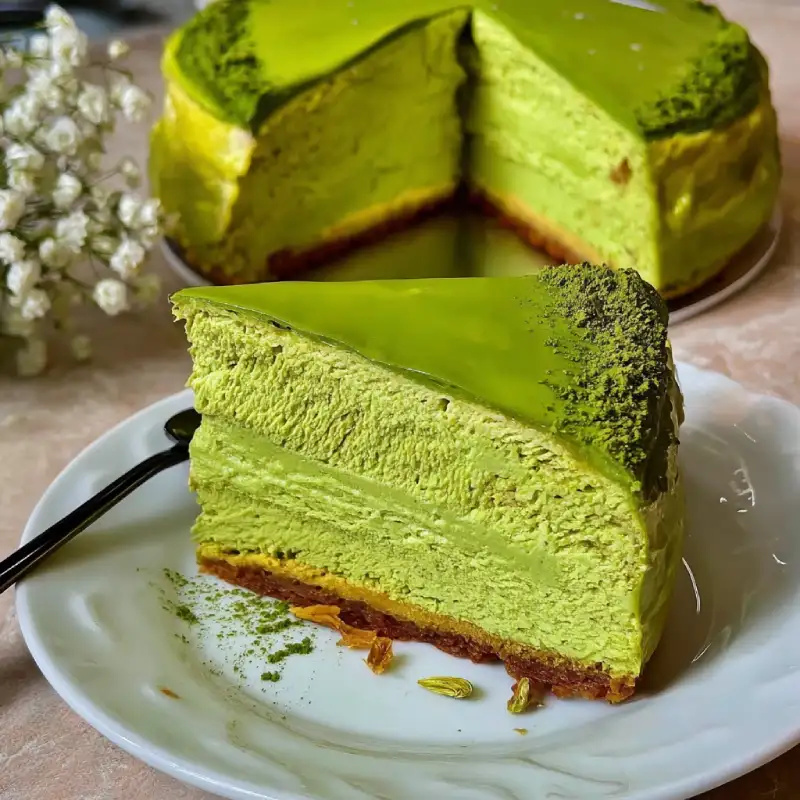
Welcome, fellow baking enthusiasts! Get ready to embark on a culinary adventure that will captivate your senses and leave you craving more. Today, we’re diving into the enchanting world of Matcha cake – a dessert that’s as visually stunning as it is delicious. Imagine a cake so tender it practically melts in your mouth, infused with the vibrant, earthy notes of premium ceremonial-grade matcha, perfectly balanced with just the right amount of sweetness. This isn’t just a recipe; it’s an experience, a journey to a truly unique flavor profile that sets it apart from your everyday cake. It’s light, it’s fluffy, and it has an incredible depth of flavor that will make it an instant favorite. For more delightful dessert ideas, be sure to check out more good recipes here. Trust me, once you try this recipe, you’ll understand why this Matcha cake is a must-try for anyone who appreciates fine baking.
From My Kitchen to Yours: Why This Matcha Cake is a Must-Try
This isn’t just any Matcha cake recipe. Through countless iterations and a passion for perfection, I’ve honed this recipe to deliver a truly exceptional result – a cake that consistently earns rave reviews. It’s designed to be approachable for home bakers while still yielding a professional-quality dessert. The delicate crumb, the striking green hue, and that unmistakable, nuanced matcha flavor come together in a symphony that will impress even the most discerning palates. You’re not just baking a cake; you’re crafting a piece of edible art.
How This Matcha Cake Recipe Works
Understanding the ‘why’ behind each step makes you a better baker. Here’s a peek at the science and art behind this perfect Matcha cake.
- Achieving a Delicate Crumb: My secret lies in the careful balance of ingredients and the mixing technique. Using softened butter and specific leavening agents ensures a tender, airy texture that’s never dense or dry.
- Balancing Earthy Matcha with Sweetness: This recipe expertly navigates the often tricky balance between matcha’s inherent bitterness and the cake’s sweetness. We use just enough sugar to highlight the matcha’s complex notes without overpowering them.
- Keeping it Moist and Flavorful: The inclusion of buttermilk and a touch of oil, alongside butter, is key to an incredibly moist cake that stays fresh longer, all while delivering a rich, full-bodied flavor.
- One-bowl cleanup (almost!): While not strictly a one-bowl recipe, the process is streamlined to minimize dishes, making your baking experience even more enjoyable.
Ingredients and Smart Substitutions for Your Matcha Cake
Here is what you need and why:
Matcha Powder: Quality Matters: This is arguably the most crucial ingredient. For a vibrant color and true matcha flavor, invest in a ceremonial or good culinary grade matcha. Lower quality matcha can result in a dull color and a bitter, unpleasant taste. I typically buy mine from Matchaeologist for consistent excellence.
Flour Power: Why All-Purpose Works Best: I’ve found that plain all-purpose flour provides the perfect balance of structure and tenderness for this cake. While you *can* use cake flour for an even lighter crumb, ensure you adjust the amount slightly as it absorbs liquids differently. For a gluten-free option, use a 1:1 gluten-free baking blend that contains xanthan gum, though the texture might vary slightly.
Sweeteners: Granulated Sugar and its Role: Granulated sugar not only sweetens the cake but also contributes to its moistness and delicate crumb structure. It creams beautifully with butter, incorporating air. Do not reduce the sugar significantly unless you’re experienced in altering cake recipes, as it affects the cake’s chemistry.
Fats: Butter vs. Oil for Texture: This recipe calls for unsalted butter, which provides rich flavor and a tender texture when creamed. A touch of neutral oil could be substituted for some butter to enhance moisture, but you might lose some of that classic buttery flavor. Ensure your butter is at room temperature for optimal creaming.
Leavening Agents: Baking Powder and Baking Soda Explained: We use both baking powder and baking soda. Baking powder provides the initial lift, while baking soda reacts with the acidic buttermilk to create additional lightness and tenderness, preventing a dense crumb.
Dairy: Buttermilk’s Secret to Tenderness: Buttermilk is a superstar in this recipe! Its acidity reacts with the baking soda, creating a tender crumb. It also adds moisture and a subtle tang that complements the matcha beautifully. If you don’t have buttermilk, you can make your own by adding 1 tablespoon of white vinegar or lemon juice to a measuring cup, then filling it to the 1-cup line with whole milk. Let it sit for 5-10 minutes until it curdles.
Eggs: Binding and Structure: Large eggs bind the ingredients together, add richness, and contribute to the cake’s structure and rise. Like butter, make sure they are at room temperature for better emulsion with the other wet ingredients.
Flavor Enhancers: Vanilla Extract and a Pinch of Salt: A good quality vanilla extract enhances all the other flavors without overpowering the matcha. A pinch of salt is crucial – it balances the sweetness and brings out the depth of the matcha, truly making all the flavors sing.
Step-by-Step: Baking Your Perfect Matcha Cake
Follow these detailed steps to create your perfect Matcha cake:
1. Prep Your Pans and Preheat Oven
Start by preheating your oven to 350°F (175°C). Prepare two 8-inch round cake pans by greasing them with butter or non-stick spray, then dusting them lightly with flour, tapping out any excess. For an extra non-stick measure, you can line the bottoms with parchment paper. This ensures your beautiful cakes won’t stick!
2. Combine Dry Ingredients Properly
In a large bowl, whisk together the all-purpose flour, granulated sugar, matcha powder (sieved to prevent clumps – trust me on this!), baking powder, baking soda, and salt. Whisk for at least 30 seconds to ensure all leavening agents and matcha are evenly distributed. This dry mixture sets the stage for a uniform rise and flavor.
3. Cream Wet Ingredients for Airiness
In a separate, medium bowl, whisk together the room temperature buttermilk, room temperature eggs, and vanilla extract until well combined. The room temperature aspect is vital for a smooth batter and even mixing, leading to a tender cake.
4. Gently Fold Everything Together
Pour the wet ingredients into the dry ingredients. Using a spatula or a whisk on low speed, mix until *just* combined. A few small lumps are perfectly fine; overmixing develops gluten, which can lead to a tough cake. Divide the batter evenly between your prepared cake pans.
5. Baking Time and Doneness Checks
Bake for 28-32 minutes, or until a wooden skewer inserted into the center of the cakes comes out with only a few moist crumbs attached, or clean. The top should spring back when lightly touched. Avoid opening the oven door too early, as this can cause the cakes to sink.
6. Cooling Rack Essentials
Once baked, let the cakes cool in their pans on a wire rack for 10-15 minutes. This allows them to firm up slightly before you attempt to invert them. After this initial cooling, carefully invert them onto the wire rack to cool completely before frosting. This prevents sogginess and helps maintain their delicate structure.
Expert Tips for Matcha Cake Success
- Sifting Matcha: Avoid Clumps: Always, always sift your matcha powder before adding it to your dry ingredients. Matcha is prone to clumping, and sifting ensures it disperses evenly throughout the batter, giving you a uniform color and flavor without bitter pockets.
- Room Temperature Ingredients: A Non-Negotiable: This is fundamental for emulsification. Room temperature butter creams better with sugar, incorporating more air, and room temperature eggs and buttermilk create a smoother, more uniform batter. Plan ahead!
- Do Not Overmix: The Enemy of Tender Cake: Once you combine the wet and dry ingredients, mix just until no streaks of dry flour remain. Overmixing develops gluten, leading to a tough, dense cake. Lumps are okay; dry spots are not.
- Testing for Doneness: The Skewer Method: Don’t just rely on timed baking. Insert a wooden skewer or toothpick into the center of the cake. It should come out clean or with a few moist crumbs attached, but no wet batter.
- Cooling Completely Before Frosting: Patience is key here. Attempting to frost a warm cake will result in melted frosting and a cake that falls apart. Let your cake layers cool entirely on a wire rack before even thinking about frosting.
What to Serve with Your Matcha Cake
This exquisite Matcha cake is a star on its own, but a few thoughtful additions can elevate the experience even further:
- Simple Whipped Cream: A dollop of lightly sweetened, freshly whipped cream is a classic pairing. Its lightness and slight sweetness perfectly complement the rich matcha flavor.
- Matcha Glaze or Buttercream: For an extra layer of matcha goodness, consider a simple matcha glaze (matcha, powdered sugar, and milk) or a creamy matcha buttercream frosting.
- Fresh Berries: The tartness of fresh raspberries, strawberries, or blueberries provides a beautiful contrast to the cake’s earthy sweetness.
- A Hot Cup of Tea (Matcha, of course!): What could be more fitting than serving your Matcha cake with a traditional bowl of freshly whisked matcha tea or a calming sencha? It creates a truly zen moment.
Storing and Reheating Matcha Cake
To ensure your delightful Matcha cake remains fresh and enjoyable, follow these storage guidelines:
- Room Temperature Storage: If unfrosted, the cake can be stored in an airtight container at room temperature for up to 2 days. If frosted with a buttercream that doesn’t require refrigeration, it can also be stored at room temperature for a day.
- Refrigeration for Longer Shelf Life: For frosted cakes or if you want to extend its freshness, refrigerate the cake in an airtight container for up to 5 days. Bring it to room temperature for about 30 minutes before serving for the best texture and flavor.
- Freezing for Future Enjoyment: This cake freezes beautifully! Wrap individual slices or unfrosted layers tightly in plastic wrap, then an additional layer of aluminum foil. Freeze for up to 2-3 months.
- Bringing it Back to Life: Reheating Tips: To thaw frozen cake, simply transfer it to the refrigerator overnight, then bring to room temperature before serving. If you’re impatient, a very brief zap in the microwave (10-15 seconds) can gently warm a slice, making it incredibly moist.
Frequently Asked Questions About Matcha Cake
What kind of matcha should I use?
Can I make this cake gluten-free?
How to prevent a dry matcha cake?
Can I halve or double the recipe?
What if my cake sinks in the middle?
Delicious Matcha Cake
- Total Time: 50 minutes
- Yield: 12 servings 1x
Description
Discover how to make a delicious Matcha cake with this step-by-step recipe. This easy-to-bake cake offers the best flavor and a delightful texture.
Ingredients
- 2 cups (240g) All-purpose flour, sifted
- 1½ cups (300g) Granulated sugar
- 2 tablespoons (14g) Ceremonial or high-quality culinary grade matcha powder, sifted
- 2 teaspoons Baking powder
- ½ teaspoon Baking soda
- ½ teaspoon Salt
- 1 cup (240ml) Buttermilk, room temperature
- 2 large Eggs, room temperature
- ½ cup (113g) Unsalted butter, melted and cooled slightly
- 2 teaspoons Vanilla extract
Instructions
- Preheat oven to 350°F (175°C). Grease and flour two 8-inch round cake pans.
- In a large bowl, whisk together flour, sugar, sifted matcha, baking powder, baking soda, and salt.
- In a separate medium bowl, whisk together buttermilk, eggs, melted butter, and vanilla extract.
- Pour the wet ingredients into the dry ingredients and mix until just combined. Do not overmix.
- Divide batter evenly between prepared pans.
- Bake for 28-32 minutes, or until a wooden skewer inserted into the center comes out clean or with a few moist crumbs.
- Cool in pans on a wire rack for 10-15 minutes, then invert onto the rack to cool completely before frosting.
- Prep Time: 20 mins
- Cook Time: 30 mins